



The AC Gym and Monsoon Humidity
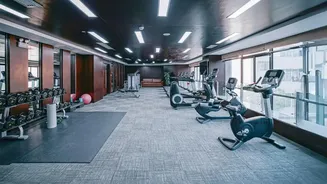
Stepping into a cool, air-conditioned gym feels like an escape from the monsoon's oppressive humidity. However, the air inside is not entirely dry. High humidity in the atmosphere means the air entering the gym's cooling system is still moisture-laden.
This environment creates a unique problem for your body during a workout. Sweat is your body's primary cooling mechanism, but it only works when it evaporates from your skin. When the air is already saturated with moisture, this evaporation process slows down dramatically. As a result, your body struggles to cool itself effectively, causing your core temperature to rise and forcing your system to produce even more sweat to compensate. This leads to continuous fluid loss without the efficient cooling benefit you'd get in drier conditions.
Why You Sweat More Than You Realise
During the monsoon, even a moderate workout can cause you to lose more fluids and essential minerals than you would in dry heat. Because the sweat doesn't evaporate quickly, it drips off your body, providing minimal cooling and tricking you into thinking you aren't losing that much fluid. Many people report feeling less thirsty in humid weather, which further increases the risk of dehydration. This excessive, inefficient sweating drains your body of not just water, but also critical electrolytes. The two most important minerals lost through sweat are sodium and magnesium, both of which are vital for athletic performance and overall health.
The Crucial Role of Sodium and Magnesium
Electrolytes are minerals that carry an electric charge and are essential for numerous bodily functions. Sodium is the primary electrolyte lost in sweat and is crucial for maintaining fluid balance, nerve function, and muscle contractions. When sodium levels drop, your body struggles to retain the water you drink, which can lead to dehydration even if you're consuming plenty of fluids. Magnesium, often called the recovery mineral, plays a role in over 300 bodily processes, including energy production, muscle relaxation, and nerve signal transmission. It works with sodium and potassium to regulate muscle function and helps prevent the fatigue and cramps that are common signs of an electrolyte imbalance.
Signs of an Electrolyte Imbalance
Ignoring electrolyte loss can significantly impact your workout and well-being. The initial signs are often mistaken for general tiredness from the humid weather. Common symptoms of an electrolyte imbalance include persistent muscle cramps or spasms, unusual fatigue, dizziness, headaches, and nausea. You might feel sluggish or find that your performance in the gym has dropped unexpectedly. Paying attention to these signals is crucial. If you're experiencing these issues after your workouts, it’s a strong indicator that simply drinking plain water isn't enough to rehydrate your body effectively.
Smart Hydration: What to Drink
For workouts lasting longer than an hour or for those who sweat heavily, incorporating an electrolyte drink is recommended. While commercial sports drinks are an option, it's wise to check the label for lower sugar content to avoid unnecessary calories. The primary goal is to replenish sodium and magnesium. However, you don't need to rely solely on store-bought products. Creating your own electrolyte drink at home is simple and effective. A homemade solution allows you to control the ingredients and avoid artificial additives.
Easy DIY Electrolyte Drink Recipes
You can easily whip up a natural and hydrating drink with a few basic kitchen ingredients. For a simple and effective mix, combine about two cups of water with one cup of coconut water, which is a natural source of potassium. Add a quarter teaspoon of regular salt (for sodium) and a squeeze of fresh lemon or lime juice for flavour. A small amount of honey or jaggery can be added for some quick energy if needed. This simple concoction helps replenish the key minerals lost through sweat, aids in better water absorption, and keeps your muscles functioning smoothly during your monsoon workouts.