




More Than Just a Pretty View
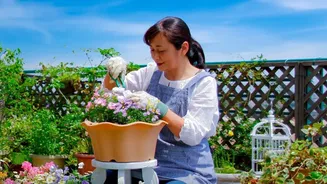
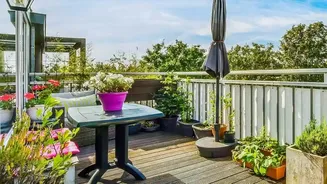
The rise of balcony gardening is driven by a desire for more than just aesthetics. For many urban residents, it's a powerful tool for wellness and a way to reconnect with nature. The pandemic, in particular, highlighted the need for green, open spaces
at home, turning balconies into havens for meditation, yoga, or a simple morning coffee surrounded by plants. Beyond mental peace, there is a growing awareness around food quality. Concerns about pesticide use and rising grocery costs have motivated families to grow their own produce. A few pots can yield a surprising amount of fresh, chemical-free herbs and vegetables, providing both flavour and food security. These small-scale gardens also offer ecological benefits, helping to reduce the urban heat island effect, improve local air quality, and provide crucial pit stops for pollinators like bees and butterflies in concrete jungles.
Your First Steps to a Green Oasis
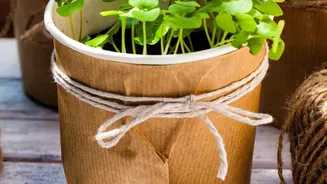
Starting a balcony garden is simpler than it seems. The first step is to observe your space. Note how many hours of direct sunlight your balcony receives, as this will determine what you can grow. Most vegetables and flowers need at least five to six hours of sun, making south or west-facing balconies ideal. If your space is shadier, you can still succeed with plants like mint, spinach, and most ferns. Next, think about containers. You don’t need expensive pots; grow bags, old buckets, and recycled plastic containers work wonderfully, as long as they have drainage holes to prevent waterlogging. For small balconies, using vertical space is key. Wall-mounted shelves, railing planters, and hanging baskets can dramatically increase your growing area without cluttering the floor.
Choosing Your Balcony Companions
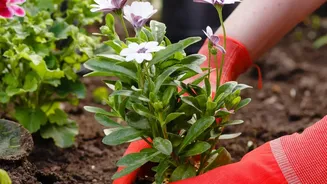
For beginners, it's best to start with low-maintenance plants. Herbs are a fantastic choice because they grow easily in small pots and are used frequently in Indian cooking. Classics like tulsi (holy basil), mint (pudina), coriander (dhania), and curry leaves are hardy and rewarding. When it comes to vegetables, cherry tomatoes, chillies, spinach, and brinjal are known to thrive in containers with adequate sunlight. Leafy greens like spinach and fenugreek (methi) grow quickly and can be harvested multiple times from a single sowing. If you're looking to add a splash of colour, marigolds, hibiscus, and petunias are vibrant, easy-to-care-for flowers that are well-suited to Indian climates. Marigolds have the added benefit of naturally deterring pests.
Nurturing Your Garden and Navigating Hurdles
The heart of a successful garden is its soil. A good quality potting mix, which you can buy or make yourself, is crucial. A common homemade recipe involves mixing garden soil, compost or vermicompost, and cocopeat. This blend ensures the soil is nutritious, light, and well-draining. Watering is another critical factor; the goal is to keep the soil moist but not soggy. It's often best to water when the top inch of soil feels dry. One of the main challenges for balcony gardeners is pest control. To keep your edible plants safe, avoid chemical pesticides and opt for organic solutions like a simple neem oil spray. Limited space and sunlight are other common constraints, but can be managed with clever vertical arrangements and by choosing shade-tolerant plants where necessary.