





The Shadow on the Slopes
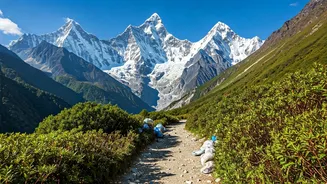
For years, the soaring popularity of trekking in the Indian Himalayas brought an unwelcome side effect. With increasing footfalls on popular trails in states like Himachal Pradesh and Uttarakhand, a crisis of waste began to unfold. [14, 24] Trekkers and tourists,
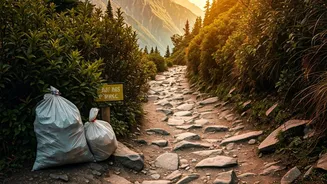
drawn by the promise of untouched nature, were inadvertently leaving behind a trail of plastic bottles, food wrappers, and other non-biodegradable trash. Studies have highlighted the scale of the problem, with waste generation in some sensitive tourist areas nearing that of metropolitan cities. [6] This unmanaged waste not only mars the breathtaking landscapes but also pollutes vital water sources, degrades soil, and poses a grave threat to the fragile alpine ecosystem and its unique wildlife. [9, 14]
A New Generation of Warriors
Just as the problem reached a critical point, a new kind of movement began to take root. Spearheaded by non-profit organisations like Healing Himalayas Foundation and Waste Warriors, a wave of environmental consciousness has swept through the trekking community. [4, 7, 11] Founded in 2016, Healing Himalayas started with the simple act of a solo cleaning drive and has since grown into a collective force, removing over 1,600 tonnes of waste through more than 1,000 clean-up drives. [4, 16] Similarly, Waste Warriors, active since 2012, has focused on creating long-term waste management solutions in collaboration with local governments and communities in tourist-heavy areas. [7, 11] These groups are not just cleaning the mountains; they are championing a new philosophy of responsible tourism.
Pack In, Pack Out, and More
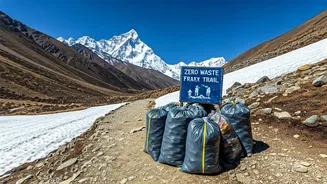
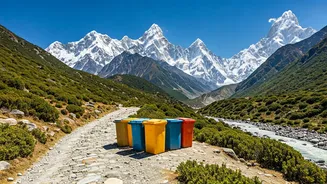
The core principle of these zero-waste drives is simple yet powerful: 'Leave No Trace'. [8] Trekkers are educated and encouraged to follow a 'pack in, pack out' policy, meaning everything they carry into the mountains must be brought back with them. [28] Many initiatives go a step further, encouraging volunteers to collect any additional waste they find along the trails. Recently, a "Carry Me Back" campaign was launched at Kedarnath, urging pilgrims to bring waste back down from the shrine. [26] Organisations provide waste bags and set up segregation and collection points at base camps. The collected waste is then transported to Material Recovery Facilities (MRFs), several of which have been established in remote regions by groups like Healing Himalayas, ensuring the waste is properly processed and recycled rather than being dumped or burned. [4, 9]
More Than Just a Clean-Up
The impact of these drives extends far beyond the trekking trails. A crucial element of their success is the deep involvement of local communities. These initiatives create green livelihoods by employing locals in waste collection, segregation, and management, providing a vital source of income. [4, 11] By establishing decentralised waste management systems in villages that previously had none, they empower communities to take ownership of their environment. [9, 11] This collaborative approach also involves educational outreach to schools, businesses, and tourists, fostering a widespread culture of environmental stewardship and turning what was once a pollution problem into an economic and social opportunity for local residents. [4, 7]
Pristine in Progress
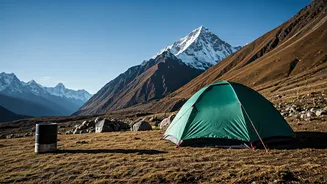
While the headline's claim of 'pristine' camps may be an ideal, the progress is undeniable. The tonnes of garbage removed from iconic trails around Kheerganga, Prashar Lake, and Corbett Tiger Reserve are a testament to the tangible impact of these drives. [4, 11] Success is measured not just in kilograms of collected waste, but in cleaner campsites, clearer streams, and a visible shift in the mindset of both trekkers and the tourism industry. The work is challenging and far from over, as highlighted by waste audits that continue to find significant plastic pollution. [30] However, the zero-waste movement has proven that a community-led, systemic approach can reverse years of environmental damage and set a new standard for sustainable tourism in India's most cherished landscapes. [9]