





The Jewel of Monsoon: Jamun
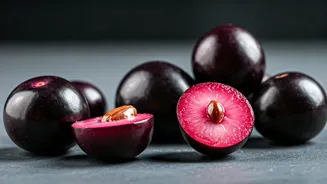
Dark, purplish, and bursting with a unique sweet-tart flavour, Jamun (or Indian Blackberry) is the undisputed star of the monsoon season. This fruit is more than just a seasonal delight; it's a powerhouse of nutrients. Traditionally used in Ayurvedic
medicine, Jamun is celebrated for its ability to help manage blood sugar levels. It's packed with Vitamin C and iron, which are essential for boosting immunity and increasing haemoglobin count, making it particularly beneficial during a season known for coughs and colds. The antioxidants present, like anthocyanins, help protect the body's cells from damage and support heart health by regulating blood pressure. Enjoy them fresh with a sprinkle of salt, or blend them into a vibrant smoothie.
The Street-Side Staple: Corn (Bhutta)
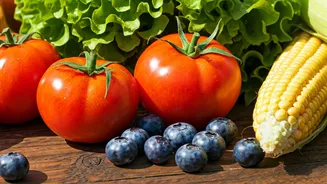
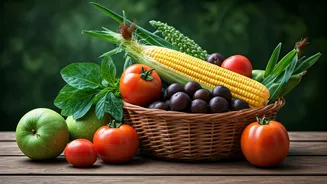
The aroma of roasted corn, or 'bhutta', is synonymous with monsoon evenings in India. Whether you prefer it roasted over charcoal and slathered with lemon and spices or boiled and sweet, corn is a comforting and healthy snack. It's a great source of energy, thanks to its complex carbohydrates, and is rich in dietary fibre, which aids digestion and helps prevent common monsoon-related stomach issues. Corn also contains essential nutrients like Vitamin B, magnesium, and potassium. Furthermore, it provides antioxidants such as lutein and zeaxanthin, which are known to be beneficial for eye health. It’s a versatile grain that can be added to salads, soups, or enjoyed on its own as a perfect rainy-day treat.
The Fuzzy Delight: Peaches and Plums
As the monsoon sets in, the hills of North India offer up juicy and fragrant peaches (Aadu) and plums (Aloo Bukhara). While their peak season starts a little earlier, July is a fantastic time to enjoy these stone fruits. Peaches are rich in vitamins A and C, which are great for skin health and boosting the immune system. They are also a good source of fibre. Plums are known for their antioxidant properties and can aid in digestion. Their sweet and tangy flavour makes them a refreshing snack on a humid day. You can eat them as is, grill them to bring out their sweetness, or chop them into a fresh salsa.
The Cheerful Treat: Cherries
Though their season is brief, fresh cherries make a delightful appearance in early July, especially from the cooler regions of the country. These small, sweet fruits are packed with antioxidants and anti-inflammatory compounds. They are also a natural source of melatonin, which can help regulate sleep cycles. Cherries are a good source of Vitamin C and fibre. Enjoy them fresh as a snack to get their full nutritional benefit. Their vibrant colour and sweet taste make them a favourite among both kids and adults, but be sure to grab them as soon as you see them in the market, as their season doesn't last long.
The Gourd Family: Lauki and Turai
The rainy season brings a variety of gourds to the forefront, with Bottle Gourd (Lauki) and Ridge Gourd (Turai) being particularly prominent. These vegetables are staples in Indian households during the monsoon for good reason. They are incredibly hydrating, low in calories, and very easy to digest, which is ideal for a season when the digestive system can be sluggish. Lauki is known for its cooling properties and is rich in water content. Turai is packed with fibre and is a good source of Vitamin C and zinc. Both are extremely versatile and can be cooked into simple curries, stir-fries, or even used to make savoury pancakes and koftas.
The Power of Greens: Spinach and Fenugreek
While many leafy greens are best avoided during the monsoon due to the risk of contamination, certain hardy greens like Spinach (Palak) and Fenugreek (Methi) are still available and beneficial if cleaned properly. These greens are loaded with iron, vitamins, and minerals that help bolster the immune system. Spinach is an excellent source of Vitamin K, Vitamin A, and iron. Methi leaves are known for their digestive benefits. It is crucial to wash these greens thoroughly in clean water and cook them well before consumption to avoid any water-borne illnesses. A simple Palak Dal or Aloo Methi can be both nutritious and comforting on a rainy day.