







What Exactly Is a Digital Second Brain?
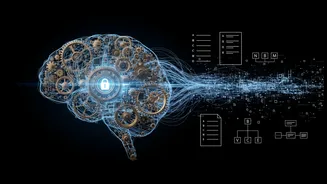
The term ‘digital second brain’ refers to a system for managing and organizing your digital life. Popularised by productivity expert Tiago Forte, it is an external, digital repository for the ideas, notes, and resources you encounter. Think of it not just
as a random collection of notes, but as a structured extension of your own mind. The goal is to offload the mental burden of remembering everything, freeing up your cognitive resources for more important tasks like creative thinking and problem-solving. The system revolves around a simple framework known as CODE: Capture, Organize, Distill, and Express. You capture anything that resonates with you, organize it for action, distill it down to its core essence, and express your newfound knowledge in your work and life.
Why Gen Z Is Embracing the System
As digital natives, Gen Z is uniquely positioned to adopt such systems. This generation entered a workforce defined by flexibility, remote work, and the constant need to upskill. They value work-life balance immensely and are more likely to pursue side hustles or passion projects alongside their primary careers. A digital second brain provides the perfect infrastructure for this multifaceted lifestyle. It allows them to seamlessly switch between contexts—from a work project to a personal budget, from career development resources to travel plans—without losing track of important information. By externalizing this data, they reduce the mental clutter and stress that comes from trying to juggle multiple priorities, which is a significant concern for this generation.
From Career Ambitions to Personal Projects
In practice, a second brain becomes a powerful ally for career growth. A Gen Z professional might use it to save insightful articles about their industry, track networking contacts, take notes on online courses, and outline their five-year career plan. When a performance review or a new job opportunity comes up, all the relevant information is organized and easily accessible, not scattered across random documents and bookmarks. The same system supports their personal goals. For example, Forte’s popular PARA method organises information into four simple categories: Projects (short-term efforts), Areas (long-term responsibilities), Resources (topics of interest), and Archives (completed or inactive items). This structure makes it easy to manage everything from planning a friend's wedding (a Project) to maintaining their health (an Area) or learning a new language (a Resource).
The Tools of the Trade
While the system is more important than the tool, a variety of powerful applications have become popular for building a second brain. Apps like Notion, Evernote, Obsidian, and Roam Research are frequently mentioned. These platforms allow users to not only store notes but also to link them together, creating a web of interconnected knowledge. Notion is known for its database features and flexibility, making it great for project management. Obsidian, on the other hand, is favoured by those who prefer to keep their data stored locally and value its powerful note-linking capabilities. The recent integration of AI into many of these tools is making them even more powerful, with features that can automatically summarize, tag, and find information for you.
Getting Started Without the Overwhelm
The idea of building an entire second brain from scratch can seem daunting. Experts advise starting small. You don't need to document your entire life overnight. Begin by capturing things that genuinely interest you. It could be a quote from a book, a link to an article, or a random idea that pops into your head. The key is to make it a consistent habit. Choose one tool to start with and focus on the 'Capture' part of the process. Once you have a small collection of notes, you can begin to organize them into simple categories. The system should be tailored to you and reduce friction, not create it. The most effective second brain is the one you actually use.