


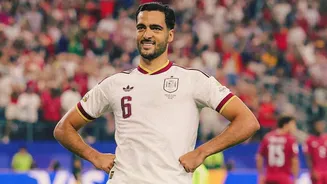


The Spanish Defensive Fortress
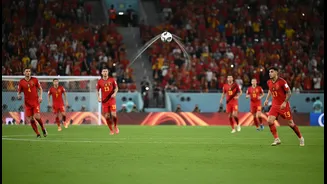
Spain have been a tactical marvel at this tournament. Under coach Luis de la Fuente, they have evolved from a passive possession side into a dynamic, vertical team that uses the ball with purpose. They press high, control the midfield with Rodri and Pedri,
and have yet to concede a single goal, with goalkeeper Unai Simón setting a new tournament record. Their system is designed to dominate the rhythm of the game, forcing opponents into long defensive spells while using pacy wingers like Lamine Yamal and Nico Williams to stretch the play. While their central defenders are technically gifted, the system relies on preventing attacks through midfield superiority, which can be vulnerable to direct, physical challenges.
Lukaku: The Super-Sub Becomes The Key
Romelu Lukaku entered this World Cup with questions over his fitness, starting the tournament as an impact substitute. He has since turned that role into a historic one, scoring in three consecutive matches off the bench to fire Belgium into the quarter-finals. The 33-year-old has embraced his role, using his experience and physical presence to change games in the second half. Against Spain, whether he starts or is introduced later, his primary function will be clear: to provide a direct, physical counterpoint to Spain's technical defenders. Charles De Ketelaere has often started as a false nine, but Lukaku offers a completely different, and perhaps more necessary, threat for this specific opponent.
The Physical Mismatch
Belgium's most obvious path to goal is to exploit the physical mismatch Lukaku presents. Spain's likely centre-back pairing, while adept with the ball, does not possess the raw power to handle a striker of Lukaku's profile in one-on-one duels. His ability to hold up the ball, shield it from defenders, and bring teammates into play will be crucial. This allows Belgium to bypass Spain's intense midfield press. A direct pass into Lukaku can instantly relieve pressure and turn defence into attack, forcing the Spanish backline to defend facing their own goal—an uncomfortable position for a team that prides itself on proactive, high-line defending.
Creating Space for De Bruyne and Doku
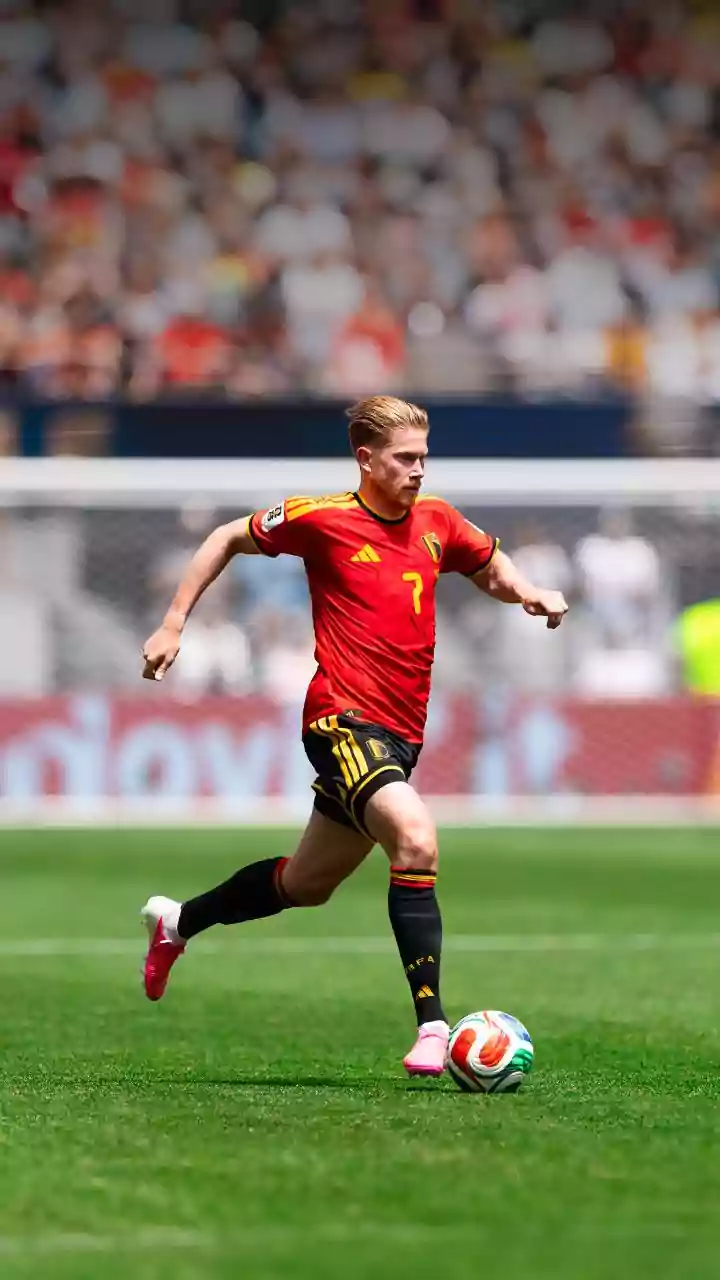
Lukaku's impact isn't just about what he does with the ball; it's about the space he creates for others. His presence alone will occupy Spain's central defenders, demanding their constant attention. This gravitational pull can open up the vital half-spaces where Belgium's true creators, Kevin De Bruyne and Jérémy Doku, thrive. If De Bruyne can receive the ball in these pockets between Spain's midfield and defence, he has the vision to unlock their organised structure with a single pass. Similarly, Doku's electrifying pace on the wing becomes even more dangerous if Lukaku is pinning defenders centrally, preventing them from shifting across to double-team the winger.
The Counter-Attack and Set-Piece Threat
Spain's high defensive line and possession-heavy style naturally leave space to be exploited on the counter-attack. This is where Lukaku's role as an outlet is paramount. Upon winning the ball, Belgium's most effective strategy will be a quick, direct pass into their number nine. His strength allows him to hold off defenders while waiting for support, and his surprising pace allows him to run the channels. Furthermore, in a game that is expected to be tight, set-pieces could be the difference-maker. Lukaku's aerial dominance in the opposition penalty box gives Belgium a significant advantage on corners and free-kicks, a straightforward weapon against a Spanish side that may not be accustomed to such a direct aerial bombardment.