
A Blast of Chemical Evidence
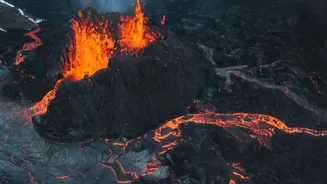
The story begins not with ice, but with fire. When a powerful volcano erupts, it doesn't just spew lava and ash. It also blasts colossal amounts of gases into the atmosphere. Among the most important for our story is sulphur dioxide (SO2). For a volcano's
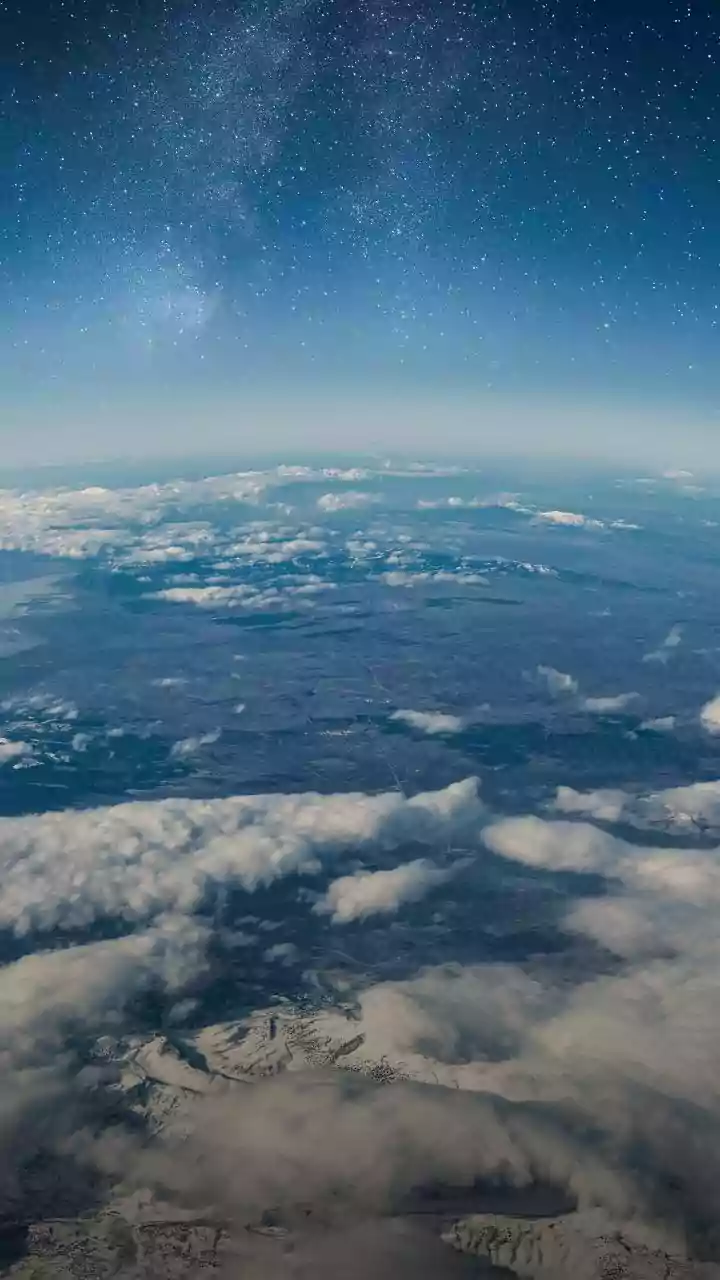
signature to be recorded globally, the eruption must be immense—powerful enough to punch this plume of gas straight through the troposphere, the layer of air where our weather happens, and into the calm, stable stratosphere above.
A Journey Through the Stratosphere
Once in the stratosphere, the sulphur dioxide gas embarks on a chemical transformation. Hit by sunlight and reacting with other atmospheric molecules like ozone and water vapour, the SO2 gas oxidises to form tiny droplets or particles of sulphuric acid and sulphate salts. These microscopic particles are known as sulphate aerosols. Because they are so small and light, they don't fall back to Earth immediately. Instead, they can remain suspended in the stratosphere for one to three years, forming a thin, planet-encircling haze.
A Slow Descent to Earth
High-altitude stratospheric winds are incredibly efficient at spreading these aerosols around the world. Whether an eruption happens in Indonesia or Iceland, its chemical signature can eventually reach both the North and South Poles. Over time, gravity and atmospheric circulation patterns slowly pull the sulphate aerosols down into the lower atmosphere. Here, they are caught up in weather systems and eventually fall to the ground as part of rain or snow. This process is known as deposition.
Trapped in a Frozen Time Capsule
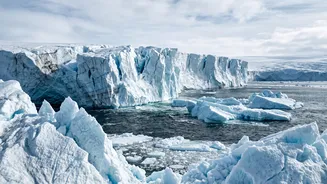
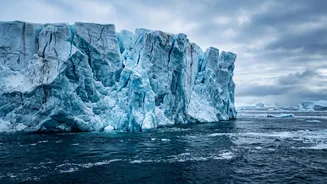
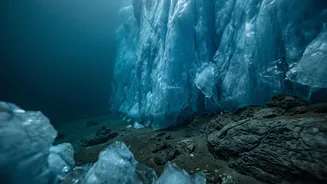
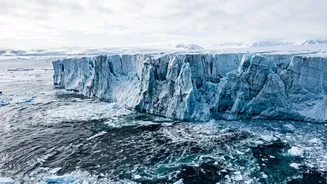
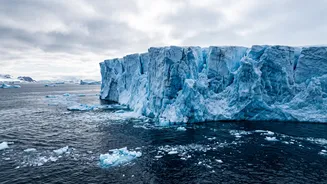
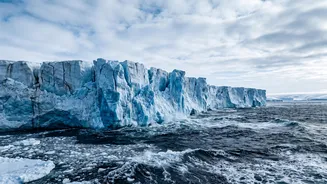
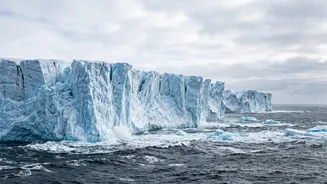
When these sulphate-laden snowflakes fall over the massive ice sheets of Greenland and Antarctica, they add a new layer to a continuously growing record. Each year, new snow falls, burying the previous year's layer. The weight of the accumulating snow compresses the deeper layers into dense ice. The sulphate particles from a long-ago eruption become trapped, forming a distinct chemical layer within the ice sheet. This layer is a permanent, datable marker—a chemical fingerprint that says, 'A major volcano erupted this year'.
Reading the Icy Archives
To read this frozen history, scientists travel to the poles and use specialised drills to extract long cylinders of ice called ice cores. These cores can be several kilometres long, representing hundreds of thousands of years of accumulated snowfall. Back in the lab, these cores are meticulously analysed, layer by layer. Scientists use sensitive instruments to measure the electrical conductivity and chemical composition of the ice. A sudden, dramatic spike in sulphate concentration is the tell-tale sign of a past volcanic eruption. By counting the annual layers down from the surface, they can pinpoint the exact year the eruption occurred.
Why These Markers Matter
This incredible natural archive does more than just list old volcanoes. These sulphate aerosols reflect sunlight back into space, causing a temporary global cooling effect. By correlating sulphate spikes in ice cores with climate data from other sources like tree rings, scientists can build detailed models of how the climate system responds to major volcanic events. This helps us understand natural climate variability and improve our predictions for the future. It even allows us to verify and date historical accounts of 'mystery clouds' or unusually cold years, linking human history with the planet's powerful geological cycles.