


Why Choose Jaggery (Gur)?
Before the era of pristine white sugar cubes, the quintessential sweetener in Indian kitchens was jaggery, or 'gur'. Made from unrefined sugarcane juice or palm sap, it retains a wealth of minerals like iron, magnesium, and potassium that are stripped
away during the refining process for white sugar. While it is still a sugar and should be enjoyed in moderation, its complex carbohydrate structure means it releases energy more slowly, avoiding the sharp spikes associated with refined sugar. More importantly, its deep, caramel-like, and sometimes smoky flavour is the authentic taste behind many of our most cherished traditional sweets. Using organic jaggery ensures you are getting a purer product, free from chemical clarificants, bringing you closer to the way these sacred offerings were originally made.
1. Sakkarai Pongal (Sweet Rice Pongal)
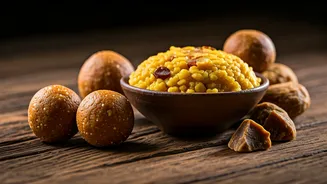
A staple prasad in South Indian temples, especially during the harvest festival of Pongal, this comforting dish is a beautiful blend of newly harvested rice, moong dal, ghee, and a generous amount of jaggery. The jaggery is what gives Sakkarai Pongal its characteristic dark golden-brown colour and rich, molasses-like flavour. To make it, cook rice and moong dal until mushy. In a separate pan, melt powdered or grated jaggery with a little water to create a thick syrup. Strain this syrup to remove any impurities and add it to the cooked rice mixture. Finish with a lavish tempering of cashews and raisins fried in ghee, along with a pinch of camphor (pacha karpooram) and cardamom for that authentic temple fragrance.
2. Rava Ladoo with a Jaggery Twist
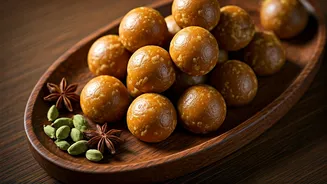
Rava Ladoos are beloved for their crumbly texture and quick preparation. While traditionally made with sugar, substituting it with jaggery powder results in a softer, chewier ladoo with a more complex, earthy sweetness. Lightly roast semolina (rava) in ghee until fragrant. In a pan, mix jaggery powder with a few tablespoons of water and heat until it forms a bubbly, thread-like consistency. Quickly pour this syrup over the roasted rava, add chopped nuts and cardamom powder, and mix well. While the mixture is still warm, grease your palms with ghee and roll it into small, round ladoos. They not only taste wonderful but also have a beautiful, rustic golden hue.
3. Ukadiche Modak (Steamed Modaks)
No Ganesh Chaturthi celebration is complete without these delicate, steamed rice-flour dumplings. The soul of the Ukadiche Modak lies in its sweet filling, which is traditionally a fragrant mixture of fresh grated coconut and jaggery. The combination is a match made in heaven. To prepare the filling, cook the coconut and grated jaggery together in a pan over low heat until the jaggery melts and the mixture thickens and becomes sticky. Flavour it with cardamom and nutmeg. This sweet, gooey filling is then encased in a soft, pliable rice flour dough and pleated into its iconic shape before being steamed. The jaggery keeps the filling moist and provides a perfect counterbalance to the plainness of the rice casing.
4. Panakam (Divine Jaggery Cooler)
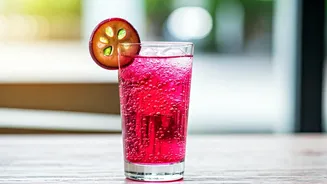
Perhaps the simplest temple offering, Panakam is a divine, thirst-quenching drink served during Ram Navami and on hot summer days in temples across the south. It's a testament to the fact that sacred food doesn't need to be complicated. It is essentially a no-cook recipe. Simply dissolve powdered or liquid jaggery in water. Strain the liquid to ensure it's clean, and then flavour it with a delightful mix of dry ginger powder (sonth), crushed cardamom, and a pinch of edible camphor. Some variations also include a squeeze of lime juice and a pinch of black pepper, which aids digestion. This naturally energising drink is incredibly refreshing and helps balance electrolytes.
Tips for Success with Jaggery
Cooking with jaggery is simple, but a few tips can ensure great results. First, always choose a dark, organic jaggery for the most flavour and nutrients. Second, when a recipe calls for sugar, you can generally substitute it with an equal amount of grated or powdered jaggery, though you might need to slightly reduce the liquid in the recipe. Third, to avoid impurities, it's a good practice to melt the jaggery with a little water and strain it before adding it to your dish. This step is crucial for achieving a smooth texture in sweets like Pongal or payasam.