






The End of the Annual Holiday
For many young Indians, the concept of saving up for one big, meticulously planned annual vacation is a thing of the past. Recent reports show a dramatic shift towards shorter, more frequent, and often spontaneous trips. According to a 2026 Airbnb report,
seven in ten Gen Z travellers in India would rather take three smaller trips than one long holiday. This generation has integrated travel into their lifestyle, treating it less like a rare event and more like a regular habit for unwinding and self-discovery. Trips lasting less than a week are becoming the new norm, with getaways of two to six nights seeing the fastest growth. This change is driven by a desire for flexibility and a need to escape the burnout of daily routines, with an open weekend or a friend's message often being enough to spark a new journey.
Experiences Over Eyefuls
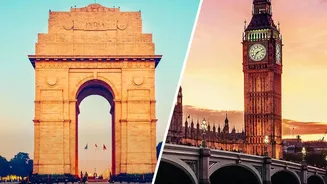
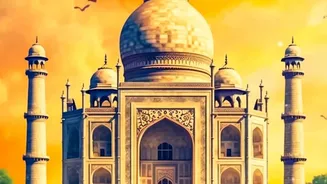
The focus is no longer just on seeing a famous monument but on what you do when you get there. For this generation, travel is an act of self-expression. Data shows that 95% of young Indian travellers want their trips to feel personal and unique, not pre-packaged. They are increasingly planning journeys around specific activities rather than just destinations. This could mean attending a music festival, exploring local culture, or participating in outdoor adventures. In fact, 80% state that small, personal moments on a trip matter more to them than visiting famous attractions. This has led to the rise of what the industry calls 'experiential travel'—a market projected to be worth billions, driven almost entirely by this younger demographic seeking immersive and meaningful activities.
The Rise of the 'Anti-Itinerary'
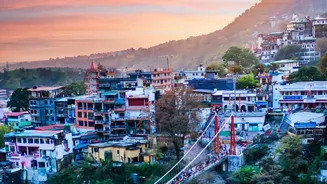
If millennials perfected the art of the packed itinerary, Gen Z is championing the 'anti-itinerary'. Spontaneity is a key element, with many deliberately leaving their schedules open to allow for rest and unexpected discoveries. A recent study found that two in three Gen Z travellers have taken a trip with the express purpose of doing nothing at all—simply to rest and slow down. This desire for authenticity also means actively seeking out places that haven't gone viral online. While they use technology heavily for planning and booking, many are resisting the algorithm's pull towards the same crowded spots. This has given rise to travel in destinations like the Tirthan Valley in Himachal, Ziro in Arunachal Pradesh, and the quiet beaches of Gokarna in Karnataka, which offer tranquility over tourist traffic.
Connection and Community Matter Most
For many young travellers, who you travel with is now more important than where you go. According to one report, three in four Gen Z travellers agree with this sentiment, prioritising shared experiences with friends or partners. This has a direct impact on accommodation choices. Instead of separate hotel rooms, more than half prefer to book a single shared home or villa where they can spend quality time together. The stay itself has become a central part of the travel experience, with some even choosing a destination based on a unique property they discovered online. This shift highlights a deep-seated need for connection, with trips designed to create lasting memories with a close-knit group.
Wellness and Spirituality on the Go
This generation is also travelling with a purpose that goes beyond simple leisure. Wellness is a major driver, with 93% of Gen Z stating that travel improves their mental wellbeing. Many plan trips specifically for relaxation and self-care, with a significant number looking for hotels with wellness offerings like yoga or spas. In a surprising trend, spiritual tourism is also surging among young Indians. Data shows that travellers under 35 now account for more than half of all journeys to India's spiritual destinations. This isn't necessarily about traditional religion, but rather a search for cultural connection, personal reflection, and authentic experiences that offer a break from a hyper-digital world.