



The Vanishing Gardens
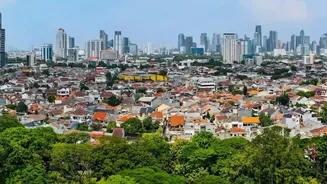
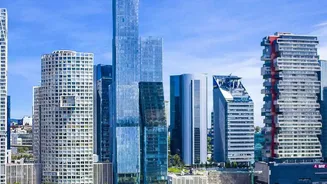
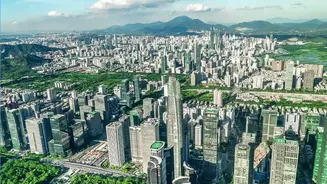
The statistics paint a stark picture of Bengaluru's transformation from a green haven to a concrete metropolis. In the early 1970s, vegetation covered over 68% of the city. By 2021, that number had plummeted to less than 3%, according to some estimates.
Over the last four decades, the city has witnessed a staggering 925% increase in paved surfaces like buildings and roads. This relentless urbanisation has come at a direct cost to the city’s natural assets. Data shows an alarming loss of vegetation and water bodies, with a sharp decline of 78% in green cover and 79% in water spread area over the same period. Recent data further highlights the crisis, with over 19,000 trees felled in the last three years alone to make way for public infrastructure projects. The number of lakes has also dwindled from over 260 in the 1960s to around 98, many of which are heavily polluted.
Development at What Cost?
The engine of this change is a development model that often views green spaces as obstacles rather than essential infrastructure. Major projects, from metro expansion and road widening to new housing layouts by bodies like the Bangalore Development Authority (BDA), frequently involve clearing trees and encroaching on lake buffer zones. While the BDA is undertaking a significant push for vertical growth with over 4,200 new flats planned, the broader development ethos still struggles to balance growth with environmental preservation. A recent, highly controversial amendment to the Karnataka Government Parks (Preservation) Act allows up to 5% of park land to be used for infrastructure projects, a move that citizen groups have vehemently protested. Activists argue that this legal change fundamentally undermines the purpose of preserving parks and makes it easier for the government to prioritise concrete projects over the city's ecological health.
More Than Just Pretty Trees
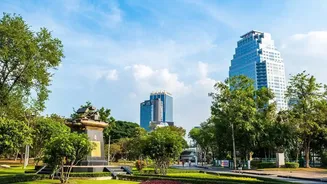
The disappearance of green spaces is not just an aesthetic loss; it's a direct threat to the city's liveability and resilience. Urban green cover provides critical ecosystem services. Parks and trees help combat the 'urban heat island' effect, where concrete-dense areas become significantly hotter than their surroundings. Studies have shown Bengaluru's parks can be over 2°C cooler than adjacent built-up areas. The city's famed lakes historically served as natural sponges, absorbing rainwater and preventing floods. With their degradation and the loss of connecting stormwater drains, the city now faces dual crises of water scarcity and increased flooding. This loss of natural infrastructure also impacts public health, as green spaces are vital for mental well-being, clean air, and recreational activity. The city currently has only about 2.2 square metres of open space per person, far below the 10-12 square metres recommended by the Ministry of Urban Development.
A Fork in the Road
Despite the grim trends, there is a growing push for a more sustainable path forward. Citizen activism is on the rise, with residents organising protests and community initiatives to protect and revitalise neighbourhood parks and lakes. Groups have rallied against the amendment to the Parks Act and are demanding greater transparency and public consultation in urban planning. Simultaneously, there are institutional efforts to embed environmental thinking into policy. The Bengaluru Climate Action and Resilience Plan (BCAP), launched in late 2023, is one such initiative. It aims to integrate climate-conscious strategies across sectors like transport, waste management, and urban planning. Proposals include creating 'blue-green' corridors that link water bodies and green spaces to buffer against climate shocks, and using technology to identify and develop new potential green areas. These initiatives represent a crucial alternative vision for a city that can grow without sacrificing its soul.