
More Than Just Dosa and Dahi
For generations, fermentation has been an integral part of Indian culinary traditions, a process passed down long before terms like 'probiotics' entered our vocabulary. It was a practical solution for preservation, enhancing flavour, and making food more
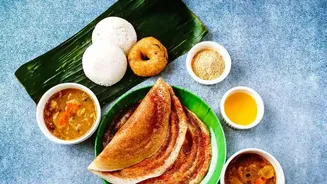
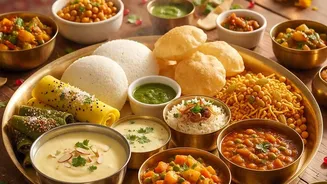
digestible. While most of India is familiar with staples like dahi (curd), dosa, and idli, a vast and diverse world of regional ferments has always existed. Now, thanks to a convergence of factors, these hyper-local techniques are gaining wider recognition and finding their way onto plates and into glasses far from their origins.
A Taste of Tradition Across India
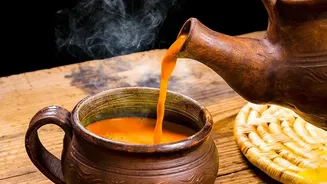
Across the country, unique fermentation methods have been perfected over centuries. In the North, the winter months bring 'kanji', a tangy, probiotic-rich drink traditionally made by fermenting black carrots or beetroot with mustard seeds. It's a seasonal tonic known for its digestive benefits. From the South comes 'ambali', a cooling porridge made from fermented ragi (finger millet) and buttermilk, celebrated for its hydrating and nutritional properties, especially in the summer. Meanwhile, in the Northeast and the Himalayan regions, 'gundruk' is a staple. Made by fermenting and sun-drying leafy greens like mustard or radish leaves, it creates a tangy, shelf-stable ingredient used in soups and pickles, providing vital nutrients through long winters.
The Gut Health Revolution
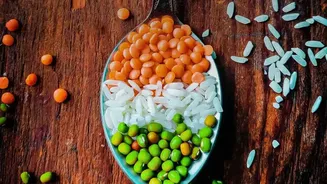
One of the biggest drivers of this trend is the growing national conversation around wellness, particularly gut health. Science now confirms what traditional wisdom has long practiced: fermented foods are powerhouses of beneficial microbes. These probiotics help balance gut flora, which can improve digestion, reduce issues like bloating, and strengthen the immune system. The fermentation process also breaks down complex compounds in food, making nutrients more available for the body to absorb. For example, fermenting ragi for ambali unlocks minerals like iron and zinc, and fermenting lentils and rice for dosa makes them easier on the stomach.
Chefs Lead the Culture Shift
India's top chefs and innovative restaurants have become champions of fermentation, moving it from the home kitchen to the world of fine dining. This isn't just about adding pickles to a plate; it's about deep-diving into tradition and using these techniques as a canvas for creativity. Chefs are exploring everything from miso pastes made with indigenous grains to vinegars infused with Indian spices. For example, chef Vanika Choudhary of the Mumbai restaurant Noon has a 'fermentation lab' with over 150 unique ferments, using foraged ingredients and native traditions like kanji as her inspiration. This culinary spotlight has reframed fermentation as something both nostalgic and sophisticated, encouraging diners to appreciate the complex flavours that only time and microbes can create.
A Return to Our Roots
Beyond the restaurant world, there's a grassroots movement of home cooks and health-conscious individuals rediscovering these traditional practices. The rise of kombucha and sourdough in urban India opened a door, making people more curious about the ferments that are part of their own heritage. In a way, the global wellness trend has encouraged a local rediscovery. Learning to make kanji at home or seeking out a packet of gundruk is becoming a way to connect with a culinary identity that is both authentic and scientifically sound. This isn't just about a food trend; it’s about reclaiming a piece of cultural and nutritional wisdom.