






The Slippery Science of Sweat
Every intense workout generates sweat. When combined with spilled water or cleaning solutions, this moisture can turn a standard gym floor into a low-friction hazard. Most gym flooring, from rubber mats to tiles, loses significant traction when wet. A
slip occurs when your foot can no longer grip the ground, and a sweaty gym is a prime environment for this to happen. This isn't just limited to the workout area; locker rooms, shower areas, and even the space around a water cooler are common zones for slip-and-fall accidents. The risk is amplified because you are often moving quickly, changing direction, or transitioning between exercises, leaving little room for error.
Fatigue, Footwork, and Falls
A tough workout doesn’t just tire your muscles; it fatigues your nervous system. As you become more exhausted, your coordination, reaction time, and balance control all diminish. Studies show that muscle fatigue leads to less precise movements and inconsistent step timing. Think of it like a boxer in the late rounds: the movements become sloppier and less controlled. This neurological fatigue is a critical factor in falls. You might be strong enough to lift the weight, but your ability to recover from a minor stumble is significantly impaired when you're tired, making a simple slip far more likely to result in a serious injury like a sprain, broken bone, or back injury.
Why Space is Your Safety Net
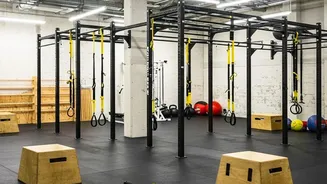
This is where recovery space becomes non-negotiable. Having adequate room between exercise stations acts as a crucial buffer. It gives you the physical space to regain your balance if you slip and prevents you from colliding with a heavy piece of equipment or another person. In busy commercial gyms, spacing that seems adequate during quiet periods can become dangerous during peak hours. Experts suggest a minimum clearance around most equipment, with some recommending at least three feet of walking space around each piece. For dynamic movements or free-weight areas, even more space is required. This isn't just about comfort; it's about creating a predictable environment where everyone can move safely, even when tired and sweaty.
Your Proactive Safety Plan
You can’t always control how crowded the gym is, but you can take steps to protect yourself. First, be mindful. Always be aware of the condition of the floor around you. If you see a spill or excessive sweat, notify staff. Carry and use a towel to wipe down not just the equipment, but also any sweat that drips onto the floor in your immediate area. Second, choose your workout spot wisely. If you're doing a high-intensity circuit, try to find a corner or area with less foot traffic. Third, wear appropriate footwear with good grip. And finally, be your own safety advocate. If equipment is placed too closely together, making you feel unsafe, it is worth mentioning to the gym's management. Their responsibility is to maintain a safe environment.