
The Psychology of Texture
Before we even register the colour or cut of a garment, our brain takes in its texture. The way fabric reflects or absorbs light, how it drapes, and how it feels to the touch all send powerful signals. Soft fabrics like cashmere and brushed cotton can
evoke feelings of comfort and approachability. Smooth, sleek materials like silk suggest elegance and confidence. In contrast, rugged textures such as raw linen, tweed, and denim can project a sense of durability and authenticity. Texture does more than just look good; it communicates a story and adds visual interest, transforming a simple outfit into something more dynamic and engaging. A monochromatic look, for instance, can be incredibly striking when it combines different textures, like a ribbed knit top with a smooth satin skirt.
Your Natural Texture Starter Kit
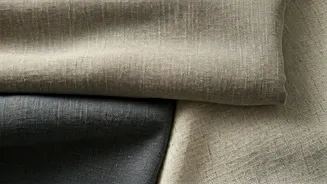
Building a wardrobe rich in texture doesn't require a complete overhaul. It starts with a few key natural fabrics that offer versatility and timeless appeal. Cotton is the ultimate foundation—soft, breathable, and perfect for everything from crisp shirts to basic tees. Linen, with its distinctively relaxed and slightly rumpled surface, is a must for warmer weather but can be layered for year-round wear. Its natural wrinkles are part of its charm, adding an effortless vibe. Wool is another essential, known for its ability to regulate temperature. Think beyond heavy winter coats; fine wool sweaters and even wool-blend blazers can be comfortable in transitional seasons. These core fabrics provide a fantastic base for creating thoughtful, multi-dimensional outfits.
The Art of Mixing and Matching
The real magic happens when you start combining textures. The key to a successful mix is balance. A great rule of thumb is to pair contrasting materials. For example, the ruggedness of denim jeans is beautifully offset by the softness of a cashmere sweater or the delicate nature of a silk blouse. A chunky wool cardigan paired with a smooth slip dress creates a look that is both cosy and chic. If you're new to mixing textures, start with a neutral colour palette. An all-ivory or all-black outfit becomes instantly more interesting when you combine a knit sweater, a silk camisole, and corduroy trousers. This allows the different surfaces to stand out without competing for attention.
Beyond the Obvious Choices
While cotton, linen, and wool are the workhorses of a textured wardrobe, don't be afraid to explore other options. Leather (or its vegan alternative) provides a sleek, structured element that pairs surprisingly well with softer fabrics like knits and even lace. Suede offers a softer, more muted take on leather that adds a touch of warmth and richness. Corduroy is another fantastic choice for adding texture, particularly in autumn and winter, with its velvety ridges creating visual depth. Even accessories offer a great way to experiment. A woven straw bag in the summer, a chunky knit scarf in the winter, or a silk scarf tied to your handbag can all introduce a new textural dimension to your look with minimal commitment.