






Which Carmakers Are Increasing Prices?
Two of India’s biggest automotive players, Tata Motors and Hyundai Motor India, have officially confirmed they will be increasing prices across their model ranges from September 1, 2026. Tata Motors has announced a hike of up to ₹25,000, which will apply
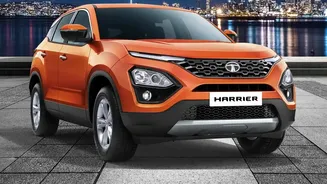
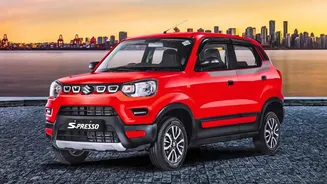
to its entire passenger vehicle portfolio, including both internal combustion engine (ICE) and electric vehicle (EV) models. This includes popular cars and SUVs like the Tiago, Punch, Nexon, Harrier, and Safari, as well as their electric counterparts. Similarly, Hyundai has stated it will implement a price increase of up to 1% across all its models. This is not an isolated event. These announcements follow a recent price hike by Maruti Suzuki in August 2026, indicating a broader industry trend of rising vehicle costs. More carmakers are expected to follow suit in the coming weeks as the festive season approaches.
Why Are Car Prices Going Up Again?
The primary reason cited by automakers is the relentless pressure from rising input costs and sustained inflation. This isn't a new issue, but a persistent challenge the industry has been grappling with. Key raw materials for vehicle manufacturing, such as steel, aluminium, and copper, have seen significant price increases. Beyond raw materials, companies are also dealing with higher operational expenses, including logistics and energy costs. Automakers state that while they have been absorbing a significant portion of these increased costs to protect customers, they are now compelled to pass on a part of the burden. Additionally, ongoing geopolitical uncertainties and their impact on global trade and energy markets have added another layer of cost pressure on the entire auto industry. This latest round of hikes is the third for both Tata Motors and Hyundai in 2026, highlighting the severity of these economic pressures.
How Much More Will You Have to Pay?
The exact impact on your wallet will depend on the specific brand, model, and variant you choose. Tata Motors has specified a maximum increase of ₹25,000. It is crucial to understand that this is the upper limit; the actual price rise for a specific model like a Tiago or a Punch could be considerably less. For Hyundai, the hike is capped at 1%. To put that in perspective, a car priced at ₹10 lakh could see its price go up by as much as ₹10,000, while a model costing ₹20 lakh might become dearer by up to ₹20,000. Manufacturers will release detailed, variant-wise price lists closer to September 1. These increases will add to the on-road price of vehicles, making the dream of a new car slightly more expensive for many prospective buyers.
The Buyer’s Dilemma: Buy Now or Wait?
With prices set to rise just as the festive season kicks off, many buyers are in a tough spot. Buying a car before the end of August could save you a significant amount of money, protecting you from the impending hike. Customers who book before September 1 may still be able to get their vehicle at the current prices, though this depends heavily on individual dealership policies and billing timelines. However, the festive season, which traditionally runs from October to December, is also when car companies roll out attractive discounts, special editions, and other benefits to boost sales. Waiting could mean access to these festive offers, which might offset the price hike to some extent. The decision boils down to your priorities. If securing a lower base price is your main goal, acting now is the logical choice. If you are willing to bet on potentially better festive deals or are interested in year-end clearance sales, waiting a month or two could be an option, albeit one that comes with the certainty of a higher sticker price.