
Goodbye to the Catalogue Look
There was a time when furnishing a home felt like following a strict set of rules. You bought the entire collection: the sofa, the matching armchairs, and the identical coffee and side tables. The result was cohesive, but often lacked soul, resembling
a page from a furniture catalogue rather than a space that reflected the people living in it. Today, homeowners, particularly millennials and Gen Z, are rejecting this 'one-size-fits-all' approach. They are seeking interiors that showcase their personal history, travels, and individual tastes, leading to a demand for more expressive and unique homes. This shift is less about following a trend and more about having the confidence to create a space that feels genuinely personal.
A Story in Every Corner
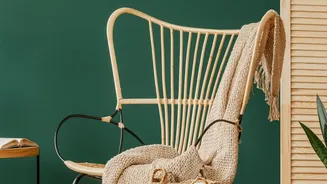
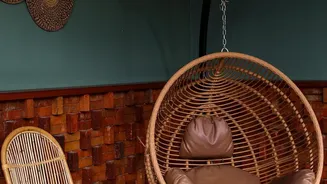
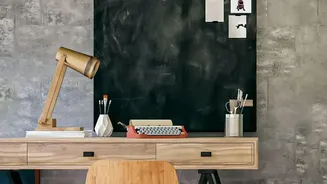
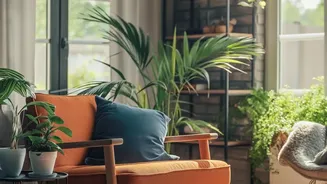
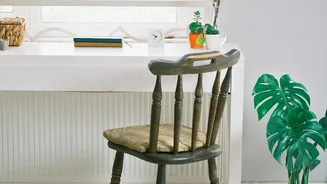
This new approach, often called 'eclectic' design, is about thoughtfully curating pieces from different styles and eras to create a harmonious whole. Imagine a sleek, modern sofa sharing space with a beautifully carved wooden chest inherited from a grandmother. Or a contemporary accent chair in a bold colour sitting next to a vintage sheesham or teak side table. Each piece has a reason for being there, telling a part of the family's story. It's about blending the relevance of modernism with the emotive value of heirlooms. This approach allows a home to feel layered and as though it has been assembled over a lifetime, rather than bought in a single shopping trip. The result is a home filled with character and personal meaning.
How to Master the Mix
While eclectic design celebrates freedom, it's not about chaos. Successful mixing and matching follows a few guiding principles to avoid the room looking like a storage unit. The key is to find a unifying element that ties the disparate pieces together. This could be a consistent colour palette, where you use neutral backdrops like beige or white to ground bolder pieces, or layer different shades of a single colour family. Another approach is to repeat a material, like wood or brass, throughout the space to create a sense of cohesion. Scale and proportion are also crucial; a large, ornate cabinet needs to be balanced with more minimalist items to give it room to breathe and avoid overwhelming the space. The popular '80/20 rule' suggests that 80% of your furniture can be modern, while 20% can be antique, creating a balanced contrast.
More Than Just Furniture
This trend extends well beyond large furniture. It’s about the entire composition of a room. India's rich heritage of craftsmanship provides a vast palette to draw from. Handwoven rugs, block-printed cushions, and embroidered fabrics can soften modern interiors and add a layer of warmth and cultural richness. Similarly, traditional art forms like Madhubani or Warli paintings can become stunning focal points against a clean, contemporary wall. Lighting also plays a key role; a traditional brass lamp or chandelier can be paired with modern, recessed lighting to create a layered and inviting atmosphere. Even small items, like a collection of handmade pottery or souvenirs from travels, contribute to a home's unique narrative.
A Sustainable and Soulful Choice
Embracing this mixed-and-matched style is not only aesthetically pleasing but also a more sustainable choice. Instead of discarding older furniture, this approach encourages restoring and reupholstering heirloom pieces. A 65-year-old chair from a mother-in-law or a cabinet made by a parent can be given a new lease on life, preserving family history and reducing waste. This practice of blending old and new honours the past while looking to the future, creating homes that are not just beautiful, but also mindful. It’s about building a space that can evolve with you, gaining character and meaning over time.