
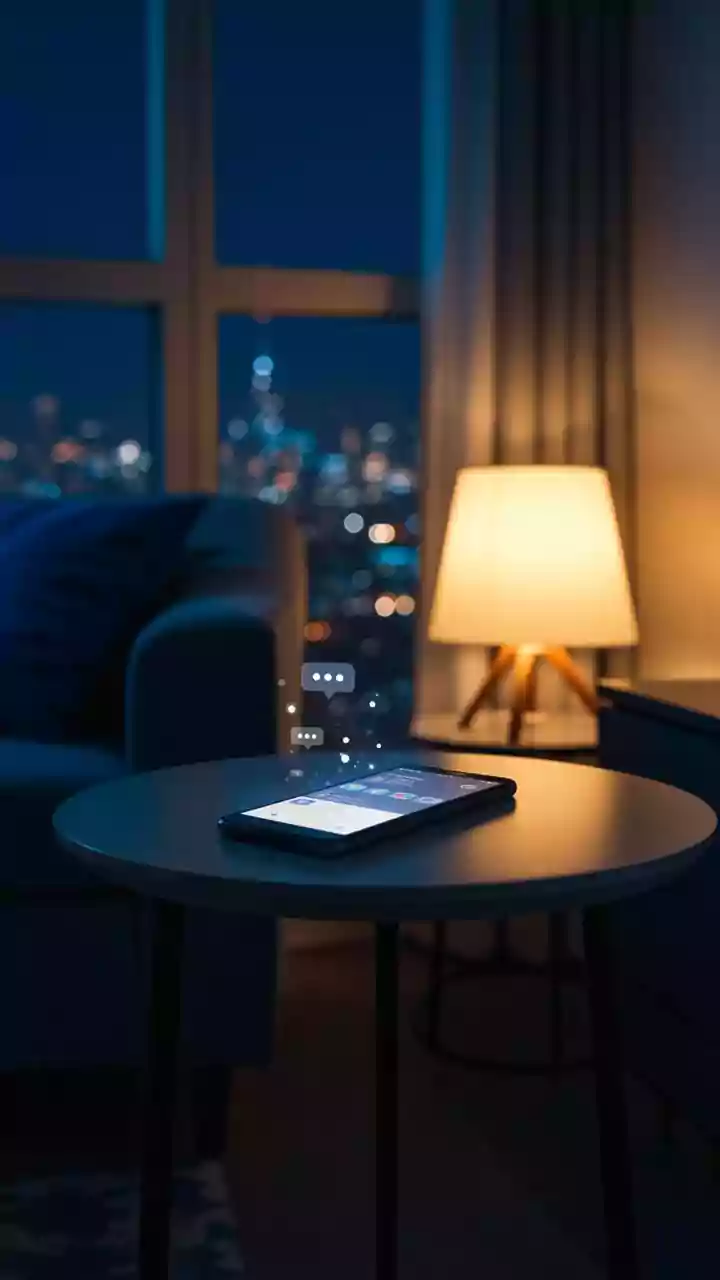




That final scroll through your phone in bed feels harmless, but it might be the very thing keeping you from a good night's sleep and causing daily eye discomfort. Here’s a look at the science and what you can do about it.
The Science of Rest vs. Blue Light
Our bodies have an internal 24-hour
clock called the circadian rhythm, which tells us when to feel sleepy and when to be alert. A key player in this cycle is melatonin, a hormone that signals it's time to wind down. However, the blue light emitted from our smartphones, tablets, and laptops is a powerful disruptor. This specific wavelength of light is particularly effective at tricking your brain into thinking it's still daytime. As a result, your brain suppresses melatonin production, delaying sleep and often reducing its quality. Studies have shown that evening exposure to blue light can shift your body clock, making it harder to fall asleep and leaving you feeling groggy the next day.
More Than Just Tired Eyes
The phrase 'protects eyesight' in the context of screens is mostly about combating digital eye strain, also known as computer vision syndrome. While current evidence doesn't conclusively prove that blue light from digital devices causes permanent eye damage, the discomfort it causes is very real. Symptoms often include dry, irritated eyes, headaches, blurred vision, and general fatigue. This happens for a couple of reasons. First, we tend to blink less when staring at screens, which leads to dryness. Second, our eyes are constantly working to focus on pixelated text and images, which can be more strenuous than reading from a printed page. Reducing screen time, especially in a dark room where the contrast is harsh, gives your eyes a much-needed break from this strain.
Why Your Mind Won't Switch Off
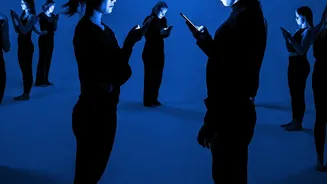
Beyond the biological effects of blue light, what you do on your screen matters. Engaging with stimulating content—whether it's a fast-paced video game, a stressful work email, or an emotional social media thread—keeps your brain on high alert. This cognitive and emotional arousal is the opposite of the calm, relaxed state needed to drift off to sleep. Even after you turn off the screen, your mind can continue to race, thinking about what you just saw or did. This mental engagement can delay sleep onset just as effectively as blue light can, creating a cycle of fatigue and restlessness.
Reclaiming Your Evening Wind_Down
Creating a screen_free buffer before bed is one of the most effective ways to improve your sleep and give your eyes a rest. The goal is to replace screen time with calming rituals. This doesn't have to be a drastic change. Start by setting a 'digital curfew'—committing to putting all devices away 30 to 60 minutes before you plan to sleep. Use this time for relaxing activities like reading a physical book, listening to calm music or a podcast, doing some gentle stretching, taking a warm bath, or journaling. The key is to find something you enjoy that helps signal to your body and mind that the day is over and it's time to rest.
Practical Steps for a Digital Detox
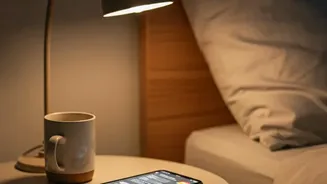
If completely unplugging feels unrealistic at first, there are smaller steps you can take. Many devices now have a 'night mode' or blue_light_filtering setting that shifts the screen to a warmer, less stimulating color palette in the evenings. While helpful, this doesn't eliminate the issue of mental stimulation. Another useful strategy is the 20_20_20 rule: for every 20 minutes you look at a screen, take a 20_second break to look at something 20 feet away. This can help reduce eye strain throughout the day, not just at night. Finally, consider charging your phone outside of the bedroom. This removes the temptation for that 'one last look' and prevents notifications from disturbing your sleep.