






The Habit That Changes Everything
Forget complicated recycling charts and expensive solar panels for a moment. The single most impactful and surprisingly easy habit you can adopt for a greener home is this: stop wasting food. It sounds almost too simple, but tackling food waste is a keystone
habit. It’s a small change that creates powerful ripple effects, transforming not just your bin, but your budget, your health, and your entire approach to consumption. While other green actions are important, reducing food waste addresses a staggering amount of environmental damage at its source, and it’s something you have control over every single day.
The Hidden Cost on Your Plate
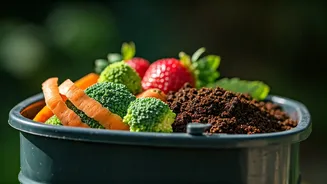
When we throw away food, we’re wasting more than just a meal. We’re wasting the water used to grow it, the fuel used to transport it, and the land it was farmed on. According to the UN Environment Programme (UNEP), households globally are responsible for the majority of food waste. In India, the numbers are particularly stark, with an estimated 50 kg of food wasted per person per year at the household level. When this food ends up in a landfill, it rots without oxygen and releases methane, a greenhouse gas far more potent than carbon dioxide. By simply using what we buy, we can directly reduce these emissions, conserve precious resources like water, and ease the strain on our agricultural systems. It’s an environmental win with no downside.
From Market to Masala: A New Mindset
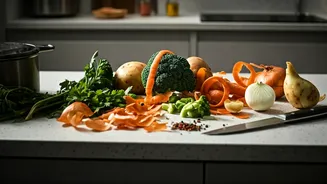
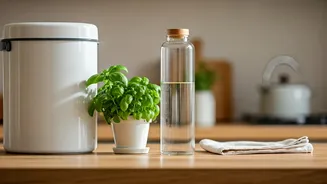
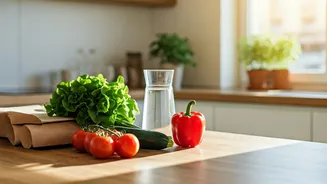
Adopting this habit doesn’t require a radical lifestyle overhaul. It just requires a shift in mindset, broken down into three simple stages. 1. Shop Smart: Before you go to the sabzi mandi or supermarket, take a quick inventory of your fridge and pantry. Make a list and stick to it. Resist the temptation of 'buy one, get one free' offers unless you are certain you will use the extra item. For fresh produce, buy smaller quantities more frequently rather than a large weekly stock that might spoil. 2. Store Intelligently: Learn how to properly store your groceries. Keep herbs like coriander and mint with their stems in a glass of water. Store onions and potatoes in a cool, dark place, but keep them separate as onions can cause potatoes to sprout. Use airtight containers for leftovers to keep them fresh in the fridge for longer. 3. Cook Creatively: Embrace the art of using everything. Turn leftover rice into a delicious fried rice or lemon rice for the next day’s lunch. Use vegetable peels and ends to make a flavourful stock for soups and curries. That slightly wilted spinach can be blended into a dal or a green chutney. It’s not about restriction; it’s about resourceful, flavourful cooking.
The Unexpected Perks of Wasting Less
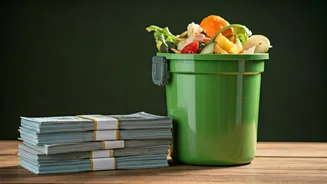
The benefits of this one habit extend far beyond the environment. The most immediate perk is financial. When you use all the food you buy, your grocery bills naturally go down. You’re literally stopping yourself from throwing money in the bin. Many people find they save a significant amount each month, which can be put towards other goals. Furthermore, this habit encourages you to eat fresher, more whole foods. You become more connected to your ingredients, more mindful during your meals, and more creative in the kitchen. It turns a daily chore into a rewarding practice, fostering a deeper appreciation for the food that nourishes you and your family.