




Beyond the Beaten Path
For years, the checklist for a nature getaway in India felt predictable. The misty hills of Munnar, the pine-scented air of Shimla, the tiger reserves of Corbett. While these destinations remain iconic, a new sensibility is taking root among travellers.
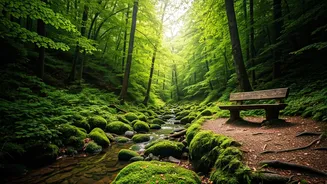
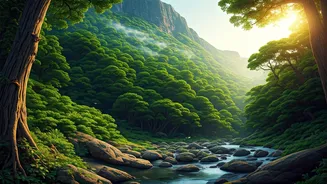
It’s a move away from frantic sightseeing and towards quiet immersion. People are searching for places where the silence is broken only by bird calls, where the landscape feels untamed, and where wildlife isn't just a distant possibility but an integral part of the environment. This search has led them to a gem nestled high in the Western Ghats of Tamil Nadu: Valparai. It isn't new, but its appreciation by a wider audience of serious nature lovers is. It’s the answer to the question: where can we go to truly connect with nature, away from the tourist trail?
Welcome to the 'Seventh Heaven'
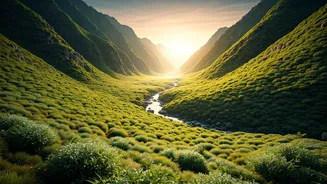
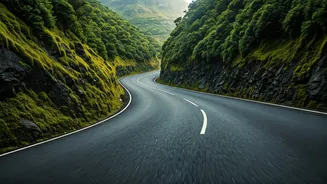
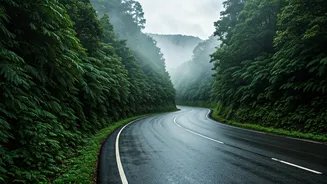
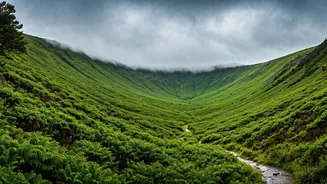
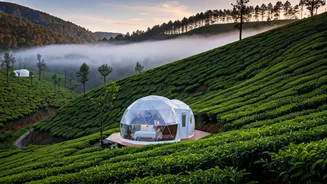
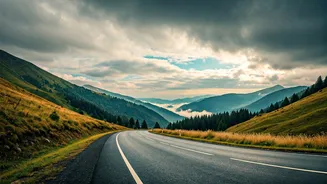
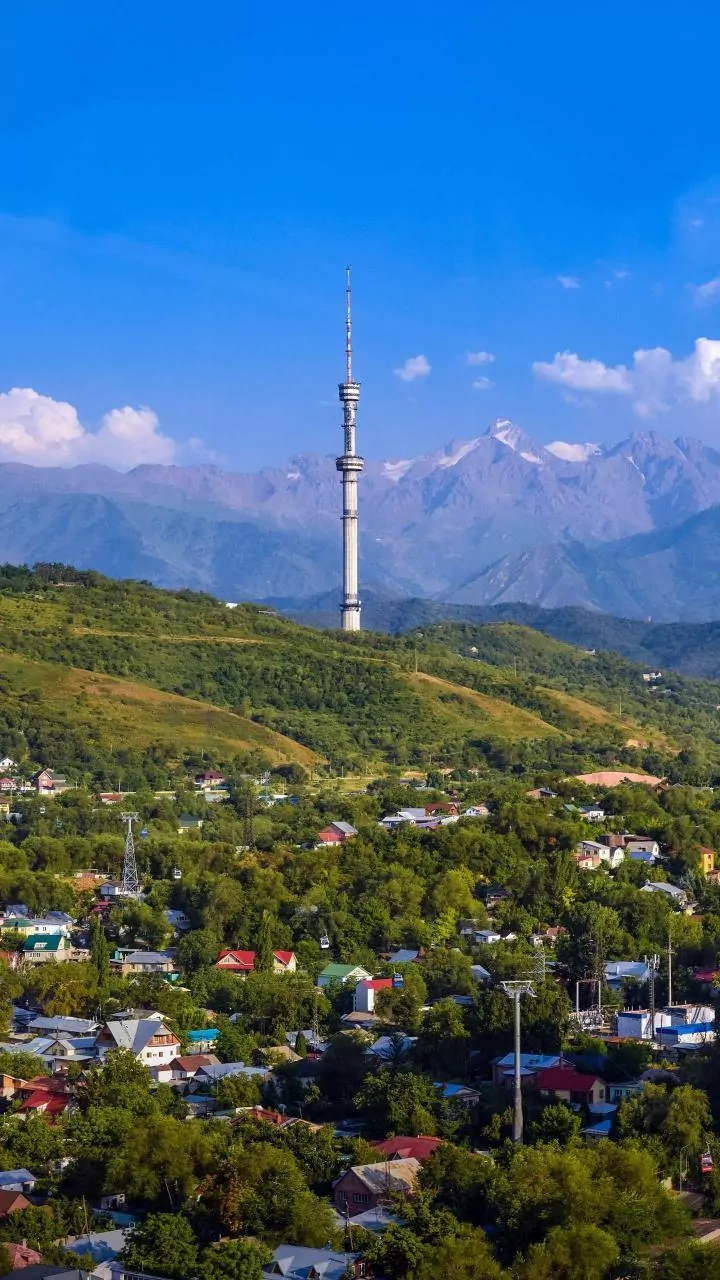
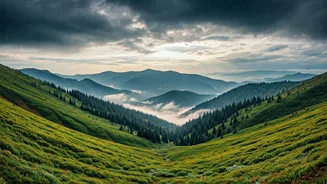
Perched at an altitude of 3,500 feet in the Anamalai Hills, Valparai is a sprawling expanse of tea and coffee plantations interspersed with dense, protected forests. The journey itself is an experience. To reach it from Pollachi, you must navigate 40 hairpin bends, a route that climbs steadily through the Anamalai Tiger Reserve. With each turn, the air gets cooler and the views more dramatic. Unlike its more famous counterparts, Valparai isn’t a town built for tourism. It’s a working plantation area, and that’s a core part of its charm. There are no sprawling market streets or aggressive touts. Instead, you'll find winding roads that cut through impossibly green tea gardens, often shrouded in a moving mist that locals say gives the place its nickname, the ‘Seventh Heaven’.
A Symphony of Wildlife
What truly sets Valparai apart for nature lovers is its incredible biodiversity. This is one of the best places in the world to see the endangered lion-tailed macaque, a shy primate that lives in the canopy of the rainforest fragments. Herds of elephants are a common sight, often seen crossing the roads that bisect the plantations. The region is also home to the majestic Indian gaur (bison), leopards, and the elusive Nilgiri tahr on higher rocky outcrops. For birdwatchers, Valparai is paradise. It’s a hotspot for endemic species, and you can easily spot the Great Hornbill, Malabar trogon, and Nilgiri flycatcher. Here, wildlife is not confined to a park; the entire landscape is a living, breathing ecosystem where humans are merely visitors.
The Art of Slow Travel
A trip to Valparai teaches you the art of slowing down. The main activity is observation. You wake up to the sound of a Malabar whistling thrush, sip tea on a veranda overlooking a valley, and spend your day driving slowly through the estates, camera and binoculars at the ready. There are stunning viewpoints like Nallamudi Poonjolai and scenic dams like the Sholayar, but the real magic lies in the unplanned moments: spotting a family of macaques by the roadside, watching tea pluckers work their way through a field in perfect synchrony, or simply feeling the profound peace of being surrounded by acres of green. It’s a place that rewards patience. It’s not about ticking off a checklist; it's about being present and allowing the forest to reveal its secrets.
Travel with a Conscience
The very reason Valparai is so special—its delicate balance between plantations and wilderness—is also what makes responsible tourism paramount. The animals here are truly wild, and the roads are their corridors. It's crucial to drive slowly and cautiously, especially at dawn and dusk. Never feed the animals, as this habituates them to humans and can lead to conflict. Always maintain a respectful distance, especially from elephants. To enhance your experience and contribute to the local community, hire a local guide. They possess an encyclopaedic knowledge of the area's flora and fauna and can take you to spots you’d never find on your own, all while ensuring your presence doesn’t disturb the natural environment.