







An Unprecedented Sum
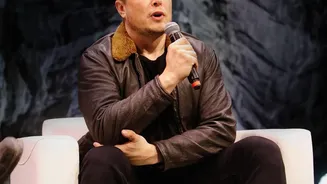
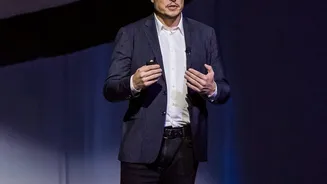
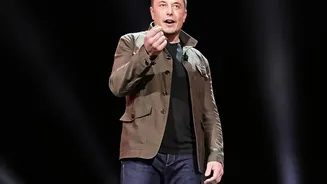
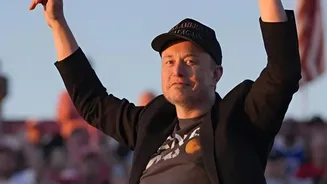
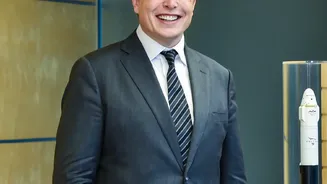
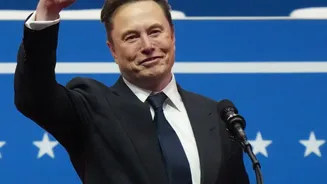
According to recent filings and reports, Elon Musk has spent over $446 million during the 2026 US midterm election cycle. This figure makes him the single largest disclosed political donor, with a significant portion of the funds channelled since July.
The contributions have primarily been directed towards super PACs supporting Republican candidates, with a notable focus on key Senate races, including a major effort to support scandal-plagued Texas candidate Ken Paxton. This level of spending by one individual is historic, dwarfing previous records and concentrating immense financial power behind specific political outcomes. The funds are routed through vehicles like Musk's own 'America PAC' and other established funds aligned with party leadership, showcasing a sophisticated strategy to influence control of Congress.
The Core of the Controversy
At the heart of the debate is the fundamental principle of 'one person, one vote'. Critics argue that when billionaires can pour hundreds of millions into elections, their voices are amplified to a degree that drowns out those of ordinary citizens. This raises concerns that policy will increasingly favour the interests of the wealthy elite rather than the general populace. Research has suggested a link between large donations and legislators' voting patterns, indicating that political outcomes can shift to align with the interests of affluent donors. Proponents of unlimited spending, however, frame it as a matter of free speech, arguing that individuals and groups have a First Amendment right to support the causes and candidates they believe in. They contend that limiting contributions is a form of censorship and that more money in politics allows for greater communication with voters.
Parallels in the Indian System
While the specifics of US campaign finance, like super PACs, are unique, the underlying issue of corporate and wealthy influence is a major topic of discussion in India. For years, India has grappled with transparency in political funding. The now-scrapped Electoral Bonds scheme, introduced in 2017, was an attempt to bring cash donations into the banking system but was criticized for allowing donor anonymity. In February 2024, the Supreme Court of India struck down the scheme as unconstitutional, a landmark decision aimed at increasing transparency. Currently, the Companies Act allows Indian companies to contribute to political parties, with no cap on the amount, provided it is authorised by the board and disclosed in financial statements, though not necessarily the receiving party's name in the profit and loss account. This framework continues to fuel debate about the potential for quid pro quo arrangements and the fairness of the electoral process.
The Global Policy Question
Musk's spending crystallises the central policy dilemma facing democracies worldwide: where to draw the line between the right to political expression through financial support and the need to prevent wealth from distorting the democratic process. The policy options being debated are varied. Some advocate for stricter limits on individual and corporate contributions and the complete closure of loopholes that allow for 'dark money' from undisclosed donors. Others call for systems of public financing for campaigns, designed to level the playing field and reduce candidate dependency on large donors. Studies have shown that stricter spending caps can increase political competition by attracting a wider and less wealthy pool of candidates. Conversely, opponents argue that such limits are easily evaded and that the focus should instead be on complete and rapid disclosure, allowing voters to see who is funding whom and make their own judgements.