




A New Space Age for India
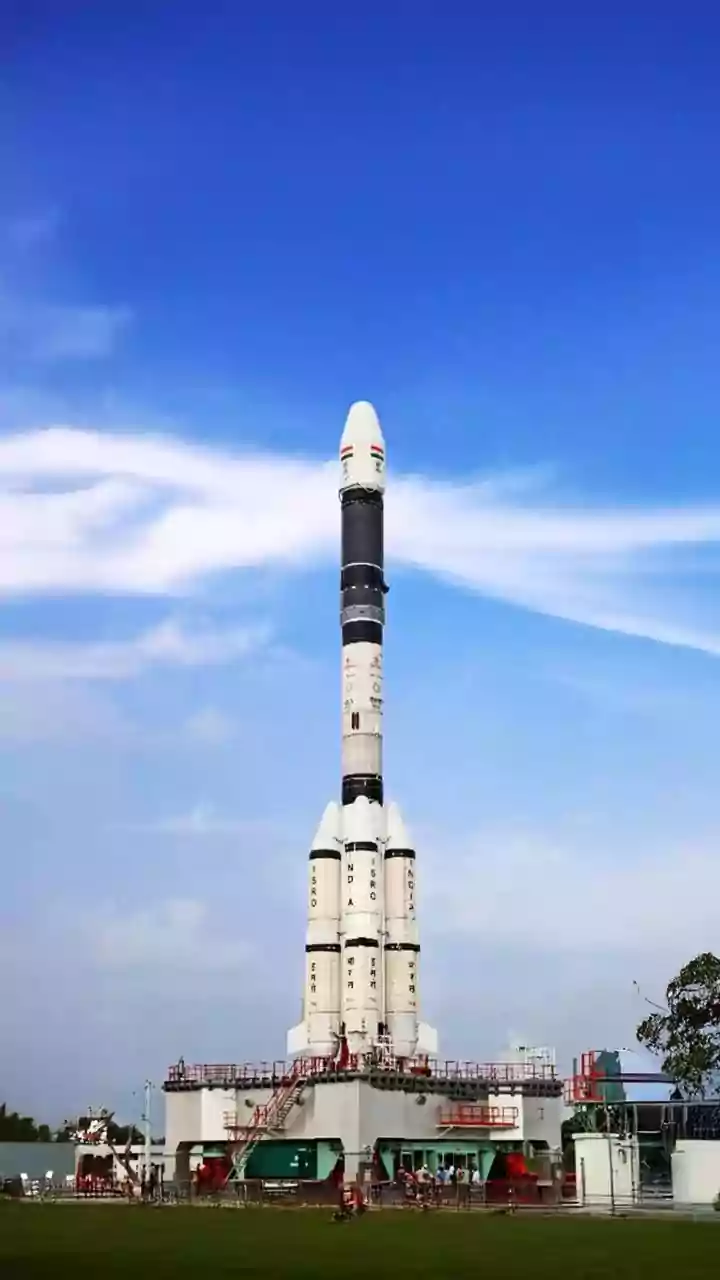
India's space story is undergoing a monumental shift. What was once the exclusive domain of the Indian Space Research Organisation (ISRO) is now a bustling ecosystem teeming with private companies. This transformation was catalysed by government reforms
in 2020, which opened the door for startups and private enterprises to participate in and lead space activities. The creation of the Indian National Space Promotion and Authorisation Centre (IN-SPACe) acts as a single-window agency to facilitate this growth, promoting and authorising private sector involvement. This policy shift allows ISRO to focus more on advanced research and deep space exploration, while private players leverage ISRO's decades of expertise and infrastructure to build commercial solutions. The results are already staggering: India's space economy, currently valued at around $9 billion, is projected to surge to over $40 billion in the next decade.
Meet the New Trailblazers
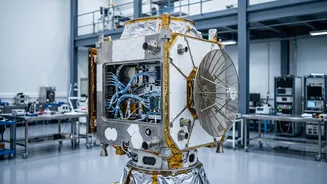
The engine of this new space age is a vibrant startup culture. Today, there are over 400 space startups in India, a dramatic increase from just a handful a few years ago. Companies like Skyroot Aerospace and Agnikul Cosmos are at the forefront of developing private launch vehicles, aiming to provide cost-effective rocket launches for small satellites. Skyroot is even planning the first launch of its Vikram-1 rocket in 2026. Meanwhile, companies like Pixxel are deploying constellations of high-resolution hyperspectral imaging satellites, providing data to sectors like agriculture and climate research. Others, such as Dhruva Space, offer end-to-end solutions for building and launching small satellites. These companies are not just concepts; they are attracting significant funding, launching rockets, and putting satellites into orbit, creating a tangible demand for a skilled workforce.
The Jobs Beyond the Launchpad
The most exciting aspect of this private space boom is the sheer diversity of jobs being created. While aerospace and astronautical engineers remain crucial, the demand now extends far beyond traditional roles. A former ISRO scientist estimated that Indian companies could require as many as 40,000 technically skilled professionals in the next five years alone. Aerospace software engineers are in high demand to develop flight software, mission planning algorithms, and autonomous navigation systems. With companies like Pixxel and SatSure launching satellite constellations, there is a surge in openings for data scientists, remote sensing specialists, and GIS analysts who can interpret satellite imagery and turn it into actionable business intelligence for industries like insurance and urban planning.
Skills for the Final Frontier
The skills required for this new era are a blend of deep engineering knowledge and modern digital fluency. Core degrees in aerospace, mechanical, and electronics engineering are still the foundation. However, proficiency in programming languages like Python, C++, and MATLAB is now essential for roles in simulation, data analysis, and software development. The growth of downstream applications—services that use satellite data—means that skills in data analytics, machine learning, and geospatial analysis are becoming just as important as rocket science. Beyond technical skills, the industry needs professionals in support roles, including marketing, finance, and even space law to navigate the complex regulations of celestial activities. This creates opportunities for graduates from a wide range of academic backgrounds to be part of India's space journey.
The Downstream Gold Rush
Much of the economic potential and job creation in the space sector lies not just in building and launching rockets, but in using the data they help generate. This is known as the 'downstream' market. Satellite communications, for instance, is the largest contributor to India's space economy. Private companies are leveraging satellite data to offer innovative services. For example, data analytics can help farmers with precision agriculture, monitor infrastructure projects, or assist in disaster management. This creates a ripple effect, fostering job growth in sectors that may seem unrelated to space but are increasingly reliant on its technology. As more satellites are launched, the volume of data will grow exponentially, making data analysts and software developers who can build applications on top of this data some of the most sought-after professionals.