







The Power of Green
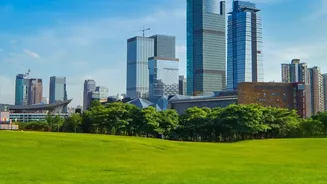
One of the most consistent findings in urban health research is the profound benefit of green space. Access to nature isn't a luxury; it's a fundamental component of a healthy city. Studies show that people living in areas with more parks, trees, and
gardens experience lower rates of depression, anxiety, and stress. Research has linked green space exposure to improved mood, better cognitive function, and even a stronger immune system. The benefits start close to home, with one study noting a significant improvement in mental health for residents who had a park within 400 meters of their residence. Even short 'doses' of nature, like a 15-minute session of 'forest bathing', can produce feelings of vitality and recovery. The theory behind this, known as biophilia, suggests that humans have an innate need to connect with nature. Green spaces encourage physical activity and provide settings for social interaction, further boosting their health credentials.
Designing for Movement
How a city is laid out directly impacts how much we move. The concept of 'walkability'—how friendly an area is to walking—is a major focus of public health research. Studies consistently find that people living in highly walkable neighbourhoods are more likely to meet recommended physical activity levels. This increased activity has a direct link to lower rates of obesity, diabetes, and heart disease. One study found that adults in walkable areas were 1.5 times more likely to get enough physical activity and had a significantly lower likelihood of obesity compared to those in less walkable areas. The benefits aren't just physical. Walkable communities can also foster more social interaction, reducing loneliness and improving mental health outcomes. Creating environments with mixed-use development, where shops and public transport are easily accessible on foot, is a powerful public health intervention.
The Air We Breathe
Urban air quality is one of the most critical environmental factors affecting health. According to the World Health Organization, very few cities meet recommended guidelines for safe air, and exposure to pollutants is a leading cause of premature death globally. Research has established strong links between air pollution and a host of diseases, including respiratory illnesses like asthma, cardiovascular problems like heart attacks and strokes, and even cancer and dementia. Fine particulate matter (PM2.5), a common pollutant from vehicle emissions and industrial activity, is particularly dangerous as it can penetrate deep into the lungs and enter the bloodstream. Long-term exposure to pollutants has also been associated with poor mental health, including depression. The evidence clearly shows that policies aimed at reducing traffic-related pollution and industrial emissions are not just environmental strategies but essential health measures.
The Architecture of Community
Beyond physical infrastructure, the social fabric of a city is crucial for well-being. Urban design can either foster connection or contribute to isolation. Research on 'social cohesion' shows that strong community ties are linked to better mental and physical health. People with strong social support networks have lower rates of anxiety and depression and are more resilient in the face of stress. They are also less likely to suffer from chronic conditions like heart disease. Thoughtful urban planning can create the conditions for these connections to flourish. Public squares, community centres, well-maintained parks, and safe public spaces encourage people to interact. When people feel a sense of belonging and trust in their community, it creates a powerful buffer against many of the stressors of city life, proving that a healthy city is about much more than just the absence of disease—it’s about fostering a true sense of community.