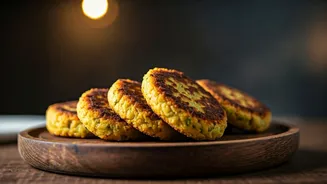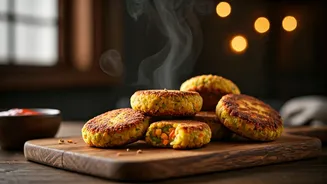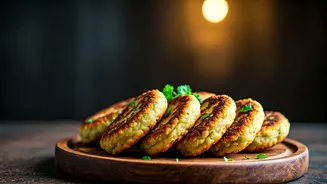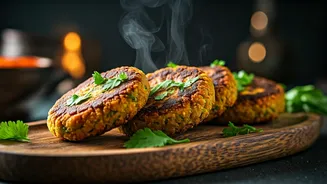



The Heart of the Cutlet: Building Your Base
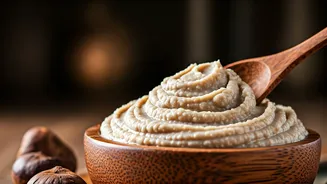
The foundation of any great cutlet is its filling. In India, the possibilities are wonderfully diverse. The most classic version starts with perfectly boiled and mashed potatoes, a canvas for a medley of finely chopped vegetables like carrots, peas, and French
beans. [16, 18] For this veg base, ensure your potatoes are mashed well but not watery. [11] If you're using other vegetables, chop them finely to ensure they cook evenly and integrate smoothly into the patty. [14] For a non-vegetarian alternative, minced chicken or mutton, cooked with ginger, garlic, and spices until tender, makes for a rich and hearty filling. [15] Make sure any meat is finely minced to avoid large, chewy pieces inside your delicate cutlet. [14] No matter your choice, the key is to cook the base ingredients well and ensure the mixture is not overly moist, which can prevent it from holding its shape. [19]
Binding and Seasoning to Perfection
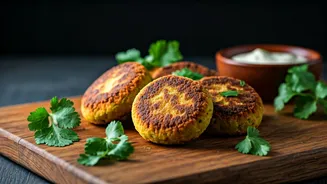
A cutlet that falls apart in the pan is a common frustration. The secret to a stable patty lies in the binder. A small amount of cornflour, rice flour, or breadcrumbs mixed into your base will absorb excess moisture and help everything hold together beautifully. [9, 14, 19] Some recipes even call for a mash of bread soaked in milk to help bind and add crispness. [12] Once your binder is in, it’s time for seasoning. This is where you can truly make the cutlet your own. A classic Indian spice mix includes turmeric, red chilli powder, cumin powder, and garam masala, creating a warm, aromatic flavour. [12] Finely chopped onions, green chillies, and fresh coriander leaves add another layer of freshness and bite. [9] Don't be shy with seasoning, as it needs to flavour the entire patty from within.
The Secret to an Unbeatable Crunch
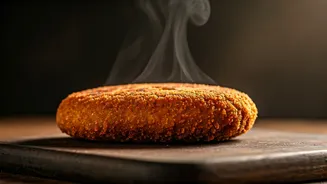
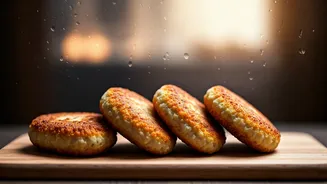
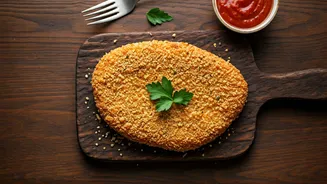
The defining feature of a great cutlet is its audible crunch. This is all down to the coating. While standard breadcrumbs work, upgrading your coating can make a world of difference. Panko breadcrumbs, which are larger and flakier, create a lighter, airier, and exceptionally crispy crust because they don't absorb as much oil. [5, 25, 27] For a distinctly Indian crunch, coarse semolina (rawa) is an excellent choice. To get the coating to stick, a three-step process is most effective: first, lightly dust the shaped patty in plain flour (maida), then dip it in a beaten egg or a slurry of cornflour and water, and finally, press it firmly into your chosen crumbs. [22] For an even thicker, more resilient crust, you can even double-coat the cutlet by repeating the dip and dredge process. [14, 19]
Frying with Finesse: From Pan to Plate
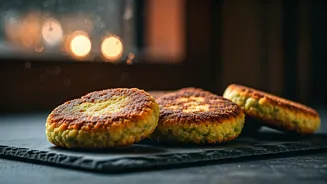
The final step is the fry. For perfectly golden-brown cutlets, heat your oil over a medium flame. [14] If the oil is too hot, the outside will burn before the inside is warmed through; if it's not hot enough, the cutlets will absorb too much oil and become greasy. [8, 9] A good test is to drop a breadcrumb into the oil; if it sizzles immediately and vigorously, the oil is ready. [2, 11] Whether you choose to shallow-fry or deep-fry, avoid overcrowding the pan. [1] Frying in batches ensures the oil temperature remains stable, guaranteeing a uniform, crispy finish for every cutlet. [1, 16] Once cooked, transfer the cutlets to a wire rack or a plate lined with paper towels to drain any excess oil. [2, 8] This helps them stay crispy.
Perfect Pairings for a Rainy Day
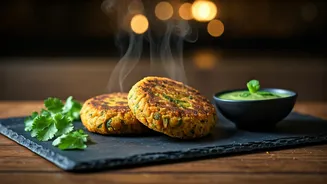
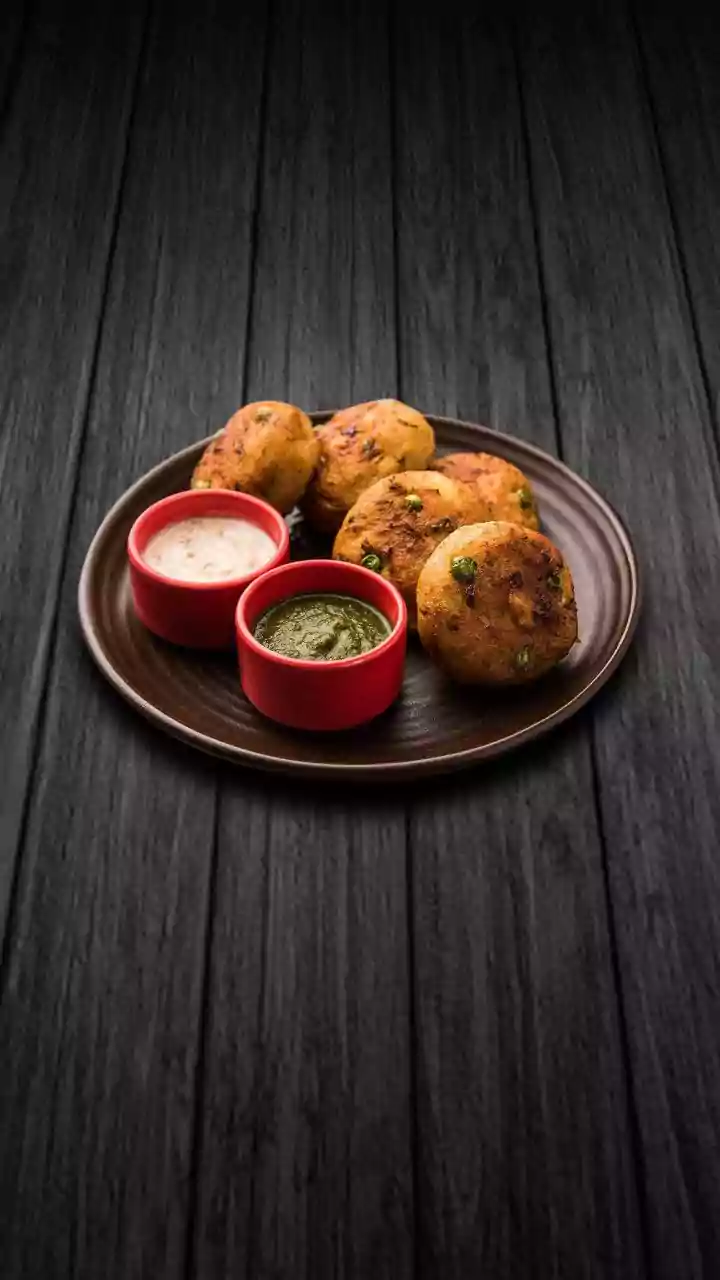
A hot, crunchy cutlet is a delight on its own, but the right accompaniment elevates it to a truly satisfying meal. The quintessential pairing is a fresh, vibrant mint-coriander chutney or a sweet-and-sour tamarind chutney, which cuts through the richness of the fried snack. Of course, a simple tomato ketchup is a timeless and kid-friendly choice. [3] To complete the classic rainy-day experience, serve your freshly made cutlets with a steaming cup of masala chai. [6] The combination of the spicy tea and the savoury, crunchy snack is the perfect antidote to a gloomy afternoon, offering warmth, comfort, and a delicious escape from the rain outside. Deep-fried snacks are a beloved part of monsoon season in India for a reason—they are easy to make and perfectly complement the cool weather. [4]