








More Than a Doggy Paddle
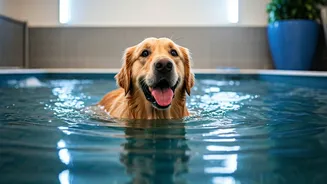
At first glance, it looks like a miniature, futuristic swimming pool. But pet hydrotherapy is far more sophisticated than a simple swim. The centerpiece of these high-end facilities is often an underwater treadmill or a resistance pool. In the treadmill setup,
a dog walks on a conveyor belt submerged in warm, sanitized water, with the height of the water adjusted to support a specific percentage of their body weight. This buoyancy reduces stress on joints, making it an ideal environment for gentle exercise. Resistance jets can be turned on to create a current, forcing the dog to work harder and build muscle without the high impact of running on pavement. It’s a concept borrowed directly from human physical therapy, where aquatic exercise has been used for decades to help with injury recovery and chronic pain management.
The Rise of the Pet Wellness Weekend
What started as a niche veterinary service for dogs recovering from surgery or suffering from arthritis is now a full-blown lifestyle trend. The “weekend craze” aspect isn’t just about the treatment itself; it’s about the entire experience. For a growing number of American pet owners, a Saturday appointment at a pet spa is becoming a cherished ritual. It’s a scheduled activity that blends health, wellness, and quality time, mirroring the self-care trends popular among humans. Owners can watch their beloved companions through plate-glass windows, sipping coffee in a chic, minimalist lounge. In an era where pets are increasingly seen as integral family members, providing them with an experience that promotes health and happiness feels less like an extravagance and more like responsible, modern pet parenting. It has become a social outing as much as a therapeutic one.
From Rehab to Five-Star Resort
The luxury element is what elevates these facilities from clinical centers to resort-like destinations. The experience often doesn’t end when the hydrotherapy session is over. Many spas offer a suite of add-on services designed for maximum pampering. Think post-swim blowouts with professional-grade dryers, blueberry facials, and “pawdicures” that include a soothing balm for tired paw pads. Some locations feature post-treatment relaxation suites with orthopedic beds and calming music. Afterward, dogs might be offered a gourmet, grain-free treat or a “puppuccino.” This all-inclusive approach transforms a 30-minute therapy session into a half-day spa retreat, reinforcing the idea that no indulgence is too great for man’s best friend. The aesthetic of the spas themselves—often clean, bright, and impeccably designed—is as much for the owner's peace of mind as for the pet's comfort.
Is It Worth the Splash?
While the luxury amenities are a clear indulgence, veterinarians and canine rehabilitation specialists agree that hydrotherapy has proven benefits. For senior dogs with stiff joints, overweight dogs needing to shed pounds safely, or breeds prone to hip dysplasia, aquatic exercise provides invaluable support. The warm water soothes aches and improves circulation, while the resistance helps build lean muscle mass to better support the skeleton. For healthy, active dogs, it can be a fantastic form of cross-training and enrichment, especially during winter months or in dense urban areas with limited space to run freely. The primary debate is one of necessity versus desire. While a vet may prescribe it for a specific medical reason, many owners are now opting for hydrotherapy as a preventative wellness measure—or simply because it makes their dog happy. The cost, which can range from $50 to over $100 per session, means it remains a luxury, but one that proponents argue is a worthwhile investment in their pet’s long-term health and quality of life.