




The Pre-Festive Price Pinch
Just as families begin planning their big-ticket purchases for Dussehra and Diwali, India's leading carmakers have rolled out a series of price increases. In announcements made in August 2026, major players like Maruti Suzuki, Hyundai, and Tata Motors
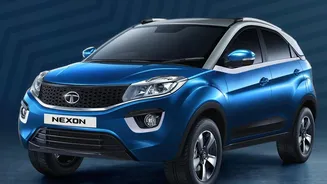
confirmed that their vehicles would get more expensive. Tata Motors plans to increase prices by up to ₹25,000 from September 1, a move that will affect both its petrol, diesel, and electric models. Similarly, Hyundai announced an impending hike of up to 1% across its range, also effective from September. Maruti Suzuki, the country's largest carmaker, had already increased prices by as much as ₹30,000 in August. These are not isolated incidents; for several of these companies, this marks the third price revision in 2026, creating a cumulative financial burden for buyers.
What's Driving Up the Cost?
Automakers are pointing to a perfect storm of economic pressures forcing their hand. The primary reason cited across the board is the sustained increase in input and commodity costs. The prices of essential raw materials for manufacturing, including steel, aluminium, copper, and rubber, have remained high, squeezing profit margins. Compounding this are ongoing geopolitical uncertainties and global supply chain disruptions that drive up operational and logistics expenses. Furthermore, stricter government regulations have also played a part. The transition to cleaner emission standards and the mandate for additional safety features, while beneficial for the environment and consumers, have added to the baseline production cost of every vehicle. Carmakers state that while they have tried to absorb a significant portion of these rising costs, they are now forced to pass a part of the burden onto customers.
A Collision of Tradition and Inflation
The timing of these hikes is critical. The festive period, typically running from September to November, is when the auto industry registers its maximum sales. It's a time when manufacturers traditionally lure customers with attractive discounts, special editions, and other promotional offers. However, the current economic climate presents a challenge to this dynamic. While automakers are still expected to push for high volumes, the repeated price increases could dampen consumer sentiment. Buyers who were waiting for festive deals might find that the discounts are partially or wholly offset by the inflated sticker prices. This creates a scenario where the strong desire to make a customary festive purchase clashes with the reality of a tighter budget and higher overall cost of ownership, which now includes not just the car's price but also higher interest rates on loans.
Navigating the New Market Reality
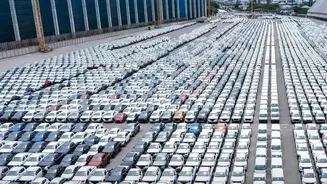
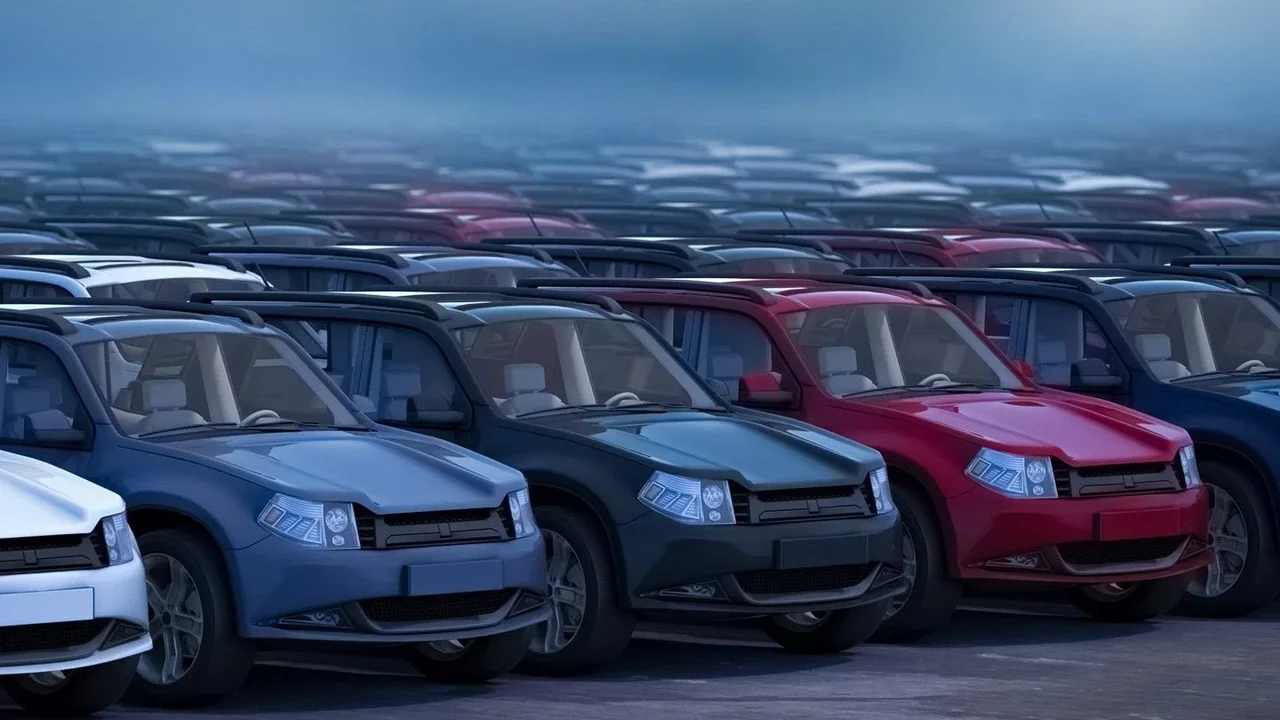
For those still determined to buy a car this season, the key is to be a smarter, more flexible shopper. Despite the hikes, the market remains intensely competitive, and good deals can still be found. Experts suggest that buyers should weigh whether potential festive offers could still offset the price increase. It may also be worthwhile to explore different segments. For instance, if a preferred sedan model has become too expensive, a feature-rich compact SUV from another brand might offer better value. Another growing trend is the increased interest in the used car market, which can provide more affordable options. While carmakers are ramping up production in anticipation of strong demand, dealers are also reportedly holding higher-than-usual inventory. This could translate into better negotiation power for informed buyers on certain models as the festive season progresses.