
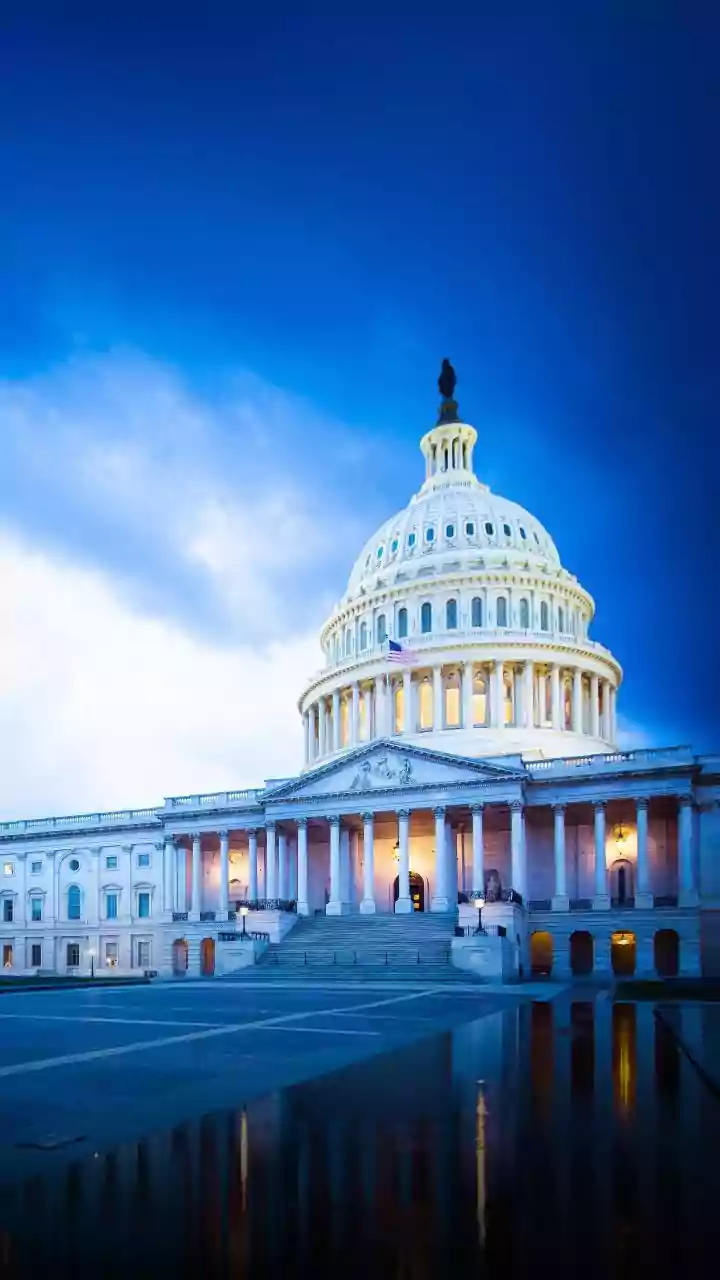





The 2026 midterm elections have fundamentally altered the balance of power in Washington. With Democrats securing control of both the House and Senate, a new era of divided government is set to begin, posing significant challenges for President Trump.
A Decisive Shift in Power
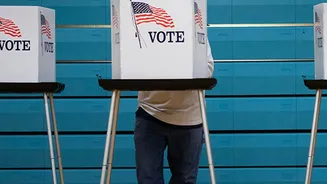
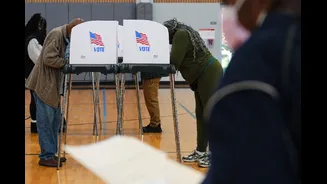
The November 2026 midterm elections resulted in a decisive victory for the Democratic party, which gained control of both the House of Representatives and the Senate. This outcome was described by many as a 'blue wave', with Democrats flipping seats in states that were previously considered Republican strongholds, such as Texas, Kansas, and South Carolina. According to projections, Democrats are expected to hold around 256 seats in the House and have secured at least 54 seats in the Senate. This shift represents a significant rebuke of the Trump administration, with voter polls indicating widespread dissatisfaction over the economy, an ongoing war in Iran, and government corruption.
The Power of Oversight and Investigations
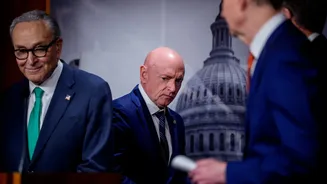
With their newfound majority, Democrats will chair all congressional committees, giving them broad subpoena power and the authority to launch investigations. This is a dramatic change from the past two years, where a Republican-led Congress was often aligned with the White House. Democratic leaders have signaled that they intend to use this power to scrutinize the Trump administration's actions, with potential investigations into everything from business dealings and alleged corruption to the conduct of the war in Iran. This heightened oversight means the administration will face a level of accountability it has largely avoided, creating a new and constant source of political pressure for the remaining two years of Trump's term.
Legislative Gridlock and Executive Action
The Democratic takeover of Congress will almost certainly hamstring President Trump's legislative agenda. Major policy initiatives favored by the White House will now face a wall of opposition. While Democrats will be able to pass their own bills through both chambers, they are unlikely to have a large enough majority to override a presidential veto, which requires a two-thirds vote in both the House and Senate. This scenario sets the stage for legislative gridlock, where little can be passed without bipartisan compromise. In response, President Trump is expected to rely more heavily on executive orders and agency rulemaking to advance his policy goals, bypassing Congress wherever possible.
A Waning Influence on the GOP
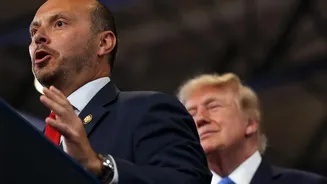
The midterm results are also a significant blow to Donald Trump's personal standing and his dominance over the Republican party. Several candidates he fiercely campaigned for lost their races, and voter polling showed that twice as many voters were motivated by opposition to him than by support. This has led to open criticism from some Republicans and suggests that his influence is waning. As the party reckons with these losses, it faces a difficult path forward. With the 2028 presidential election cycle on the horizon, Republican candidates may see more risk in aligning with Trump, potentially leading to a fractured party and a diminished role for the former president as its undisputed leader.