
The Art of Natural Fermentation
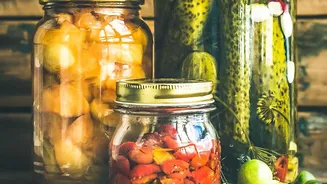
To understand the buzz, it is crucial to distinguish between two types of pickles. Most commercial pickles you find on a supermarket shelf are made using vinegar. This method preserves the cucumber and gives it that signature sharp, sour taste quickly
and reliably. However, it's the traditional method, known as lacto-fermentation, that unlocks a different kind of magic. This process involves submerging cucumbers in a saltwater brine. Over days or weeks, naturally present bacteria, primarily from the Lactobacillus family, consume the sugars in the cucumbers and convert them into lactic acid. This acid acts as a natural preservative, creating an environment that is inhospitable to harmful bacteria while allowing beneficial ones to flourish.
A Source of Gut-Friendly Probiotics
The star players in fermented pickles are probiotics. These are live, beneficial microorganisms that, when consumed in adequate amounts, can offer health benefits. The human gut is home to trillions of microbes, collectively known as the microbiome, which play a vital role in everything from digestion and nutrient absorption to immune function. Consuming fermented foods like homemade pickles can introduce beneficial bacteria to your gut, helping to increase microbial diversity. A more diverse microbiome is widely considered a marker of good gut health and is associated with a lower risk of chronic inflammation and various diseases.
Not All Pickles Are Created Equal
This is where the distinction becomes critical for your health goals. The high heat of pasteurisation and the acidity of vinegar used for most mass-produced, shelf-stable pickles effectively destroy the live probiotics. While these pickles are still a low-calorie, flavourful snack, they do not offer the probiotic benefits of their fermented counterparts. To get the gut-friendly bacteria, you need to look for pickles that are specifically labelled as "fermented" and are typically found in the refrigerated section of a store. Even better, making them at home is a straightforward process that ensures you are getting a live, active product.
Beyond the Gut: Other Potential Perks
The benefits of fermentation may not stop at the gut. The process can actually enhance the nutritional profile of the original food. Fermentation can increase the bioavailability of certain vitamins and minerals, meaning your body can absorb them more easily. Some studies suggest that the process boosts levels of antioxidants, which help protect your cells from damage. Additionally, by breaking down compounds in the food, fermentation can improve digestibility. Research has pointed to fermented foods having potential anti-inflammatory and immune-modulating effects, which are linked to overall well-being.
A Balanced and Salty Perspective
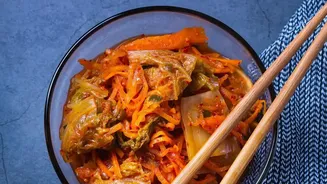
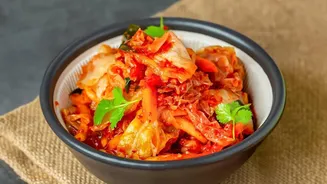
While fermented pickles can be a fantastic addition to your diet, they are not a silver bullet for health. It is important to remember that they are typically high in sodium due to the salt brine used in fermentation. For individuals monitoring their blood pressure or sodium intake, moderation is key. The overall health benefits come from incorporating a variety of fermented foods—like yoghurt, kimchi, and kefir—into a balanced diet rich in fibre and whole foods. Think of fermented pickles not as a cure-all, but as a delicious, functional, and deeply traditional way to add flavour and beneficial microbes to your plate.