





The Silent Toll of Sitting Still
Repetitive Strain Injury, or RSI, is a term that covers a range of painful conditions affecting muscles, tendons, and nerves. It’s caused by overuse and repetitive movements, and modern office work is a primary culprit. Think about it: typing, clicking
a mouse, and holding your head in a fixed position for hours on end places continuous stress on specific parts of your upper body, like your wrists, elbows, shoulders, and neck. Symptoms often start small—a bit of tingling, stiffness, or a dull ache—but without intervention, they can become chronic and debilitating, affecting your ability to work and enjoy daily activities. The core issue is not just repetition, but the lack of rest and variation in movement. Your body is designed to move, and when it's forced into static postures for long durations, strain is the inevitable result.
The Power of the Micro-Break
The solution is surprisingly simple: more frequent, short breaks. A 'micro-break' is a brief pause, lasting anywhere from 30 seconds to five minutes, taken throughout the day. These are not lazy interruptions; they are strategic resets for your body and mind. When you stand up, stretch, or walk for a few moments, you counteract the negative effects of prolonged sitting. This simple act improves blood circulation, which delivers oxygen to tired muscles and helps clear out metabolic waste. It reactivates muscles that have gone dormant and relieves the constant pressure on tendons and nerves that are overworked during repetitive tasks. Studies show that the frequency of breaks is often more important than the total duration. Taking several short breaks is more effective at preventing fatigue and injury than one long lunch break.
Making Movement a Habit
Knowing you should take breaks is one thing; actually doing it is another. The key is to build a sustainable routine. Don't wait until you feel pain or stiffness, as by then, the strain has already occurred. Instead, be proactive. A popular method is to take a five-minute break every 30 to 60 minutes. You can set a simple timer on your phone or computer. Some people find success with the 'Pomodoro Technique'—working in focused 25-minute intervals with a five-minute break in between. Another approach is to link movement to existing habits. For example, make it a rule to stand up and stretch every time you finish a task, send an email, or take a phone call. The goal is to make these breaks an automatic part of your workflow, just like checking your inbox.
Your Desk-Side Stretch Menu
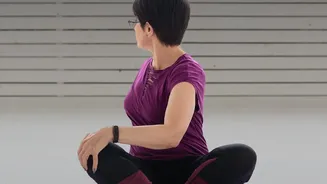
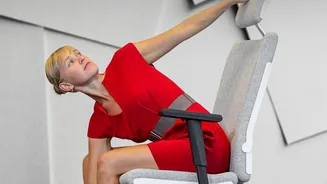
You don't need a gym or special equipment to get moving. These simple stretches can be done right at your desk and provide immediate relief.- Wrist and Finger Stretch: Extend one arm in front of you, palm up. Gently bend your wrist down with your other hand, holding for 15-20 seconds. Repeat with the palm facing down. Then, make a tight fist and spread your fingers wide, repeating several times.- Neck Release: Gently tilt your head to one side, trying to touch your ear to your shoulder. Hold for 15-20 seconds, then repeat on the other side. Avoid rolling your neck in a full circle, which can strain it.- Shoulder Shrugs: Inhale deeply and lift your shoulders up toward your ears. Hold for a few seconds, then exhale and let them drop completely. Repeat 5-10 times to release tension in your upper back and shoulders.- Torso Twist: While seated, place your right hand on the outside of your left knee. Use your left hand to hold the side of your chair and gently twist your upper body to the left. Hold for 15-20 seconds and switch sides.
Beyond the Break: An Ergonomic Mindset
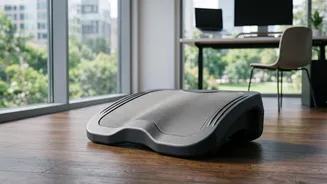
While movement breaks are a powerful tool, they are most effective as part of a broader ergonomic strategy. Pay attention to your workstation setup. Ensure your chair provides good lumbar support and your feet are flat on the floor. Your keyboard should be positioned so your wrists are straight, and the top of your monitor should be at or just below eye level to prevent neck strain. Consider alternating between sitting and standing if you have access to an adjustable desk. Think of movement breaks and proper ergonomics as two sides of the same coin—both are essential for creating a work environment that supports your long-term health and well-being rather than detracting from it.