



Lentils and Pulses
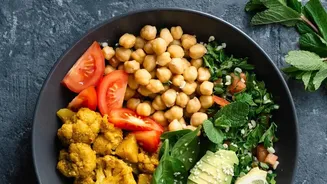
The cornerstone of Indian comfort food, dals like moong, masoor, and chana are non-negotiable monsoon essentials. They are not only packed with protein but are also easy to digest, which is crucial as our metabolism tends to slow down during this season.
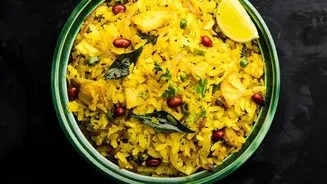
A warm bowl of dal or a simple, one-pot khichdi made with rice and moong dal is light on the stomach, incredibly nourishing, and perfect for a rainy evening. Ayurveda considers khichdi an ideal monsoon meal because it's warming and easy on the digestive system. Being non-perishable, they are easy to store in airtight containers, safe from the high humidity that can spoil other foods.
Warming Spices
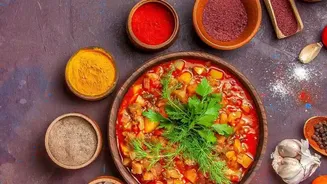
Spices are the heart of Indian cooking, and their role becomes even more vital during the monsoon. Turmeric, ginger, black pepper, and cinnamon are not just for flavour; they are packed with health benefits. Ginger is well-known for aiding digestion and fighting off colds, while turmeric is a powerhouse of anti-inflammatory and immunity-boosting properties. Black pepper helps the body absorb the benefits of turmeric and also assists with digestion. These spices have natural antimicrobial and antibacterial properties, which help protect against infections that are more common during the humid months. Incorporating them into your daily tea, dals, and vegetable dishes is a simple way to stay healthy.
Seasonal Gourds
While it's wise to be cautious with leafy greens which can harbour dirt and germs, seasonal gourds are a fantastic choice for monsoon. Vegetables like bottle gourd (lauki), ridge gourd (turai), and bitter gourd (karela) are light, hydrating, and easy on the digestive system. According to Ayurveda, these vegetables are ideal for the rainy season as they are not heavy on the gut. They are best consumed cooked, either steamed or in a light curry, rather than raw. Cooking vegetables reduces the risk of infection and makes them easier for your body to process when digestion is naturally weaker.
Seasonal Fruits
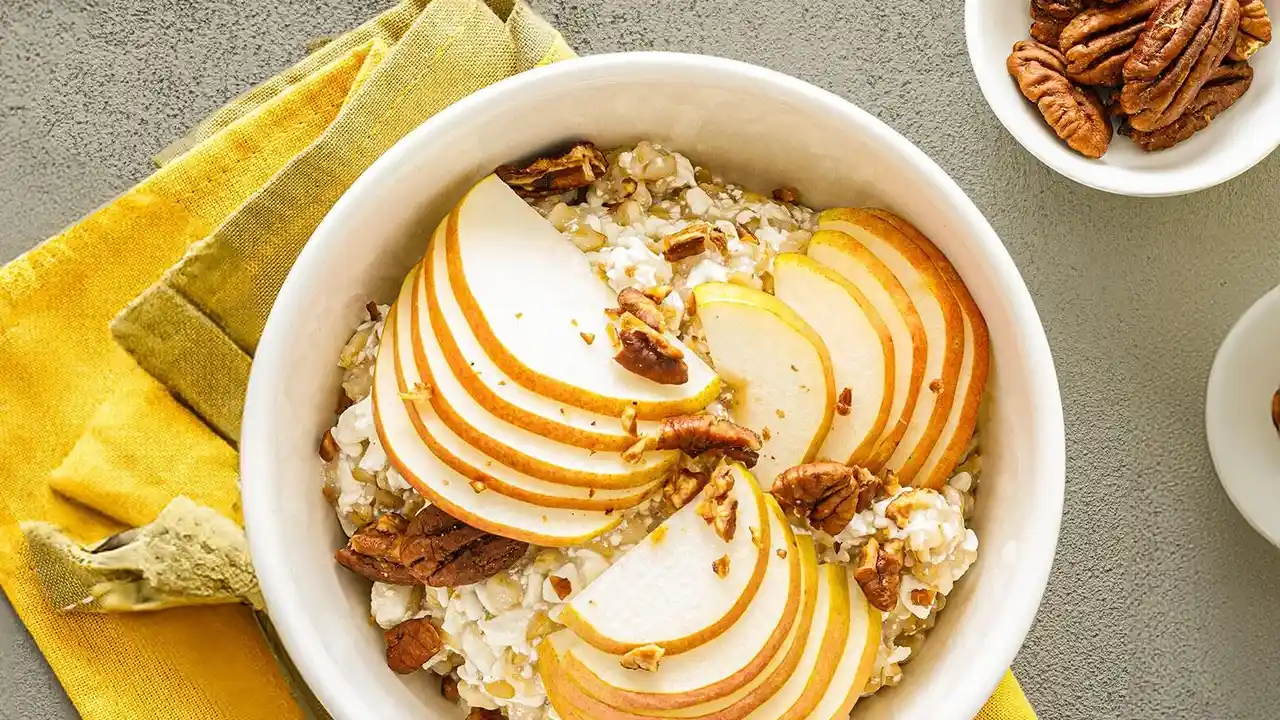
While it is best to avoid water-heavy fruits like watermelon, other seasonal offerings are excellent for building immunity. Jamun (black plum) is a quintessential monsoon fruit that is great for gut health. Pears (nashpati) and pomegranates are other safe and beneficial choices. These fruits are rich in antioxidants and essential vitamins like Vitamin C, which are crucial for fighting off seasonal infections. It's important to wash all fruits thoroughly before consumption. Choosing fruits with thick, protective skins that you can peel is generally a safer bet during this time.
Millets and Whole Grains
Beyond the usual rice and wheat, incorporating millets like jowar, bajra, and ragi into your diet is a smart move this monsoon. Millets are rich in fibre, gluten-free, and help keep the body warm. They are versatile and can be used to make everything from rotis and porridge to lighter options like steamed idlis. These whole grains provide steady energy without overburdening the digestive system. A warm ragi porridge for breakfast or bajra roti for dinner can be both comforting and incredibly healthy, providing the nourishment needed to stay active and resilient through the damp, grey days of the season.