





The Power of Protein in Muscle Repair
Every time you engage in strenuous exercise, you create tiny micro-tears in your muscle fibres. This is a normal part of getting stronger. The magic happens during recovery, when your body repairs these tears, building the muscle back bigger and stronger than
before. This process is called muscle protein synthesis, and as the name suggests, it relies heavily on protein. Proteins are made of amino acids, the essential building blocks your body uses for this repair work. Consuming adequate protein after a workout provides your system with the raw materials it needs to effectively mend and build muscle tissue. Without enough protein, recovery can be delayed, and you might not see the full benefits of your hard work in the gym.
Tofu: The Complete Protein Powerhouse
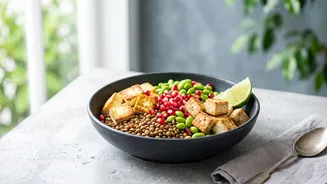
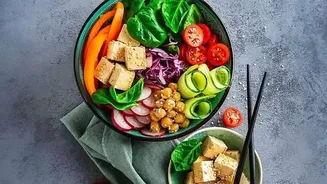
Tofu, made from soybeans, is a standout in the plant-based world because it is a 'complete' protein. This means it contains all nine essential amino acids that the body cannot produce on its own. This complete profile makes it highly effective for muscle repair, similar to animal-based proteins. A single serving can provide a substantial amount of protein to kickstart the recovery process. Beyond protein, tofu is also a source of isoflavones, which have anti-inflammatory and antioxidant properties that can help manage post-exercise inflammation and oxidative stress. It also contains minerals like calcium and magnesium, which are vital for muscle function and bone health.
Lentils: Protein, Carbs, and Minerals
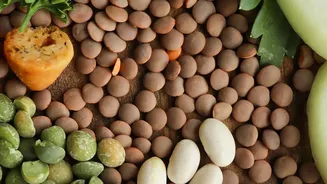
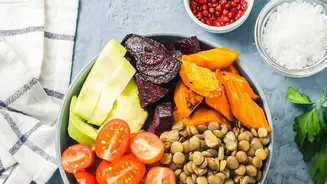
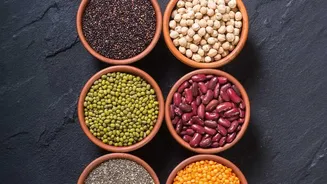
Lentils are a nutritional powerhouse for anyone active. They offer a fantastic combination of protein for muscle repair and slow-digesting carbohydrates to replenish depleted glycogen stores—your muscles' primary fuel source. This dual benefit makes them an ideal recovery food. One cup of cooked lentils provides around 18 grams of protein and is packed with fibre, which aids in digestive health. Furthermore, lentils are rich in iron, an essential mineral for oxygen transport to the muscles, and other key nutrients like magnesium and potassium that support muscle function and can help prevent cramps. Their anti-inflammatory properties further aid in reducing soreness and speeding up recovery.
Seeds: Tiny but Mighty Recovery Boosters
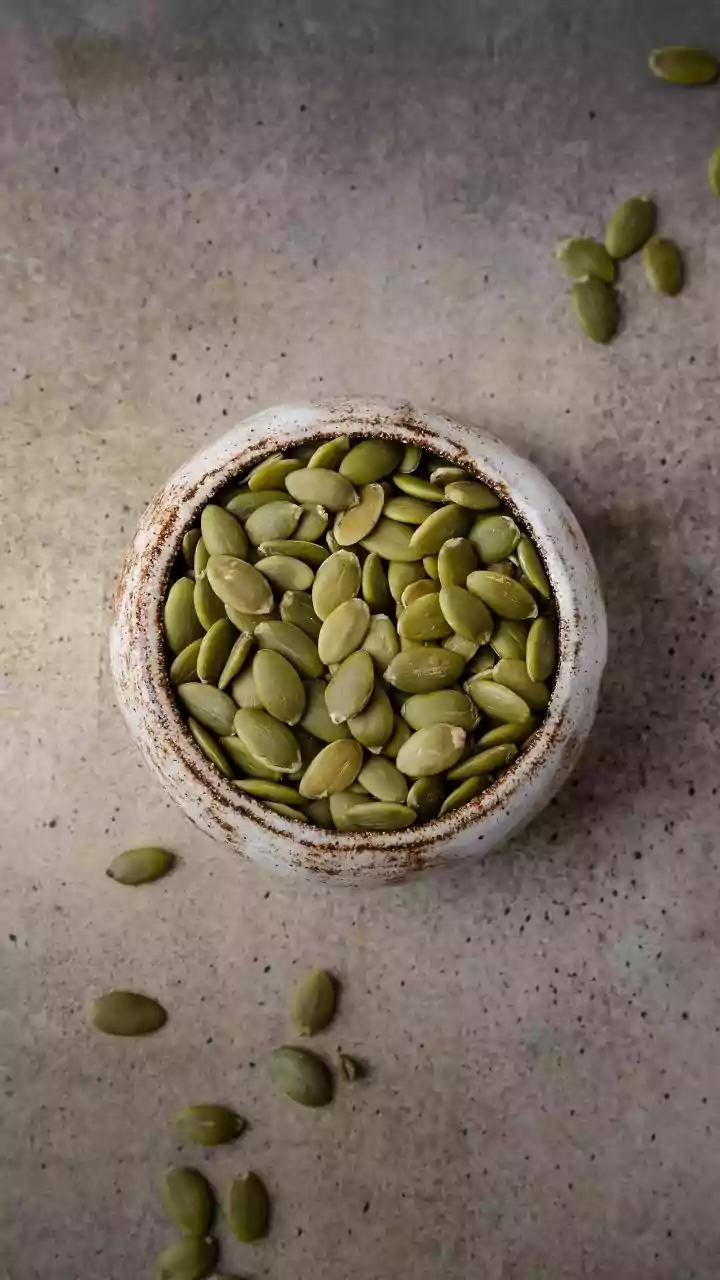
Don't underestimate the power of seeds. Varieties like hemp, chia, flax, and pumpkin seeds are incredibly nutrient-dense and offer unique recovery benefits. Hemp seeds are another complete protein source, providing all essential amino acids. Chia and flax seeds are celebrated for their high content of alpha-linolenic acid (ALA), a type of omega-3 fatty acid known for its potent anti-inflammatory effects that can soothe sore muscles. Pumpkin seeds are loaded with magnesium and zinc, two minerals crucial for muscle relaxation, tissue repair, and immune function that are often depleted during intense exercise. Sprinkling a mix of these seeds into a smoothie or over a meal is an easy way to boost your protein intake and accelerate recovery.
The Cholesterol-Free Advantage
One of the most significant health advantages of sourcing your protein from plants is the absence of dietary cholesterol. Cholesterol is a substance that is only found in animal products like meat, eggs, and dairy. While your body needs some cholesterol to function, it produces all it needs on its own. Diets high in animal products can contribute to elevated levels of LDL ('bad') cholesterol, a risk factor for heart disease. By choosing plant-based proteins like tofu, lentils, and seeds, you are supplying your body with the high-quality protein and nutrients needed for recovery without adding any dietary cholesterol. In fact, many plant foods are also rich in fibre, which can actively help lower cholesterol levels.