







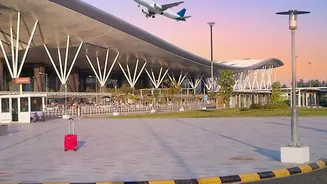
The Blueprint for a Connected India
The government is set to invest approximately ₹30,000 crore to develop 100 new airports over the next decade. This initiative is part of the 'Modified UDAN' scheme, which extends the original Ude Desh ka Aam Nagrik (Let the Common Citizen Fly) program.
Approved in March 2026, this new phase will run for ten years, from fiscal year 2026-27 to 2035-36, with an official outlay of ₹28,840 crore. The core mission remains the same: to make air travel affordable and accessible, but with a renewed focus on developing infrastructure in Tier-2 and Tier-3 cities, Himalayan states, island territories, and other underserved areas. The number of operational airports in India has already more than doubled, from 74 in 2014 to 166 in 2026, setting the stage for this next wave of expansion.
An Engine for Local Economies
An airport is more than just a runway; it's an economic multiplier. Studies have shown that for every ₹100 spent on air transport, it generates around ₹325 in economic activity. For remote regions, a new air link can be transformative. It opens the door for local products, such as agricultural produce and handicrafts, to reach larger markets faster, reducing spoilage and increasing profits for local communities. This connectivity also attracts new businesses and investments. The development of an airport ecosystem, even on a small scale, creates direct employment in operations and maintenance, and indirect jobs in hospitality, transportation, and other support services. The goal is to turn these new airports into nodes of growth, integrating remote economies with the national supply chain.
Bridging Gaps in Healthcare and Services
In many of India’s remote and hilly regions, access to quality healthcare can mean a long and arduous journey. Air connectivity drastically cuts down travel time, which can be the difference between life and death in a medical emergency. The new plan includes the development of 200 modern helipads, specifically designed to improve access in areas where building full airports is not feasible. This infrastructure is crucial for medical evacuations, delivering critical supplies, and enabling doctors and specialists to serve communities that were previously out of reach. Beyond emergencies, reliable air links support overall social development by improving access to education, administrative services, and disaster relief operations.
Unlocking Tourism Potential
India has countless hidden gems—pristine landscapes and culturally rich areas—that remain inaccessible to most tourists. The airport expansion plan aims to unlock the tourism potential of these underserved regions. By connecting places like the Andaman and Lakshadweep islands or remote Himalayan valleys, the scheme makes it easier for travellers to explore new destinations. This influx of tourism can create a sustainable source of income for local populations through homestays, guide services, and local craft sales. The government's strategy is not just to build airstrips, but to create a thriving tourism ecosystem that preserves local culture and environment while providing economic benefits.
Navigating the Challenges Ahead
Despite the ambitious vision, the path forward is not without challenges. Past experience with the UDAN scheme has shown that building infrastructure is only the first step. A significant percentage of routes awarded in earlier phases were not commercially viable and ceased operations once subsidies ended. For the new plan to succeed, it must ensure the long-term sustainability of flight operations. This involves several factors: generating consistent passenger demand, managing high operating costs in remote areas, and ensuring that newly built airports are adequately equipped and staffed. The 'Modified UDAN' scheme attempts to address this by providing Viability Gap Funding (VGF) to airlines for a longer period and including support for airport operations and maintenance to help them through the initial years.