





Why Humidity Is the Enemy of Sleep
High humidity is more than just a comfort issue; it's a physiological one. Your body’s primary way of cooling down for sleep is through the evaporation of sweat. When the air is already saturated with moisture, this evaporation process slows down dramatically.
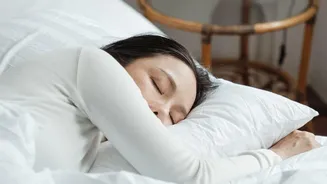
As a result, your body struggles to lower its core temperature, which is a critical signal for initiating and maintaining deep sleep. Studies show that high humidity can lead to more frequent awakenings and reduce the time you spend in the most restorative stages of sleep, including REM sleep. This leaves you feeling tired and groggy, even after a full night in bed.
Finding the Ideal Sleep Environment
To combat the effects of humidity, it helps to know what you're aiming for. Most sleep experts and environmental agencies agree that the ideal relative humidity for a bedroom is between 40% and 60%. Anything above 60% can feel stuffy and encourage the growth of allergens like mould and dust mites, which can further disrupt sleep. Keeping your bedroom in this optimal range makes the air more comfortable for breathing and allows your body to regulate its temperature effectively. A simple device called a hygrometer can measure your room's humidity level, giving you a clear idea of what you need to adjust.
Control Your Climate: Ventilation and Dehumidifiers
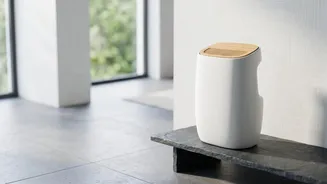
Actively managing the moisture in your room is the most direct way to find relief. If you have an air conditioner, use its 'dry' or 'dehumidify' mode, which is specifically designed to pull moisture from the air. A dedicated dehumidifier is an excellent investment for the monsoon season, as it can efficiently maintain the ideal 40-60% humidity level. For a lower-tech approach, strategic ventilation can help. Keep windows closed during the hottest, most humid parts of the day. Open them in the early morning or late at night when the outside air is cooler and drier. Using ceiling or table fans will also help circulate air, which aids in sweat evaporation and creates a cooling effect.
Choose Breathable Bedding and Sleepwear
The fabrics you sleep on and in play a huge role in your comfort on humid nights. Swap out synthetic materials like polyester, which trap heat and moisture, for natural, breathable fibres. For sheets, look for cotton percale, linen, or bamboo. Cotton percale has a crisp, cool feel and a weave that promotes airflow. Linen is exceptionally breathable and dries quickly, so it never feels clammy. Bamboo is known for its softness and excellent moisture-wicking properties. The same logic applies to sleepwear; loose-fitting pyjamas made from cotton or linen are your best bet.
Simple Lifestyle Tweaks for Better Sleep
Beyond your bedroom setup, a few simple habits can make a big difference. Taking a cool or lukewarm shower before bed can help lower your body temperature, signalling to your brain that it's time to sleep. Avoid heavy meals and excessive alcohol close to bedtime, as both can interfere with your body's temperature regulation. Stay hydrated throughout the day, but try to limit large amounts of liquid in the hour or two before bed to prevent nighttime awakenings.
Low-Cost DIY Humidity Solutions
You don't need to spend a lot of money to fight humidity. For a simple, natural solution, place bowls of rock salt or baking soda in closets and corners of your room. These substances are natural desiccants, meaning they absorb moisture from the air. Charcoal briquettes also work well for this purpose in small, enclosed spaces. Additionally, ensure there are no indoor sources of moisture, like leaks or uncovered pots of boiling water. Even houseplants like Boston ferns can help absorb some moisture from the air.