




What the Giant Study Found
Researchers recently unveiled one of the largest reviews of evidence to date on ultra-processed foods. After analyzing data from over 400 studies involving nearly 10 million people, the conclusions were stark. The findings, published in a major medical
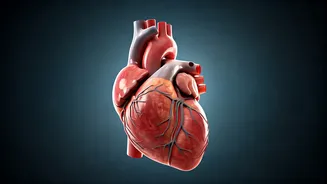
journal, showed that a higher intake of UPFs was associated with an increased risk of 32 different negative health outcomes. The strongest connections were found with cardiometabolic issues like heart disease and type 2 diabetes, common mental health disorders such as anxiety, and even premature death from any cause. The review noted that about 70% of the health outcomes they examined were linked to higher consumption of these foods, painting a concerning picture of their potential impact on public health.
The Crucial Difference Between 'Link' and 'Cause'
This is where the conversation gets nuanced. The study found a 'link' or 'association', which is not the same as proving direct causation. This is a critical distinction in all scientific research. Think of it this way: sales of ice cream and the number of drownings both increase in the summer. They are correlated, but eating ice cream does not cause drowning; the hot weather is the underlying factor that leads to both. Similarly, while a diet high in UPFs is linked to poor health, it's difficult to prove it's the sole cause. People who eat a lot of UPFs might also have other lifestyle habits that contribute to poor health, such as being less physically active, smoking, or having less access to fresh, nutritious food. The study itself is observational, meaning it looks at patterns in large populations rather than conducting a controlled experiment. It tells us there's a strong signal worth paying attention to, but not that a specific ingredient in a packaged biscuit directly 'caused' a heart attack.
What Counts as 'Ultra-Processed'?
The term 'ultra-processed' can be confusing. It doesn't just mean any food that comes in a package. The term generally refers to industrial formulations made mostly or entirely from substances extracted from foods, with a long list of additives to make them taste good and last long. Think of foods where the original plant or animal source is barely recognizable. Common examples in an Indian kitchen might include packaged chips and biscuits, instant noodles, sugary breakfast cereals, fizzy cold drinks, and many ready-to-eat meals. Even some seemingly healthy items like mass-produced packaged bread, flavoured yogurts, and fruit drinks can fall into this category. The key is that they are designed to be convenient and hyper-palatable, often at the expense of nutritional value.
So, What's the Realistic Takeaway?
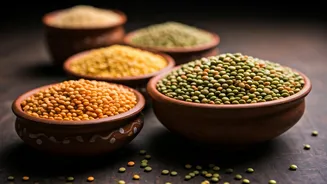
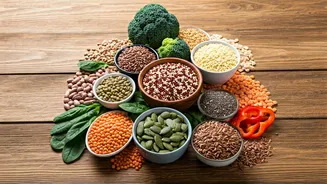
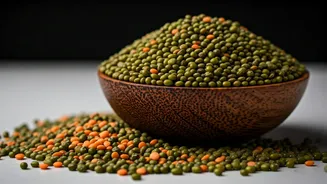
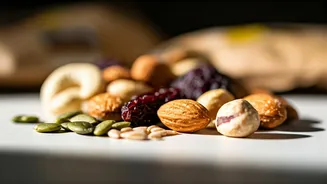
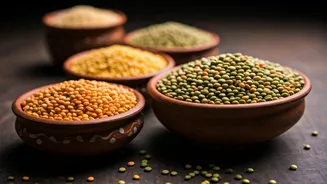
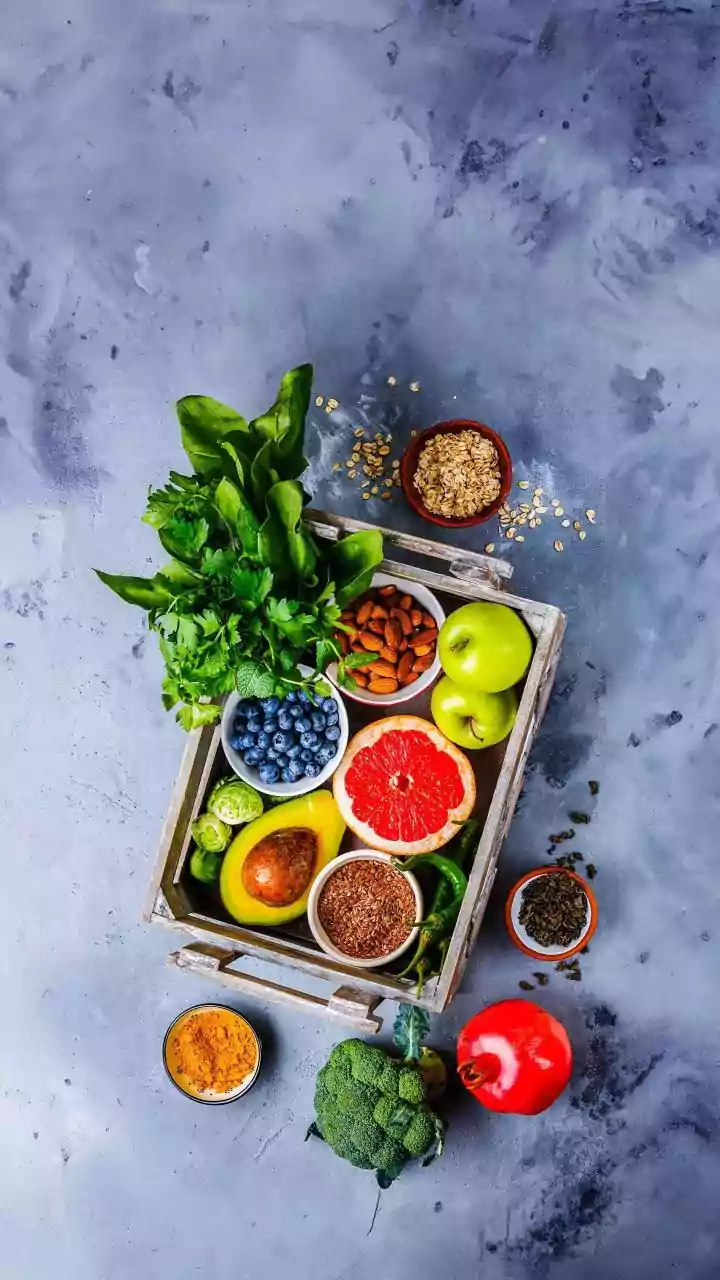
This is not a signal to panic or feel guilty about every convenience food you rely on. The findings highlight the risks of a diet dominated by these products, not the occasional indulgence. The 'Not a Miracle Fix' part of the headline works both ways: just as eating one bag of chips won't ruin your health, cutting out UPFs entirely isn't a magical cure-all if the rest of your lifestyle isn't balanced. Overall dietary pattern is what matters most. A diet rich in whole foods—vegetables, fruits, dals, legumes, whole grains, nuts, and seeds—provides the foundation for good health. The danger with UPFs is that their convenience and low cost can lead them to displace these more nutritious foods from our plates, creating a diet that is high in calories, salt, sugar, and unhealthy fats but low in essential nutrients and fibre.
A Smarter, Less Stressful Approach
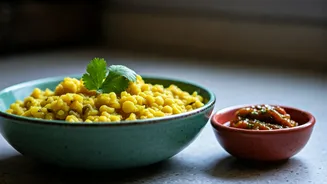
Instead of aiming for an unrealistic 'perfect' diet, a better strategy is mindful reduction. Start by identifying the most frequent UPFs in your diet. Is it a daily sugary drink? A nightly packet of instant noodles? Try simple swaps. Replace that soda with water, nimbu pani, or buttermilk. Cook a simple dal and rice instead of relying on a ready-to-eat meal. Another powerful tool is reading labels. If the ingredient list is a mile long and full of words you can't pronounce, it's likely ultra-processed. Cooking more meals at home from basic ingredients is perhaps the single most effective way to reduce your intake. It puts you in control of what goes into your food. The goal isn't purity; it's balance. Reducing your reliance on these foods, even by a small amount, can make a meaningful difference over time.