





The Foundation: Designate Your Zones
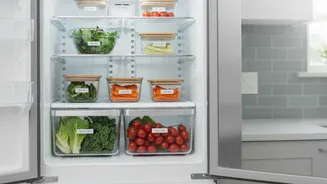
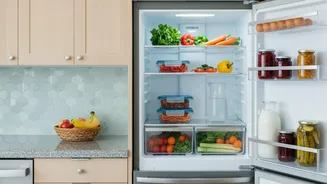
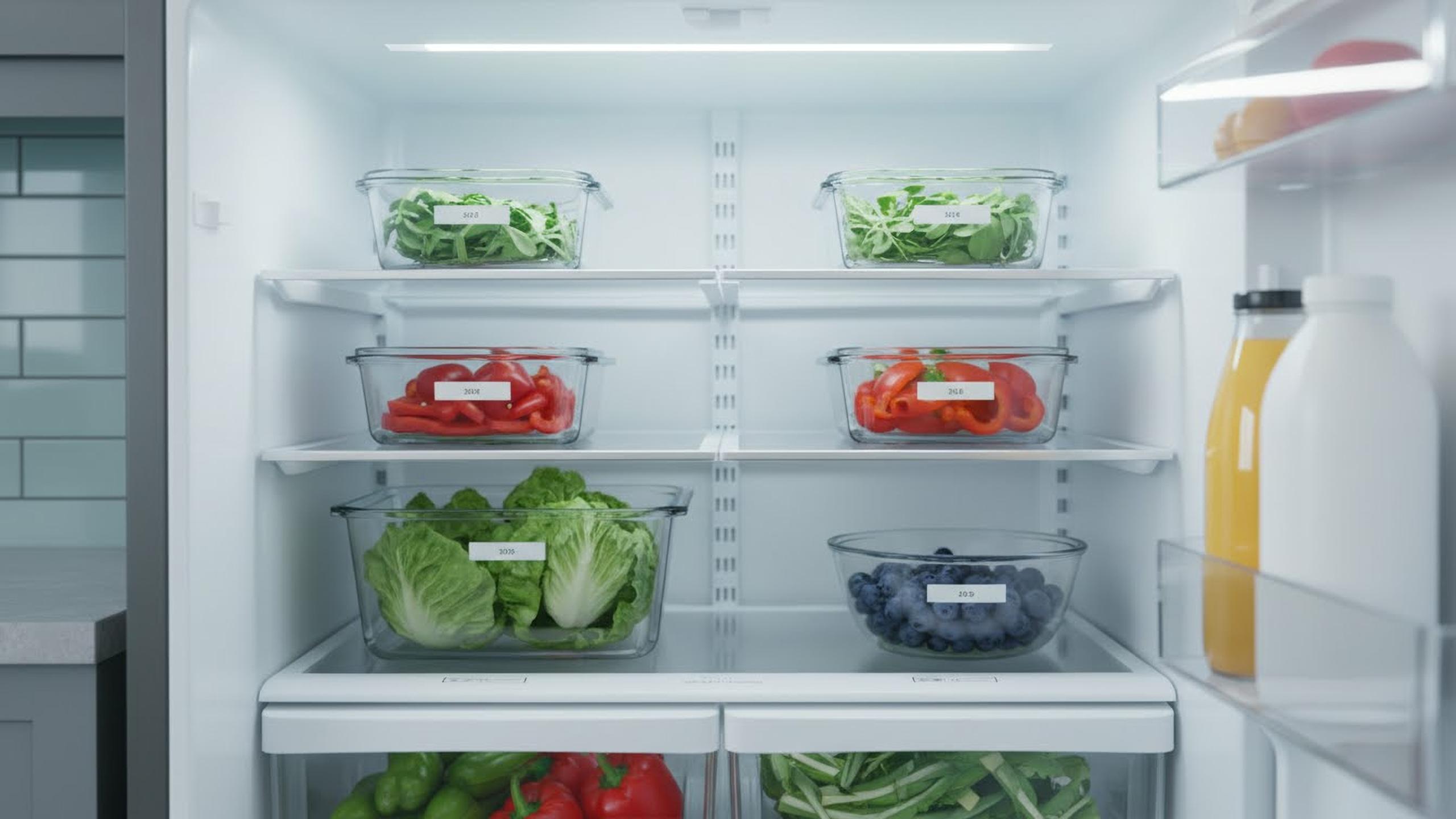
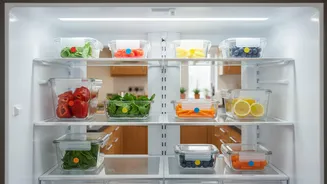
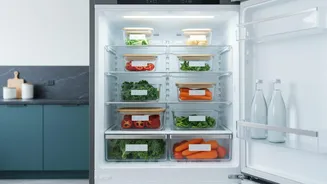
The first step toward fridge harmony is creating clear boundaries. Assigning each housemate their own shelf or designated area is the easiest way to establish order and personal responsibility. This simple act of division prevents groceries from being
shoved into forgotten corners and makes it easy for everyone to find their items at a glance. Depending on the number of people, you can split the fridge vertically or give each person a horizontal shelf. Some households even use clear bins to contain each person's items, keeping everything neat and preventing spills from affecting others. This visual separation of space is a powerful, non-verbal reminder of which items belong to whom, cutting down on accidental food theft and overcrowding. The goal is to make sure everyone has equal and fair access to space.
The Golden Rule: Label Everything, Always
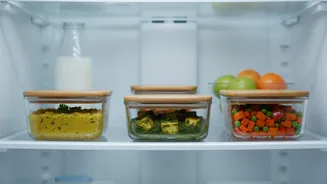
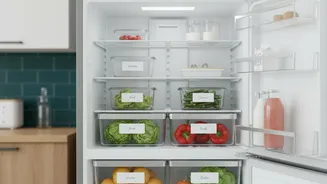
If you only follow one rule, make it this one: label your food. A roll of masking tape and a permanent marker are your best friends in a shared kitchen. Every label should clearly state your name or initials and the date the item was purchased or opened. This practice isn't just about ownership; it’s about food safety and waste reduction. Knowing when a container of leftovers was made or when the milk was opened helps everyone make smart decisions about what's still good to eat. For meal preppers, adding the contents and intended meal day (e.g., "Anjali - Chicken Curry - Wed Lunch") can be a game-changer. To make the system work, keep labeling supplies in an obvious, accessible place, like a magnetic holder on the fridge door.
The Communal Shelf: Managing Shared Items
Not everything needs to be kept separate. To save space and money, it often makes sense to share staple items like milk, butter, and common condiments. Designate a specific area, often the fridge door, as the communal zone. Before you start, have a house meeting to agree on which items will be shared and how you'll split the cost. Some roommates prefer to take turns buying these items, while others use a shared digital wallet or a simple list on the fridge to track contributions. The key is to communicate openly. If you have a special, expensive version of a communal item that you don’t want to share, make sure to label it clearly with your name to avoid any confusion.
The Leftover Protocol: Set a Time Limit
Leftovers are a primary source of fridge clutter and mysterious odours. Establishing a clear protocol for how long they can stay is crucial. A common house rule is that most cooked foods must be consumed or discarded within three to four days. Any container of leftovers should be clearly labeled with its contents and the date it was made. Some households even implement a 'fair game' rule: any unlabeled leftovers or items past their agreed-upon 'use by' date can be eaten by anyone or thrown away without guilt. This encourages everyone to stay on top of their food and prevents the fridge from becoming a science experiment graveyard.
The Cleaning Rota: A Schedule for Sanity
A shared fridge will not clean itself. Spills happen, and food eventually goes bad. To avoid a buildup of grime and resentment, a regular cleaning schedule is non-negotiable. Work with your housemates to create a weekly or bi-weekly rota, assigning one person to wipe down shelves, check for expired items, and generally tidy up. Posting the schedule on the fridge keeps everyone accountable. This shared responsibility ensures the burden doesn't fall on one person and helps maintain a clean, hygienic space for everyone’s food. Remember, the person cleaning should only throw out items that are obviously spoiled or past the agreed-upon date limit.