







The Allure of 'Authenticity'
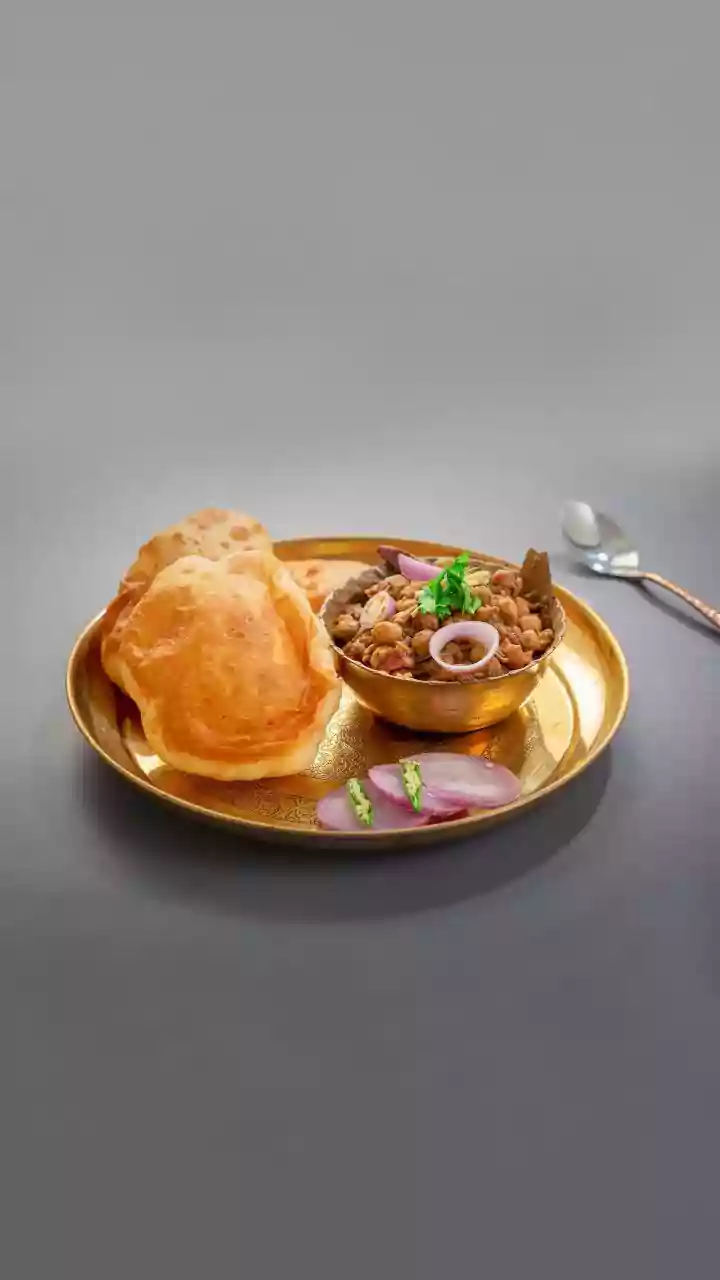
There's a certain magic to a cafe that doesn't feel like it came from a corporate template. We seek out these places for their unique personality, the feeling that we've discovered a hidden gem. Whether it's a hole-in-the-wall joint with the best chai,
a book-filled haven, or a spot with charmingly weathered decor, these cafes offer an experience, not just a transaction. This appeal is powerful. We forgive the slightly wobbly table or the less-than-gleaming floor because it feels 'real' and 'authentic'. But there's a crucial line between character and carelessness, and as customers, we often blur it, sometimes to the detriment of our own well-being.
When 'Quaint' Crosses a Line
The romance of a rustic cafe fades quickly when you consider the realities of foodborne illness. 'Quaint' should not mean dirty. In India, the Food Safety and Standards Authority of India (FSSAI) was established under the Food Safety and Standards Act of 2006 to create a unified framework for food safety. This Act consolidates numerous older laws to ensure that all food businesses, from large factories to the smallest neighbourhood cafe, adhere to scientific standards for food handling, storage, and preparation. The regulations are not about creating sterile, soulless environments; they are about preventing the spread of harmful bacteria, viruses, and parasites that can cause serious illness. Common violations often include poor personal hygiene among staff, improper temperature control for food, and cross-contamination between raw and cooked items.
A Customer's Guide to Spotting Red Flags
As a consumer, you have the right to safe food, and you can be your own first line of defence. You don't need to be a health inspector to spot potential issues. Start with the basics: Is the overall environment clean? Pay attention to the tables, floors, and condiment holders. A crucial, and often overlooked, indicator is the state of the washroom. If the cafe can't maintain cleanliness in an area customers see, it raises questions about the cleanliness of the kitchen, which they don't. Also, observe the staff. Are they wearing clean uniforms? Do they handle money and then food without washing their hands? These small details are often big indicators of the establishment's overall commitment to hygiene.
Look for the FSSAI Rating
To make things easier for consumers, the FSSAI has a voluntary 'Hygiene Rating System'. Participating restaurants and cafes are audited and given a rating from one to five. This rating is meant to be displayed prominently, allowing customers to make an informed choice. While the scheme is voluntary, its adoption is a positive sign of a business's commitment to transparency and safety. Many establishments now display their FSSAI license number and hygiene rating, and you can also find this information online through the FSSAI's own apps and portals. Asking about or looking for this rating can be a simple way to gauge an establishment's standards.
It’s Not About Perfection, It’s About Protection
This isn't a call to abandon your favourite neighbourhood spots for sanitised, multinational chains. On the contrary, it's a call to hold our beloved local cafes to a standard that protects both their customers and their own reputation. Maintaining high standards of hygiene is not just a legal requirement; it's a fundamental aspect of running a successful food business. Foodborne illnesses can cause severe health issues, damage a business's reputation, and lead to legal repercussions. Supporting a cafe should not mean turning a blind eye to practices that could make you sick. By being mindful consumers, we encourage all establishments, cosy or corporate, to prioritize our health. Recent raids on popular eateries across India have revealed violations ranging from expired ingredients to poor sanitation, proving that even well-loved brands can fall short.