


The Tiny Problem With Plastic
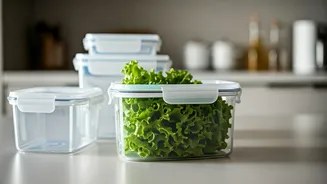
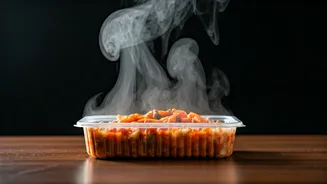
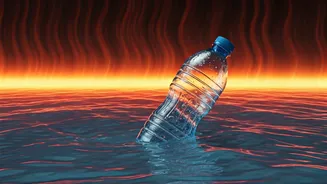
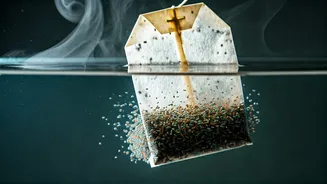
The main reason for the sudden chatter is the growing awareness of microplastics and chemical leaching. Recent studies have shown that plastic containers can release billions of tiny plastic particles, called nanoplastics, into your food, especially when
heated. A 2025 meta-analysis of over 100 studies found that 96% of plastic food packaging releases these particles during normal use. It’s not just the plastic bits; it's the chemicals they contain. Additives like Bisphenol-A (BPA) and phthalates, used to make plastics hard or flexible, are known endocrine disruptors. This means they can interfere with the body's hormones, and exposure is linked to a range of health issues.
But It Says 'BPA-Free'?
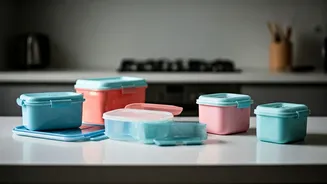
You've probably noticed that many plastic products now proudly display a "BPA-free" label. While this is a step in the right direction, it doesn't mean the container is entirely risk-free. Often, manufacturers replace BPA with similar chemicals like BPS (Bisphenol-S), whose long-term safety is still under investigation. Some studies suggest these replacement chemicals might have similar hormone-disrupting effects. This is why the conversation has shifted from avoiding just one chemical to questioning the overall safety of using plastic for food, particularly for hot, oily, or acidic meals, which can increase the rate of chemical leaching.
How to Read the Signs
You can become a smarter consumer by flipping over your plastic containers and looking for the Resin Identification Code—the number inside the small triangle. Generally, plastics with codes 2 (HDPE), 4 (LDPE), and 5 (PP) are considered safer for food use. Polypropylene (PP), or code 5, is often recommended as it has a high melting point and is more stable. It's wise to be cautious with codes 3 (PVC), 6 (PS), and 7 (Other). PVC can contain phthalates, and Polystyrene (the material in styrofoam) can leach chemicals when heated. Code 7 is a catch-all category that can sometimes include polycarbonates containing BPA.
Smarter, Safer Alternatives
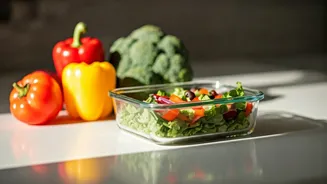
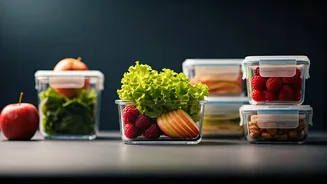
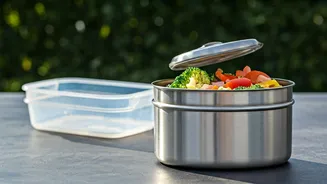
If you're looking to reduce your reliance on plastic, there are several excellent alternatives available. Stainless steel is a popular and durable choice; it's non-toxic, doesn't stain or retain odors, and is virtually unbreakable, making it great for both kids and adults. Glass containers are another fantastic option, allowing you to see what's inside, and they can go from the freezer to the oven to the dishwasher. However, they can be heavy and are breakable. Silicone, a more flexible material, is also a good choice and is generally considered safe, especially for lids and snack bags. Bamboo lunchboxes are a lightweight, renewable option as well.
Practical Steps for Everyday Use
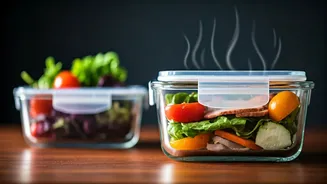
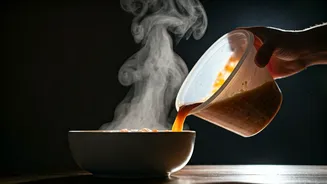
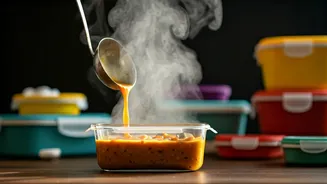
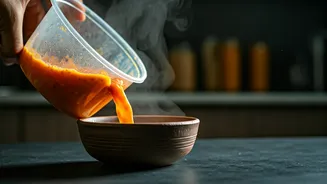
Making a complete switch overnight isn't practical for everyone. Instead, focus on small, manageable changes. Never microwave food in a plastic container, even if it's labeled 'microwave-safe'; transfer it to a glass or ceramic dish first. Avoid putting hot foods directly into a plastic lunchbox. Hand-wash plastics instead of using the dishwasher, as high heat can cause them to degrade faster. Also, inspect your containers regularly. If a plastic lunchbox is heavily scratched, stained, or warped, it’s time to replace it, as damaged plastic is more likely to leach chemicals.