





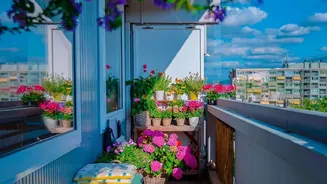
The Old Guard of the Garden
For decades, the ideal urban garden in India was often inspired by international aesthetics, featuring plants that demanded constant care. Think of elaborate rose bushes susceptible to fungal attacks in humid climates, or sprawling green lawns that consume
enormous amounts of water. These gardens, while beautiful, often require a cocktail of chemical pesticides and fertilizers to survive, and their water needs can be substantial, a growing concern in water-stressed cities. The commercial nursery system has historically been inundated with such exotic species, making them the default choice for many aspiring gardeners. However, planting species without considering their suitability can lead to plant stress, stunted growth, and the constant battle of trying to make a plant thrive where it is not meant to be.
A Shift Towards Native Wisdom
A clear and practical movement is now underway, championing native and locally adapted plants. This isn't just an aesthetic choice; it's a pragmatic one. Native plants are species that have evolved over millennia in a specific region, adapting perfectly to its climate, soil, and rainfall patterns. They are the plants that grew naturally before widespread human intervention. This shift involves rediscovering the beauty and utility of indigenous flora, from flowering trees like the Indian Coral Tree and Golden Shower Tree to hardy shrubs and vibrant flowers like Marigold, Jasmine (Mogra), and Hibiscus. The core idea is simple: work with nature, not against it.
The Practical Perks of Going Native
The benefits of embracing local plants are significant, especially for the busy urban gardener. The most immediate advantage is lower maintenance. Once established, native plants require far less water, sometimes thriving on just seasonal rainfall. This is a crucial benefit as many Indian cities face depleting groundwater levels. They are also naturally resilient to local pests and diseases, drastically reducing the need for chemical pesticides. This not only saves money and effort but also creates a healthier, chemical-free environment in your home and balcony. Furthermore, because these plants are genetically programmed to thrive in local conditions, they establish themselves faster and are more tolerant of extreme heat and heavy monsoons.
Creating Urban Oases for Wildlife
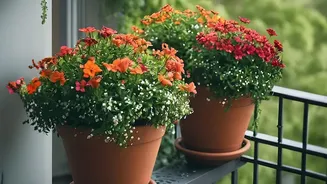
Choosing native plants has an impact that extends beyond your balcony or terrace. It's a powerful way to support local biodiversity. Native plants and local wildlife have co-evolved, meaning they provide the ideal food and shelter for native birds, bees, butterflies, and other pollinators. An exotic ornamental plant, in contrast, may offer little to no value to local insects. A garden filled with native species like Marigold, Hibiscus, or Indian Jasmine becomes a mini-ecosystem, a vital refuge for pollinators whose populations are declining due to urbanisation and habitat loss. By planting native species, you are actively helping to build a healthier, more resilient urban environment.
Getting Started with Your Local Garden
Starting a native garden is easier than you might think. The key is to select plants suited to your specific regional climate. For drier, hotter zones, drought-tolerant species like Bougainvillea, Kaner (Oleander), and Neem are excellent choices. In more tropical, humid areas, plants like Hibiscus, Aparajita (Butterfly Pea), and various types of Jasmine thrive. Most native plants prefer well-draining soil, which can be achieved by mixing garden soil with compost and coarse sand. Watering should be done based on the soil's moisture level rather than a fixed schedule; it's better to water deeply but infrequently to encourage strong root growth. A monthly dose of organic compost can provide all the necessary nutrients, eliminating the need for synthetic fertilisers. Exploring local nurseries that specialize in native species or joining online gardening communities can provide a wealth of information and inspiration.