




A Comforting, Chemical Romance
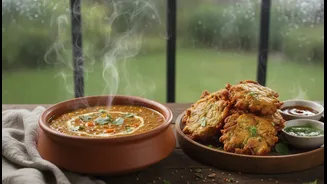
The near-universal craving for hot, often fried, food when it rains is not just in our heads. Cooler, damp weather prompts a natural biological response. Our bodies work harder to stay warm, triggering a desire for energy-dense foods, particularly carbohydrates,
which are quickly converted into heat and energy. Beyond the physical, there's a psychological pull. These foods often trigger the release of serotonin, a neurotransmitter that boosts feelings of happiness and well-being, acting as a natural counter to the gloominess of an overcast day. This connection is deeply ingrained; the sizzling sound of pakoras is as much a part of the monsoon soundscape as the rain itself, creating a ritual that feels both personal and collective.
From Quick Snack to Weekend Ritual
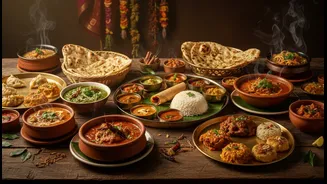
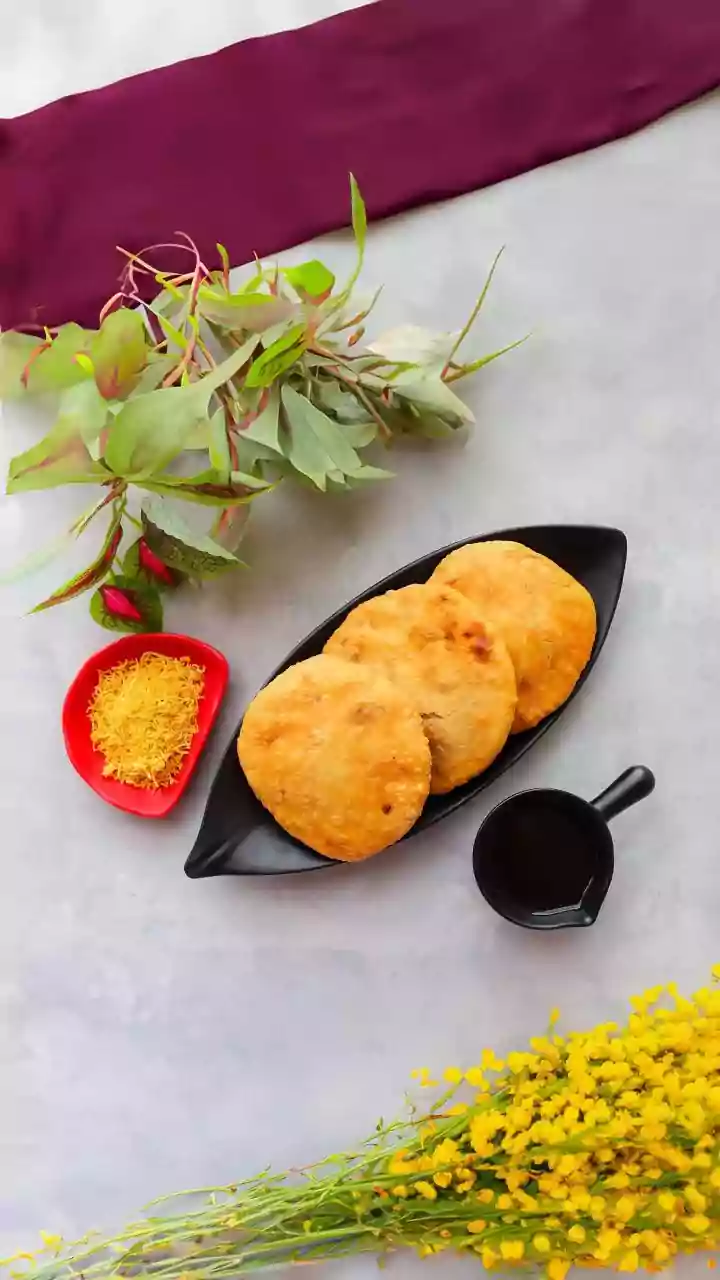
What was once a spontaneous decision—grabbing a plate of bhajiyas or a roasted bhutta from a street vendor—is evolving. The simple rainy-day snack is now anchoring a more deliberate weekend experience. It’s no longer just about a quick bite but about the entire ritual: the gathering of family, the leisurely pace of a weekend afternoon, and the shared joy of food. This shift sees comfort food moving from the streets into homes and cafes as the main event. Entire afternoons are now dedicated to preparing and sharing these dishes, turning a fleeting craving into a prolonged, cherished activity that defines the weekend. The experience is as much about the connection and conversation over a hot cup of chai as it is about the food itself.
A Culinary Map of the Monsoon
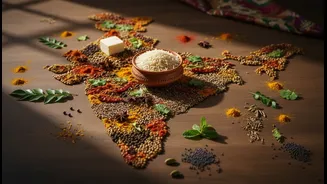
Across India, every region has its own way of celebrating the rain, creating a diverse and flavorful map of monsoon delicacies. In Maharashtra, the weekend might feature crispy Kanda Bhaji (onion fritters) or Sabudana Vada, a crunchy yet soft patty of tapioca pearls and potato. Head to West Bengal, and you might find kitchens preparing Matar Ghugni, a warm, spiced yellow pea curry, or the celebrated Ilish Maach Bhaja (fried Hilsa fish). Rajasthan, despite its arid climate, welcomes the rain with hearty Dal Baati Churma and spicy Mirchi Vada. Down south, Karnataka offers the unique steamed and fried colocasia leaf rolls known as Patrode, while Tamil Nadu brings the heat with Mor Milagai, curd-soaked and sun-dried chillies fried to a crisp. This rich variety showcases how local ingredients and culinary traditions shape the monsoon experience nationwide.
Restaurants Embrace the Rainy Day
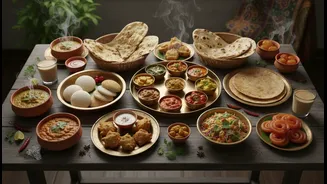
The hospitality industry has taken notice of this cultural shift, with cafes and restaurants curating special "monsoon menus" to capture the spirit of the season. These menus are designed to evoke nostalgia while offering a comfortable, curated experience. Establishments in Delhi and Mumbai are offering everything from street food-inspired platters with regional chaats to inventive takes on classics, like bacon bread pakoras or jackfruit biryani. Some are even hosting Kebab and Biryani festivals, leaning into the desire for rich, warming, and communal meals. By creating a cosy ambience and marketing the idea of a perfect rainy-day outing, these restaurants are successfully turning a weather-based craving into a planned social event, drawing in groups of friends and families looking to indulge in the weekend comfort experience.
More Than Just a Meal
Ultimately, the transformation of rainy-day food into a weekend experience is about more than just what's on the plate. It taps into a deep well of nostalgia and the emotional security that these foods provide. For many, the taste of a samosa or a sip of masala chai is tied to fond childhood memories, family gatherings, and a sense of belonging. The ritual of preparing and sharing these meals becomes a form of mindfulness, a comforting tradition that strengthens bonds. It is a celebration of simple pleasures and the joy found in a shared moment, proving that the most memorable experiences are often the ones cooked up at home or enjoyed with loved ones, with the gentle rhythm of the rain as a backdrop.