


A Tradition Hundreds of Years in the Making
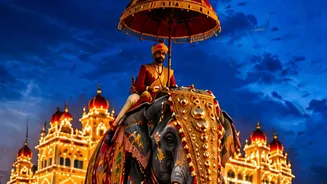
The magic of Mysuru Dasara, or 'Nada Habba' (state festival), is rooted in a tradition that stretches back over 400 years. Started by the Wadiyar kings in 1610, it continues a practice inherited from the Vijayanagara emperors, celebrating the victory
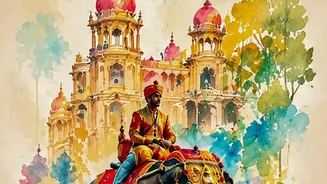
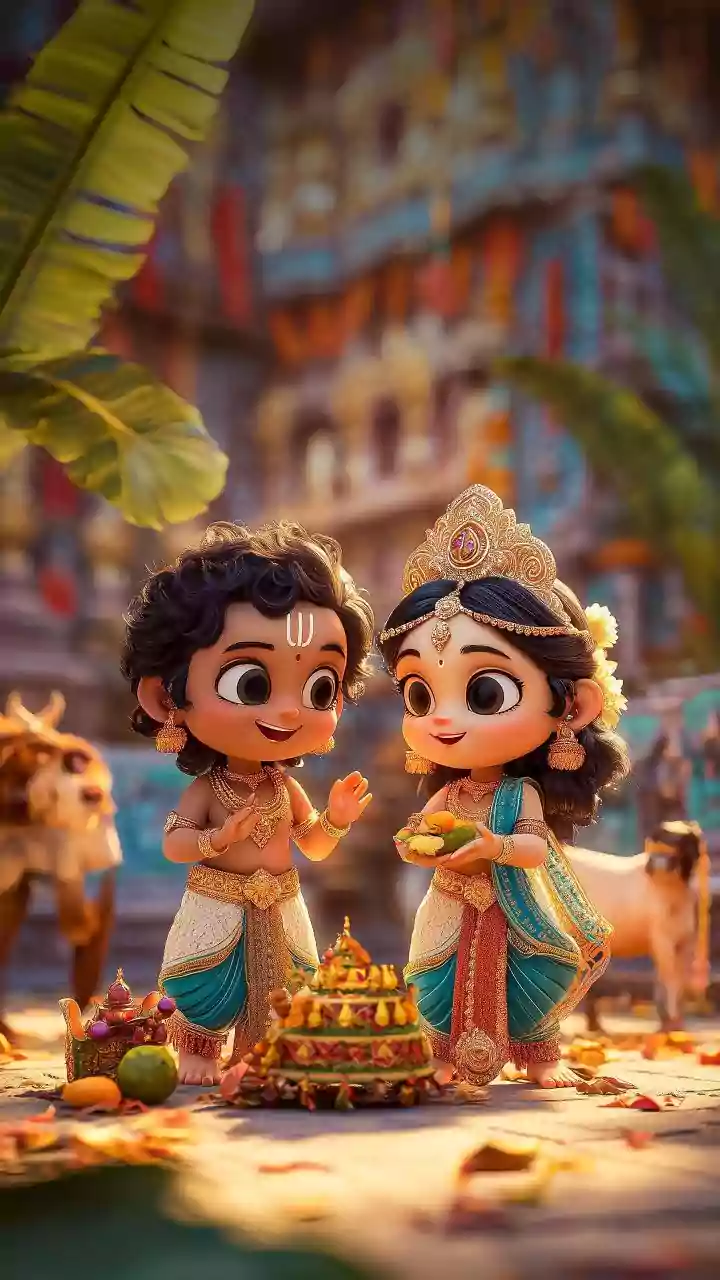
of Goddess Chamundeshwari over the demon Mahishasura. This deep historical and mythological connection provides an authenticity that cannot be manufactured. The entire festival is built around this core narrative, with the world-famous 'Jumbo Savari' or elephant procession as its grand finale. During this event, an idol of the Goddess is carried in a golden howdah atop a decorated elephant, a ritual that anchors the celebration in its royal and spiritual origins.
More Than Just One Parade
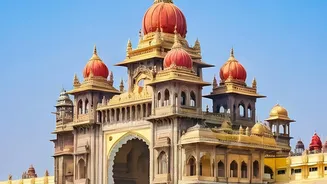
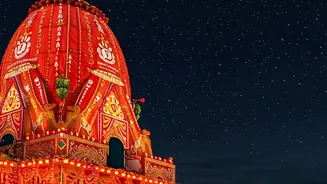
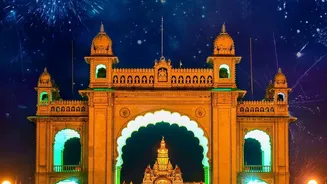
While the Jumbo Savari is the main event, Mysuru's success lies in creating a ten-day-long ecosystem of attractions that cater to every type of visitor. The entire city becomes a venue. The iconic Mysuru Palace, illuminated by nearly 100,000 light bulbs, forms the glowing backdrop for nightly cultural programmes featuring artists of national and international repute. Beyond the palace walls, the city buzzes with a diverse array of events: 'Yuva Dasara' for the youth with popular music bands, a massive Dasara Exhibition with crafts and food stalls, film festivals, sports events, heritage walks, and even dedicated programmes for farmers and women. This multi-pronged approach ensures that there is always something happening, encouraging tourists to extend their stay and explore beyond the main attractions.
Heritage as the Centrepiece
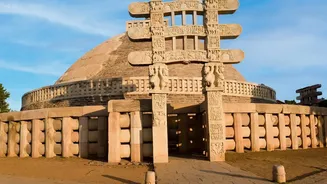
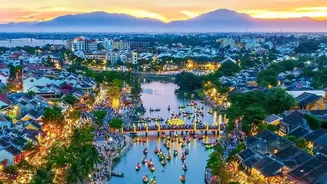
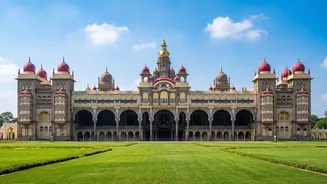
Mysuru doesn't just host a festival; it turns the entire city into a living museum. The city's well-preserved heritage, from the grand Mysuru Palace and Jaganmohan Palace to its colonial-era buildings and wide boulevards, serves as the stage for the celebrations. This integration of culture and urban design is a key differentiator. Instead of cordoning off heritage, Mysuru uses it as the very foundation of the visitor experience. Heritage walks guide tourists through historic neighbourhoods, while traditional art forms like classical music, dance, and artisan crafts are showcased in various venues. This strategy reinforces the city's identity as the 'Cultural Capital of Karnataka' and ensures that tourism directly supports the preservation of its legacy.
The Economic Engine in Action
The economic impact of Dasara is immense. The festival attracts lakhs of visitors, leading to a surge in business for every sector. Hotels across the city report 100% occupancy, with bookings often made weeks in advance. Restaurants, transport services, local artisans, and even small street vendors see a significant boost in income. Post-pandemic celebrations saw the festival generate revenues of over ₹200 crore, revitalising a local economy that is heavily dependent on tourism. The success is so profound that even after the main festival concludes, tourist footfalls remain high, encouraged by the decision to extend the city-wide illumination. This demonstrates a direct link between cultural celebration and economic prosperity.
A Blueprint for Other Cities
Mysuru's model offers valuable lessons for other heritage cities in India. The first is authenticity; the festival is a genuine cultural event, not a gimmick for tourists. Second is diversification. By offering a wide range of activities, the city appeals to a broader demographic and increases the length of stay. Third is infrastructure and management. Coordinated efforts across multiple departments—from traffic and sanitation to security and transport—are crucial to handle the massive influx of people. Finally, the model shows the importance of using heritage as an active asset rather than a passive monument. By making local culture accessible and engaging, cities can create a sustainable tourism model that celebrates their identity while boosting their economy.