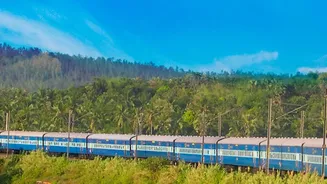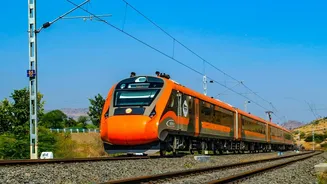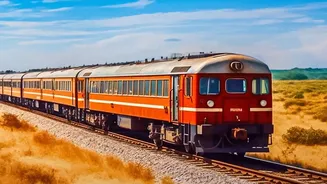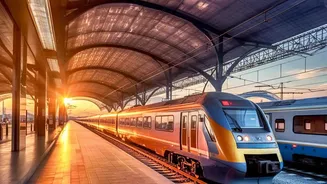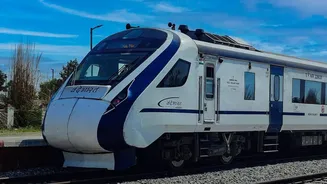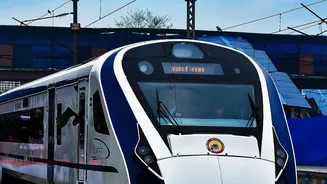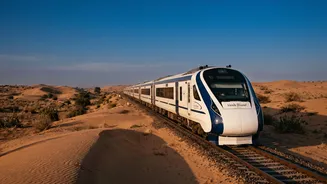

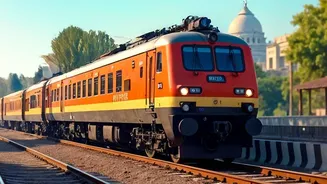

Imagine the arid expanse of the Thar Desert, viewed not from a rugged camelback but through the wide, clean window of a high-speed train. This is the unique journey offered by one of Rajasthan's Vande Bharat Express routes.
A Modern Train Meets an Ancient Landscape
The Vande Bharat Express is
India's leap into the future of rail travel, known for its speed, comfort, and modern amenities. These sleek, air-conditioned trains have redefined inter-city travel across the nation. But when a train designed for the 21st century charts a course through a timeless desert, the journey becomes more than just a commute; it turns into an experience. The route connecting Jodhpur, the 'Blue City', to Sabarmati in Ahmedabad is one such remarkable passage where modern engineering glides through a historic and rugged landscape. This service, Rajasthan's second Vande Bharat Express, bridges the gap between two major commercial and cultural hubs in just over six hours, a significant time-saver compared to other trains on the route.
The Journey from the Blue City
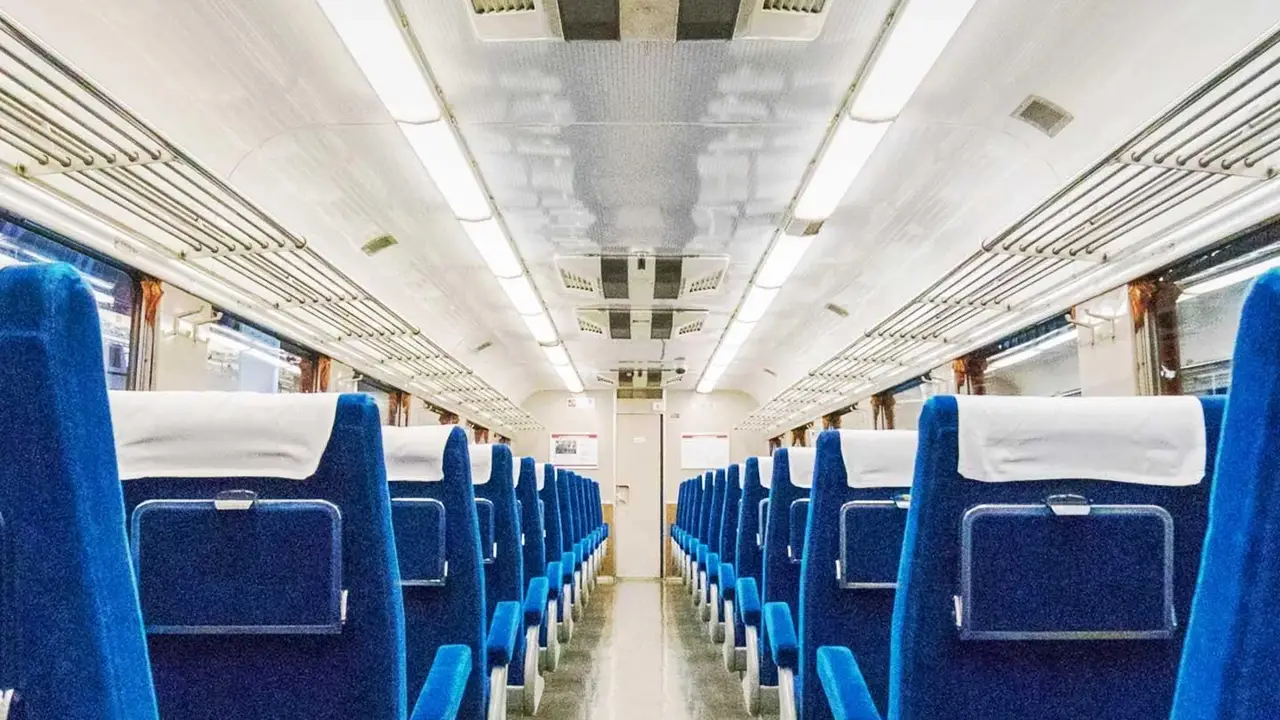
The adventure begins early at Jodhpur Junction. As train number 12461, it departs at sunrise, setting a course south through the heart of Marwar. Onboard, passengers are greeted with features that set the Vande Bharat apart: comfortable seating with ample legroom, large windows for unobstructed views, automatic doors, and clean, well-maintained bio-vacuum toilets. The ride is noticeably smoother and quieter than conventional trains, with the rhythmic clatter of wheels giving way to a gentle hum as the train accelerates. Onboard catering ensures that breakfast and tea are served right at your seat, allowing you to simply relax and watch the urban landscape of Jodhpur give way to the semi-arid plains.
Through the Heart of Marwar
The first major stop on this desert route is Pali Marwar, an important textile and trading town. From here, the landscape begins its transformation. The vegetation grows sparse, the soil turns sandier, and the vast, sun-drenched plains of western Rajasthan open up. The train slices through this scenery, offering glimpses of desert life—small, scattered settlements, hardy livestock, and the occasional camel. The next key halt is Falna, renowned for its Jain temples and as a commercial hub for the surrounding rural areas. This stretch is where the 'desert country' aspect of the journey truly comes alive, showcasing a part of Rajasthan many travellers might otherwise miss.
Gateway to the Aravallis
As the journey continues south, the train reaches Abu Road, the only station on this route with a longer, fivendute halt. This station serves as the gateway for those heading to Mount Abu, Rajasthan's only hill station. Here, the landscape subtly shifts again. The flat desert terrain begins to give way to the rocky outcrops of the Aravalli Range, one of the oldest mountain ranges in the world. The stark beauty of the desert is now complemented by the rugged grandeur of the hills, providing a visual transition as the train prepares to cross the border into Gujarat. The journey from Abu Road to Palanpur marks this transition, carrying passengers from the desert state into the neighbouring landscapes of Gujarat.
Connecting Cultures and Commerce
After brief stops at Palanpur and Mahesana in Gujarat, the Vande Bharat Express completes its journey at Sabarmati, a key station in Ahmedabad. The entire 449nd kilometer route is covered in about six hours, a feat of modern railway engineering. This line does more than just transport people; it acts as a vital economic and cultural artery. It connects Rajasthan's tourism and handicraft centres with Gujarat's industrial and financial markets, fostering greater integration between the two vibrant states. For the traveller, it offers a unique and comfortable way to witness the stunning diversity of India's western landscapes, from the golden sands of any Thar to any bustling energy of Ahmedabad.