





The Problem with Points
Front-of-pack nutrition labels, like star ratings or traffic-light systems, are designed to simplify food choices. They primarily score packaged products by analysing isolated nutrients like fat, sugar, and salt. The more stars, the “healthier” the product is supposed
to be. This system was created for an industrial food landscape, where processed items can be easily compared. However, this reductionist approach falls apart when applied to the complex, holistic nature of traditional cuisines. A food is judged in isolation, stripped of its preparation method, the other ingredients it’s paired with, and its cultural role. Critics argue these systems can be misleading, as adding a minor 'healthy' ingredient can boost a product's score without making it genuinely nutritious.
The Wisdom of the Thali
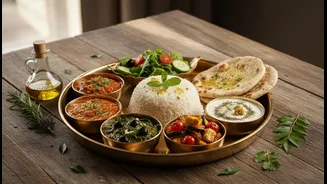
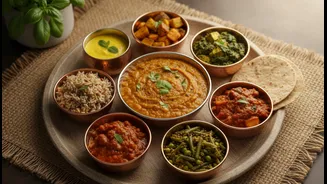
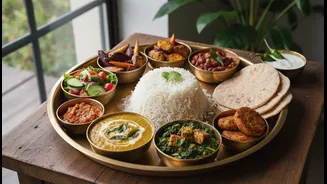
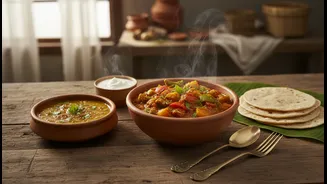
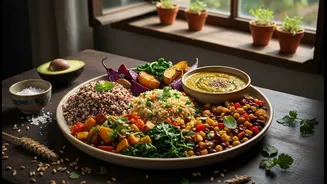
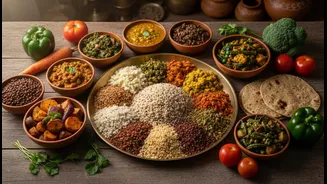
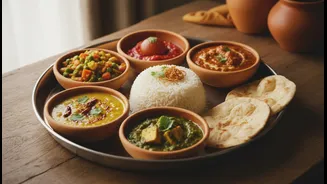
Consider the quintessential Indian thali. It’s not just a collection of dishes; it’s a nutritionally balanced masterpiece refined over centuries. A typical thali offers carbohydrates from rice or roti, protein from dal, vitamins and minerals from seasonal vegetables (sabzis), and healthy probiotics from curd. Accompaniments like pickles and chutneys aid digestion. This meal structure inherently provides macronutrient balance, portion control, and a wide array of micronutrients. A nutrition rating system would analyse the dal or a vegetable dish on its own, completely missing the synergy of the combined meal. The thali itself embodies a philosophy that health comes from balance and variety on a single plate, a concept too sophisticated for a simple star rating.
The Case of Misunderstood Ghee
Ghee is a perfect example of where culinary context is key. Judged purely on its high saturated fat content, it would likely receive a poor health score. Yet, in Ayurveda and traditional Indian kitchens, ghee is considered a superfood. It has a high smoke point, making it a stable fat for cooking that doesn't break down into harmful compounds. Used in moderation, it is known to aid digestion, support gut health, and help the body absorb fat-soluble vitamins from other foods. The process of making ghee also removes lactose, making it suitable for many who are lactose intolerant. To label ghee as simply 'fat' is to ignore its functional role and thousand-year history in promoting wellness.
The Fermentation Factor
South Indian staples like idli and dosa, or Gujarati dhokla, are more than just a mix of rice and lentils. The crucial step is fermentation. This natural process transforms the ingredients, making them significantly more nutritious. Fermentation breaks down complex carbohydrates and proteins, making them easier to digest. It also reduces 'antinutrients' like phytic acid, which allows for better absorption of essential minerals like iron and calcium. Furthermore, this process synthesises B-vitamins and introduces probiotics, which are beneficial for gut health. A simple nutrient calculator analysing raw rice and dal would completely miss these profound biochemical benefits created by this traditional preparation technique.
A Pharmacy in the Spice Box
Indian cooking is inseparable from its vast array of spices, which are used not just for flavour but for their medicinal properties rooted in Ayurveda. Turmeric, with its active compound curcumin, is a powerful anti-inflammatory. Cumin aids digestion, while fenugreek can help regulate blood sugar. Spices are often combined to enhance their effects; for example, black pepper is known to increase the bioavailability of curcumin in turmeric. This is culinary logic at its finest—where ingredients work in synergy to both nourish and heal. No nutrition rating system is designed to account for the antioxidant, anti-inflammatory, and digestive benefits that a well-formulated masala blend brings to a dish.