







The Good News in Numbers
While Japan recently revised its visa fees globally for the first time in years, the good news for Indian passport holders is that the charges remain unchanged. The Embassy of Japan in India confirmed that the concessional rate for Indians is being preserved.
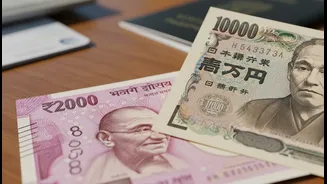
The visa fee is a flat ₹500, whether you are applying for a single-entry or a multiple-entry visa. This fee structure stands in stark contrast to the new charges for other foreign nationals applying in India, who now face fees of ₹8,650 for a single entry and ₹17,350 for a multiple-entry visa. It is important to note that all applicants must pay a mandatory, non-refundable service charge of ₹800 to the visa application centre, VFS Global. Therefore, the minimum cost to secure a visa comes to ₹1,300, plus any optional services like courier delivery.
Putting the Cost in Perspective
To truly appreciate how affordable the Japanese visa is, it helps to compare it with other popular international destinations for Indian tourists. A standard Schengen visa, which grants access to 29 European countries, costs €90 (approximately ₹8,500). When combined with mandatory service charges and travel insurance, the total cost for a Schengen visa often exceeds ₹11,000 per person. Similarly, visa applications for countries like the United Kingdom and the United States involve significantly higher fees. The remarkably low cost for Japan solidifies its position as one of the most budget-friendly destinations for Indians to get visa approval for, making the financial barrier to entry considerably lower. This policy keeps the dream of exploring Tokyo's skyscrapers or Kyoto's historic gardens within easier reach for a wider range of travellers.
A Digital Welcome: The e-Visa Option
Adding to the convenience, Japan introduced an e-Visa system for Indian tourists in April 2024, streamlining the application process for many. This option is available for those seeking a single-entry, short-term visa for tourism purposes, valid for a stay of up to 90 days. The process involves applying through the official Japan Visa Application Centre website managed by VFS Global. Instead of a traditional visa sticker in the passport, successful applicants receive an electronic “visa issuance notice.” Travellers simply need to display this notice on their mobile device at the airport during check-in to prove they have a valid visa. This digital alternative removes some of the logistical hurdles of a conventional visa application, making the journey to Japan even more seamless for eligible travellers.
Your Application Checklist
Whether opting for the e-Visa or the traditional route, all applications for a Japanese visa from India are processed through authorized VFS Global centres. The embassy advises applying up to three months before your intended travel date, but no earlier. While the specific list can vary based on the type of visa, standard documents generally include a valid passport with at least six months of validity, a completed application form, recent passport-sized photographs, and a detailed travel itinerary including flight and hotel bookings. You will also need to provide proof of sufficient funds to cover your trip, which can be demonstrated through recent bank statements and income tax returns. One notable change effective from July 2026 is the discontinuation of the separate transit visa category for all nationalities. Travellers who need to pass through Japan may now need to apply for a short-term visa instead.
The Bigger Picture: Why India is an Exception
The decision to shield Indian applicants from the global fee hike is not random; it is part of a deliberate and long-standing strategy to strengthen bilateral ties and boost tourism. Japan has seen a significant increase in visitors from India, with tourist numbers hitting record highs. In 2025 alone, over 300,000 Indian tourists visited the country. This growing interest is fuelled by better air connectivity and a rising fascination with Japanese culture, from its world-famous cuisine and anime to its serene landscapes. By keeping visa fees low, Japan is actively encouraging this trend and positioning itself as a welcoming, year-round destination for the booming Indian outbound travel market. This special arrangement reflects the deepening relationship between the two nations, which also includes cultural exchanges and business partnerships.