



Choose Your Footwear Wisely
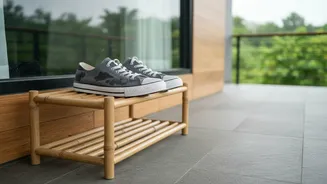
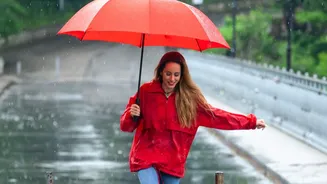
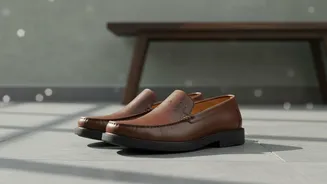
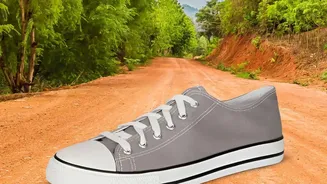
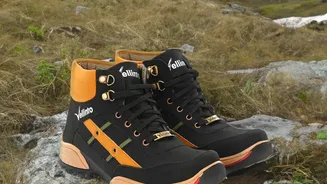
The first line of defence against monsoon misery is choosing the right shoes. Avoid materials like leather, suede, and canvas, which absorb water and take ages to dry, creating a breeding ground for bacteria. Instead, opt for waterproof or quick-drying
materials. Rubber, PVC, and EVA (the material used in many clogs) are excellent choices. Open-toed footwear like rubber-soled sandals and flip-flops allow water to drain away easily and let your feet breathe. If you need to wear closed shoes for work, look for options with breathable linings or waterproof coatings and non-slip soles for a better grip on slick surfaces.
Master the Art of Drying Your Shoes
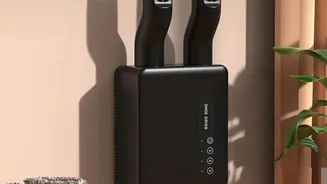
Even with the right footwear, getting caught in a downpour is inevitable. Never leave wet shoes in a closed space to fester. The key to drying them effectively is promoting airflow and absorbing moisture. Start by removing the insoles and loosening the laces to open up the shoe. One of the most effective methods is stuffing them with crumpled newspaper, which is highly absorbent. You may need to replace the newspaper every few hours for heavily soaked shoes. For a faster solution, place your shoes in front of a room fan. Avoid using direct heat sources like hair dryers or placing them in the oven, as this can damage the glue and materials. If you have them, silica gel packets—the kind found in new shoe boxes—are excellent at absorbing moisture.
Banish Odour and Bacteria
Damp shoes often develop a persistent musty smell, which is a sign of bacterial or fungal growth. To combat this, once your shoes are completely dry, you can use several household items. Sprinkling a little baking soda inside and leaving it overnight will help absorb any lingering moisture and neutralise odours. Another trick is to place dry tea bags inside the shoes; they work as natural deodorisers. Keeping your shoes in a well-ventilated area rather than a dark, enclosed shoe rack is crucial to prevent smells from developing in the first place. Some also recommend using disinfectant sprays to kill any lingering microbes.
Prioritise Your Foot Hygiene
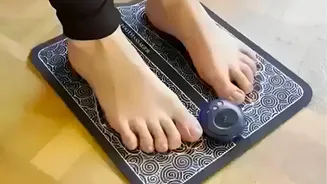
Keeping your shoes dry is only half the battle; your feet need just as much attention to prevent common monsoon ailments like athlete's foot and other fungal infections. As soon as you get home, wash your feet thoroughly with soap and water, paying special attention to the spaces between your toes. After washing, drying them completely is non-negotiable. Use a soft towel and ensure no moisture remains. Applying an antifungal or talcum powder can help absorb sweat and keep feet dry throughout the day. It's also wise to keep your toenails trimmed short to prevent dirt and grime from accumulating.
Develop Smart Monsoon Habits
A few small changes to your daily routine can make a big difference. Rotate your footwear; avoid wearing the same pair of shoes two days in a row to give them ample time to dry out completely. If possible, keep a spare pair of dry socks and simple flip-flops at your workplace to change into. Wearing moisture-wicking socks made of cotton or wool blends can also help draw sweat away from your skin, keeping your feet drier than synthetic materials might. If your feet do get wet, change your socks as soon as you can. This simple act dramatically reduces the time your skin is exposed to damp conditions.