



Understanding the Enemy: What Is Root Rot?
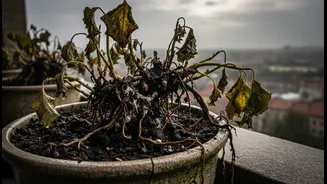
Root rot is a disease that attacks a plant's roots, causing them to decay. It is primarily caused by fungi and bacteria that thrive in overly wet, oxygen-deprived soil. While these pathogens are often dormant in the soil, they multiply rapidly in waterlogged
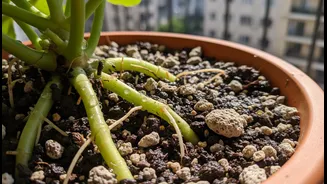
conditions. Healthy roots are typically firm and white or light-coloured; when root rot sets in, they turn brown, black, and mushy. As the roots decay, they can no longer absorb the water and nutrients the plant needs to survive, leading to a slow, often misdiagnosed, decline.
The Monsoon Menace
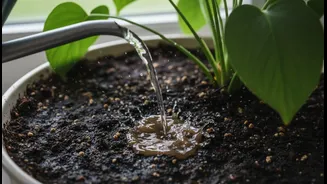
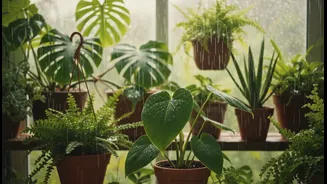
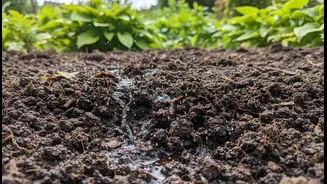
The Indian monsoon creates a perfect storm for root rot. The combination of heavy rainfall, high humidity, and overcast skies means soil in pots stays wetter for longer. Many plant parents, accustomed to a summer watering schedule, may not adjust their routine, leading to unintentional overwatering. Furthermore, the constant moisture in the air reduces the rate of evaporation from the soil. This prolonged dampness suffocates the roots, depriving them of oxygen and creating the ideal anaerobic environment for rot-causing fungi to flourish.
Spotting the Silent Killer
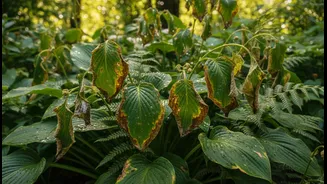
The challenge with root rot is that its early symptoms are subtle and happen below the soil. Above ground, the signs can be confusing. One of the most common signs is leaves turning yellow and wilting, even when the soil is damp. This can be mistaken for underwatering, leading owners to water even more. Other signs include stunted growth, leaf drop, and a foul, swampy, or musty smell coming from the soil. To be certain, you must gently remove the plant from its pot and inspect the roots. If they are dark and slimy instead of firm and white, root rot is the culprit.
Prevention Is the Best Medicine
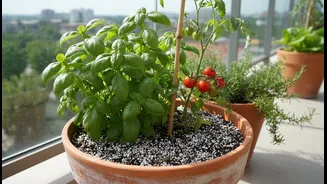
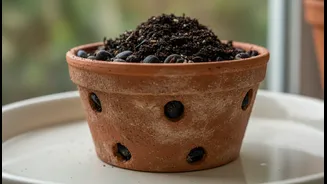
The most effective way to combat root rot is to prevent it. First, adjust your watering schedule. During the monsoon, water only when the top inch or two of the soil feels dry to the touch. Second, ensure your pots have adequate drainage holes. If your decorative pot has no holes, use it as a cover pot and keep the plant in a smaller plastic pot with drainage inside. Also, elevate your pots slightly on bricks or stands to allow excess water to escape and improve airflow. Finally, good air circulation around the plants helps the foliage and soil surface dry out faster, so avoid overcrowding them.
Building a Better Foundation: The Right Soil Mix
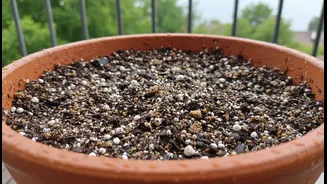
Using the right potting mix is crucial, especially during the rainy season. Heavy garden soil should never be used alone in pots as it compacts and retains too much water. A good monsoon-ready mix for most houseplants in India combines cocopeat for moisture retention without sogginess, compost for nutrients, and a significant portion of a drainage-improving material like perlite or coarse river sand. A common recipe is 50% cocopeat, 20-30% vermicompost, and 20-30% perlite. For succulents, the sand or perlite content should be even higher. This type of mix ensures that even after a heavy shower, water drains freely, allowing roots to breathe.
Plant ER: How to Treat Root Rot
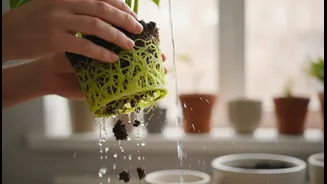
If you've confirmed root rot, you must act fast, but recovery is possible if the disease hasn't consumed the entire root system. Gently remove the plant from its pot and wash away the soil to get a clear look at the roots. Using sterilised scissors or shears, carefully trim away all the brown, mushy, and dead roots, cutting back to healthy, white tissue. If you have to remove a significant portion of the roots, prune a corresponding amount of the foliage—about one-third—to reduce the stress on the remaining roots. Disinfect the pot thoroughly and repot the plant in fresh, well-draining potting mix. Water lightly and place the plant in an area with good indirect light, giving it time to recover.