



The New 'It' Drinks on the Menu
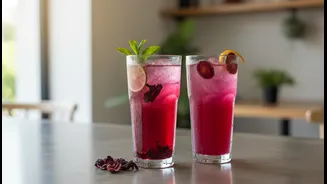
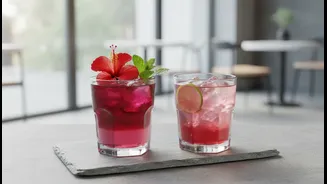
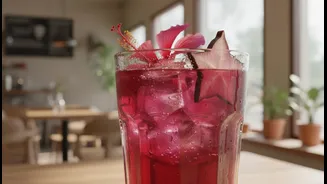
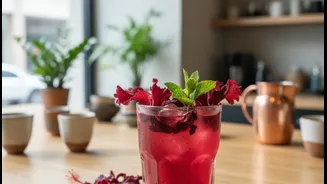
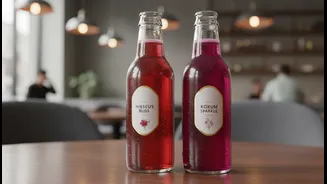
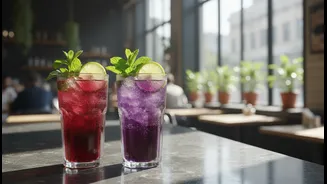
From vibrant pink gin cocktails to tart, fizzy kombuchas and sophisticated non-alcoholic spirits, kokum and hibiscus are suddenly everywhere. Once confined to traditional sherbets and home remedies, these indigenous botanicals are now the hero ingredients
in India's burgeoning premium and artisanal beverage scene. Brands big and small are infusing everything from craft sodas to health-focused functional drinks with these distinctly Indian flavours. This isn't just about a couple of new products; it reflects a significant shift in the country's drinking culture, where consumers are actively seeking out complex, exciting, and authentic tastes. This trend is especially prominent in major metropolitan areas, where a growing number of younger consumers are driving demand for unique, high-quality drinking experiences.
From Ancient Roots to Modern Revival
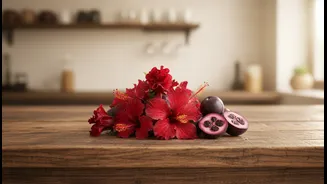
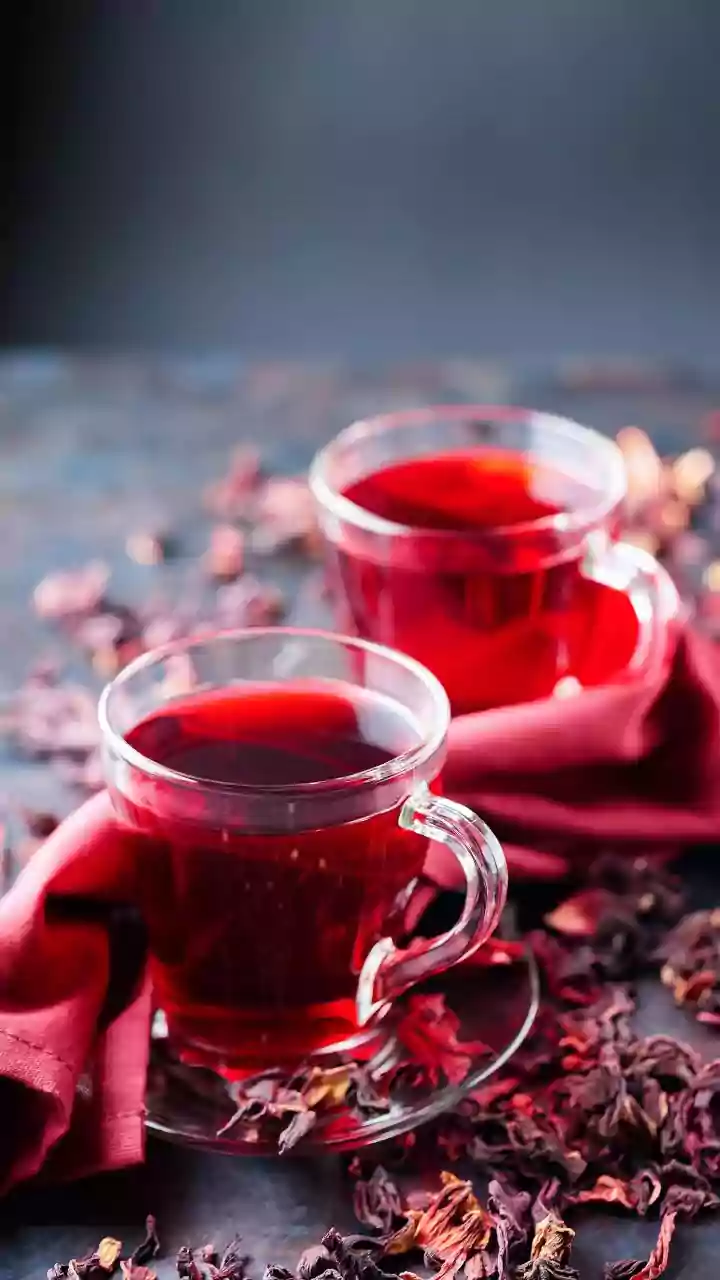
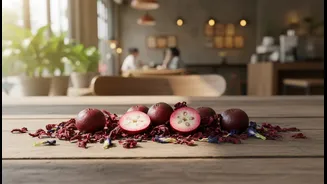
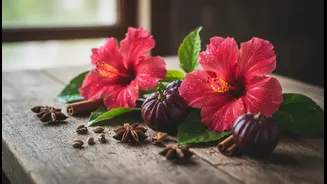
Neither kokum nor hibiscus is new to India. Kokum, or Garcinia indica, a deep purple fruit from the Western Ghats, has been a staple in coastal cuisines for centuries. It's traditionally used as a souring agent and is the star of sol kadhi and kokum sherbet, drinks praised for their digestive and cooling properties. Similarly, the vibrant hibiscus flower has long been used in Ayurvedic traditions and household remedies, often brewed into a tea (known as 'jaswand' in some regions) valued for its health benefits. What's new is their migration from the family kitchen to the commercial production line, where they are being presented in modern, convenient, and premium formats.
A Thirst for Health and Wellness
A major driver behind this trend is the growing health consciousness among Indian consumers. There is a clear move away from sugary, mass-produced soft drinks towards options perceived as healthier and more natural. The non-alcoholic beverage market in India is expected to grow significantly, with functional beverages being the fastest-growing segment. Kokum is rich in antioxidants and is traditionally known to aid digestion and act as a natural coolant. Hibiscus is packed with Vitamin C and is linked to benefits like managing blood pressure and supporting heart health. As consumers increasingly read labels and seek drinks that do more than just quench thirst, the inherent wellness credentials of these ingredients make them incredibly appealing.
The Rise of the 'Glocal' Palate
This trend is also a perfect example of 'glocalization'—blending global formats with local flavours. Today's Indian consumer, particularly millennials and Gen Z, has a global outlook but a palate that still craves familiar tastes. They want the sophistication of a craft cocktail, the probiotic benefits of a kombucha, or the social ritual of a non-alcoholic beer, but they also want it to taste like 'home'. By incorporating ingredients like kokum, hibiscus, jamun, and bael into these global beverage formats, brands are creating products that are both aspirational and deeply rooted in Indian culture. This convergence of modern and traditional is reshaping menus and retail shelves across the country.
The Business of Botanicals
For beverage companies, this trend is a golden opportunity. The demand for premium, artisanal products is surging, with consumers willing to pay more for quality, craft, and a compelling story. Using local botanicals allows brands to differentiate themselves in a crowded market and build a narrative around authenticity and regional heritage. This shift has enabled a wave of homegrown brands to compete with international labels by offering something unique. From small-batch producers creating handcrafted syrups to larger companies launching ready-to-drink versions of traditional beverages, the market is responding with innovation, expanding choice and strengthening regional relevance.