






The Search for Authentic Experiences
For a growing number of Indian tourists, the appeal of mainstream destinations has worn thin. After ticking off the Taj Mahal and Goa's popular beaches, seasoned travellers are now looking for something more: authentic cultural immersion and a genuine
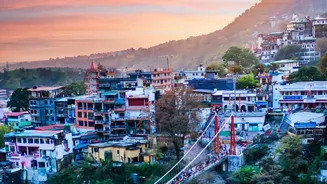
connection to a place. This shift is driven by a desire to escape the crowds and the predictable nature of commercial tourism. Instead of fighting for a photo at a packed viewpoint, they'd rather explore a quiet village, learn about local traditions, or simply enjoy the peace of nature. This search for authenticity is leading people to previously overlooked places like the Tirthan Valley in Himachal Pradesh or the heritage towns of Maheshwar. The focus is no longer just on seeing a place, but on experiencing it.
Comfort Is No Longer a City Monopoly
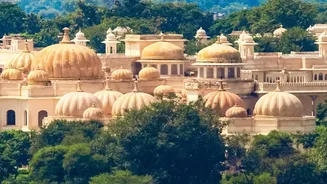
The move away from cities doesn't mean a move away from modern comforts. In fact, a key enabler of this trend is the boom in high-quality accommodation in rural and remote areas. Quirky and comfortable boutique hotels, luxury eco-lodges, renovated heritage havelis, and well-appointed homestays are now common in offbeat locations. These properties offer a different kind of luxury—one that is personal, experiential, and rooted in the local culture. They provide the comfort of a five-star hotel but with the charm and intimacy of a private home. As a result, travellers can enjoy the serenity of the mountains or the countryside without sacrificing amenities like reliable Wi-Fi, comfortable beds, and gourmet food.
The 'Work from Anywhere' Revolution
The widespread adoption of remote work has fundamentally changed how and when people travel. No longer restricted to short annual leaves, professionals can now pack their laptops and work from a scenic mountain-view cafe or a beachside villa for weeks or even months at a time. This has given rise to the 'workation' or digital nomad trend within India, with an estimated 4.8 million Indians now working remotely full-time. Destinations that offer a blend of good connectivity, a peaceful environment, and engaging local experiences are thriving. This allows for a deeper, slower form of travel, where the lines between working, living, and vacationing begin to blur.
Social Media and the 'Anti-Tourist' Mindset
While social media once fueled visits to iconic landmarks, it now also drives the hunt for unique, undiscovered locations. Travellers are eager to post about a 'hidden gem' that their friends haven't seen, positioning themselves as adventurers and trendsetters. This has created a generation of 'anti-tourists'—travellers who actively seek to avoid crowds and popular spots. According to one report, a significant percentage of travellers want to experience destinations before they become too popular. This desire for exclusivity, combined with the visual appeal of pristine, untouched landscapes, makes offbeat destinations incredibly attractive in the age of Instagram.
A New Definition of Luxury and Sustainability
The very definition of luxury travel in India is evolving. It's less about opulence and more about purposeful, meaningful experiences. Affluent travellers are now willing to pay a premium for personalization, privacy, and connection to culture and nature. This aligns with a growing consciousness around sustainable travel. Many travellers are choosing offbeat locations because it helps distribute tourism revenue more evenly and reduces the environmental pressure on popular hotspots. Staying in locally-run homestays and eco-lodges is seen as a way to support local communities directly. Reports show that a vast majority of Indian travellers intend to travel more sustainably, making these responsible choices a key driver of their destination planning.