




Turmeric and Ginger: The Immunity Power Duo
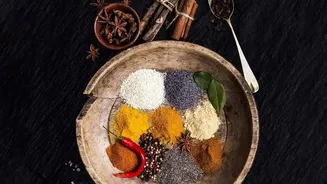
It’s no secret that turmeric (haldi) and ginger (adrak) are staples in Indian kitchens, but they become especially important during the monsoon. Nutritionists recommend them for their powerful anti-inflammatory and antimicrobial properties. Turmeric contains
curcumin, a compound known to regulate the immune system, while ginger's active ingredient, gingerol, helps soothe the digestive system and fight infections. A simple combination of turmeric, black pepper, and ghee can enhance the absorption of curcumin, creating a potent immunity shield. Adding fresh ginger and turmeric to dals, soups, or herbal teas is an easy way to incorporate these protective spices into your daily meals.
Seasonal Gourds: Light and Easy to Digest
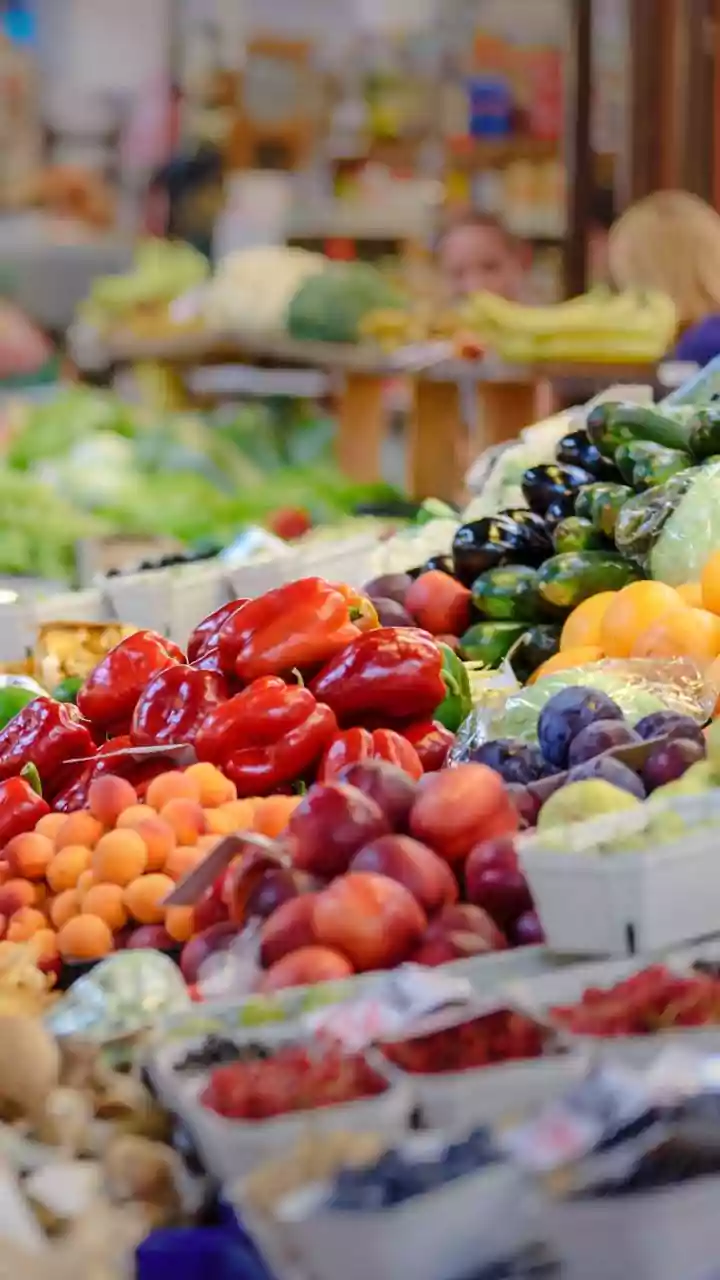
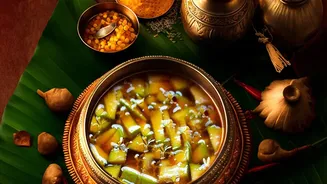
Heavy, greasy foods can feel uncomfortable during the monsoon when digestion often slows down. This is why experts suggest turning to seasonal vegetables like bottle gourd (lauki), bitter gourd (karela), and ridge gourd. These vegetables are high in water content, rich in fibre, and incredibly easy on the digestive system. While some people avoid them, gourds are excellent for hydration and provide essential nutrients without taxing your gut. They are best eaten well-cooked in the form of simple sabzis or added to soups and dals to reduce the risk of contamination, which is higher with raw foods during this season.
Jamun and Pomegranate: The Antioxidant-Rich Fruits
While it's wise to be cautious with pre-cut fruits from street vendors, certain whole fruits are highly recommended. Jamun (Indian blackberry) is a quintessential monsoon fruit celebrated for its rich content of vitamin C, iron, and antioxidants, which support digestion and immunity. Similarly, pomegranates are an excellent choice for this season. They are packed with vitamins and antioxidants that help reduce inflammation and bolster the body’s natural defenses against common monsoon illnesses. Both fruits are not only delicious but also provide a safe and healthy way to get your dose of essential nutrients.
Probiotics: Support Your Gut Health
A healthy gut is the foundation of a strong immune system, a fact that becomes even more critical during the monsoon. Nutritionists advise including probiotic-rich foods in your diet. Homemade curd (dahi) and buttermilk (chaas) are excellent sources of good bacteria that help maintain gut health and prevent digestive issues. According to Ayurvedic principles and modern dietetics, it's often recommended to have curd during lunch and opt for buttermilk, which is lighter, to aid digestion. These foods help regulate your digestive system, which is often more vulnerable during the rainy months.
Moong Dal: The Ultimate Comfort Food
Moong dal is often highlighted by nutritionists as one of the most digestible lentils, making it perfect for the monsoon. It is light on the stomach and provides high-quality protein, which is essential for building and repairing body tissues and supporting immunity. A simple, warm bowl of khichdi made from rice and moong dal is a complete and nourishing meal that doesn't strain the digestive system. This traditional dish, gently spiced with turmeric and ginger, embodies the kind of warm, freshly cooked meal that experts recommend to stay healthy and comfortable throughout the rainy season.
Nuts and Seeds: A Handful of Nutrients
A small handful of nuts and seeds can provide a significant nutritional boost during the monsoon. Almonds, walnuts, and seeds like pumpkin, sunflower, and flaxseed are packed with healthy fats, vitamin E, zinc, and protein. These nutrients are all crucial for maintaining a robust immune system. Zinc, found in pumpkin seeds, is particularly important as it helps the body build and activate its defenses. They also make for a satisfying and healthy snack, reducing the temptation to reach for fried and processed foods that are best avoided during this season.