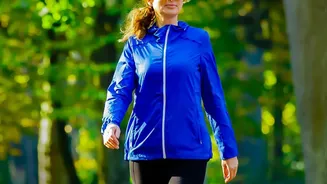








What Exactly is 'Lymphatic Walking'?
At its core, lymphatic walking is not a radical new form of exercise. It is essentially regular walking performed with a specific intention and a few added points of focus. Proponents and social media influencers often highlight cues like maintaining
an upright posture, engaging in deep diaphragmatic breathing (belly breathing), and allowing a full, natural arm swing. The pace is typically steady and rhythmic, more focused on continuous movement than on high intensity. The idea is that these small adjustments help to better stimulate the body's lymphatic system. While videos may frame it as a special "challenge" or "plan," the underlying components are familiar principles of good walking form.
A Quick Tour of Your Lymphatic System
To understand the trend, you first need to understand the system it claims to target. Think of your lymphatic system as your body's built-in cleanup and recycling network. It’s a series of vessels and nodes that transports a fluid called lymph, which contains waste products, toxins, and immune cells. Unlike your cardiovascular system, which has the heart as a central pump, the lymphatic system is passive. It relies on the contraction of your muscles, body movement, and deep breathing to push the fluid along. When this system becomes stagnant, it can contribute to feelings of puffiness, sluggishness, and swelling. This is where the connection to exercise becomes clear.
The Claims vs. The Scientific Reality
The claims surrounding lymphatic walking range from feeling less bloated and puffy to more dramatic assertions about flushing toxins and promoting weight loss. The good news is that the core principle is sound: walking is genuinely fantastic for your lymphatic system. Any exercise that contracts your muscles helps to pump lymph fluid through your body. Research shows that physical activity significantly increases lymph flow compared to being at rest. The disconnect appears when specific, magical benefits are attributed to the "lymphatic walking" technique itself, separate from regular walking. There is currently no scientific research that proves the specific postural and breathing cues of lymphatic walking are superior to a normal, brisk walk for lymphatic function. The feeling of being lighter or less bloated after a walk is often due to a temporary shift in body fluid, not a permanent loss of fat or a 'detox' in the way it's often marketed.
Do You Need a Special Technique?
While the label "lymphatic walking" might be new, the advice is not. Encouraging good posture, a full arm swing, and deep breathing are hallmarks of efficient walking, often taught by physical therapists and fitness experts to improve overall movement mechanics and endurance. Any form of walking engages the calf and leg muscles, which act as a powerful pump for the lymphatic system. Therefore, you don't necessarily need a special 'lymphatic' technique to reap the rewards. The real benefit comes from the simple act of moving consistently. What the trend does well is bring a mindful awareness to the act of walking, which can encourage people to move more and with better form—a definite positive.
The Verdict: A Healthy Habit, Rebranded
Lymphatic walking is a clever rebranding of an incredibly healthy and well-established habit: walking with purpose. The hype around it successfully highlights a vital but often-overlooked bodily system. While it's not a magical cure for weight loss or a 'detox' button, the principles it promotes—consistent movement, good posture, and mindful breathing—are undeniably beneficial for your overall health, including your lymphatic system. The trend’s greatest success may be in motivating more people to get up and move, which is a significant win. The key is to focus on consistency rather than getting caught up in the belief that you are performing a secret, bio-hacking technique.