



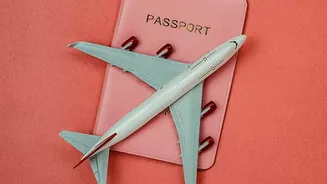

The Siren Song of a Sale Fare
We’ve all been there. A notification flashes on our screen: “Mumbai to Paris, flights from ₹45,000!” Our hearts race. We imagine ourselves sipping coffee at a Parisian café, and for a moment, the dream feels within reach. For decades, the Indian traveller’s
mindset has been conditioned to see the flight deal as the ultimate key—the first and most important piece of the international travel puzzle. It’s a tangible, exciting saving that makes a foreign trip feel possible. Airlines and travel aggregators have built entire business models around this psychology, knowing that a discounted fare can trigger an impulse that a full-priced ticket never could. But this focus, while understandable, often masks a much larger and more formidable hurdle.
The Great Wall of Visas
After the euphoria of booking a cheap flight fades, reality sets in for the Indian passport holder. It’s called the visa process. This bureaucratic gauntlet involves a mountain of paperwork, from bank statements and tax returns to hotel bookings and a detailed, often inflexible, itinerary. Add to that the high, non-refundable application fees, the long waits for appointments, and the gnawing uncertainty of whether a visa will even be granted. A cheap ticket to Europe is worthless if your Schengen visa application is rejected after a month-long wait. The true cost of a trip isn't just the flight; it’s the financial cost of the application, the time invested, and the emotional toll of the uncertainty. This process fundamentally limits our spontaneity and can turn a dream holiday into a stressful, high-stakes gamble.
When a New Door Opens
This is why shifts in visa policies are the real headlines we should be watching. Recently, countries like Malaysia, Kenya, and Sri Lanka have offered visa-free entry to Indian citizens. Thailand, a perennial favourite, has also maintained a visa-free policy, recently adjusting the stay period to 30 days. These changes do more than just save us an application fee; they grant us freedom and respect as travellers. A visa-free announcement is a declaration that our passport is trusted. It transforms a destination from a complicated, long-term project into a spontaneous possibility. The number of countries accessible to Indian passport holders is growing, with an estimated 57 to 62 destinations offering visa-free or visa-on-arrival access as of early 2026. This growing list is the most significant travel deal we could ask for.
The Shifting Rules of the Game
Visa policies are dynamic. The European Union, for instance, has introduced a 'cascade' system for Schengen visas. This allows frequent Indian travellers who have lawfully used previous visas to become eligible for two-year and then five-year multiple-entry visas. This is a game-changer, effectively offering visa-free equivalent access to 27 countries for those who build a travel history. Conversely, other policies can add new hurdles. The United States, for example, has recently implemented rules that place fixed time limits on student visas, impacting thousands of Indians and making the process more rigid. These policy shifts, both positive and negative, have a far more profound and lasting impact on our ability to travel, study, or work abroad than any temporary flight sale.
A Smarter Way to Plan
Instead of letting flight deals dictate our travel plans, a savvier approach is to let visa accessibility guide our choices. By prioritising destinations that welcome Indian tourists with visa-free policies, we reclaim our time, money, and peace of mind. Planning a trip to Malaysia, Mauritius, or the Maldives involves a simple flight booking, not a three-month application ordeal. This shift in perspective allows for more travel, less stress, and a more enjoyable experience from start to finish. A cheap flight to a country with a difficult visa process is a gamble; a full-priced flight to a visa-free country is a guaranteed adventure. The choice, increasingly, is ours to make.