

Look inside a modern Indian kitchen, and you might see something surprising: grains that fed our ancestors for millennia are making a comeback. Once sidelined, millets and other ancient grains are returning to the plates of young, urban consumers. Why
now?
From 'Poor Man's Food' to Modern Superfood
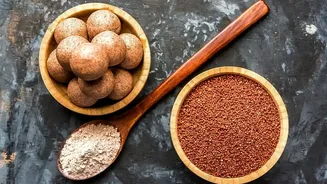
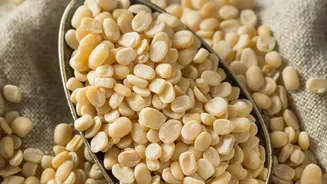
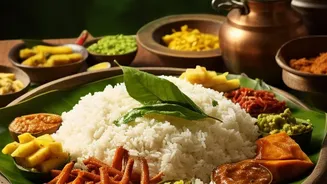
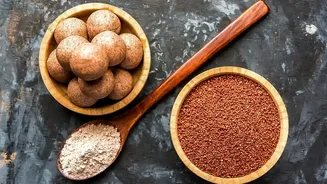
For generations, millets like jowar, bajra, and ragi were staples across India, valued for their hardiness and nutrition. However, the Green Revolution in the mid-20th century shifted agricultural focus to high-yielding varieties of wheat and rice, which gradually pushed these indigenous grains to the margins. They became unfairly branded as 'coarse grains' or 'poor man's food', fading from urban menus. Today, that perception has completely flipped. Thanks to a global wellness movement and initiatives like the UN's 'International Year of Millets', these grains are being celebrated as 'superfoods'. Young consumers, armed with nutritional knowledge from the internet, now see millets not as a compromise, but as a premium choice for a healthier lifestyle.
The Unbeatable Health Advantage
The primary driver for this revival is health. Urban India is grappling with a rise in lifestyle diseases like diabetes, obesity, and heart conditions. Millets offer a powerful nutritional solution. They are naturally gluten-free, making them ideal for those with sensitivities. Packed with protein, fibre, and essential minerals like iron, calcium, and magnesium, they outperform polished rice and wheat on almost every metric. Ragi, for instance, has significantly more calcium than rice. Their low glycemic index helps manage blood sugar levels by ensuring a slow release of energy, preventing the spikes associated with refined grains. This makes them perfect for weight management and sustained energy, a key concern for busy city dwellers.
A Sustainable Choice for a Conscious Generation
For younger, environmentally-conscious consumers, what's on their plate is also a statement about the planet. Millets are climate-resilient 'miracle grains'. They are often called 'climate warriors' because they require a fraction of the water needed for rice and wheat—some estimates suggest 70% less water than rice. They are hardy crops that can grow in poor soil and arid conditions with minimal need for chemical fertilizers or pesticides. This reduces agriculture's environmental footprint, prevents soil degradation, and offers a more stable income for small-scale farmers in a changing climate. Choosing millets is a tangible way for urban youth to support sustainable farming and food security.
The Cool Factor: Culinary Innovation
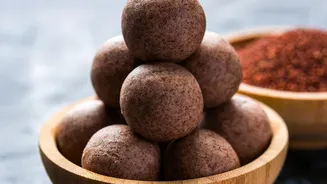
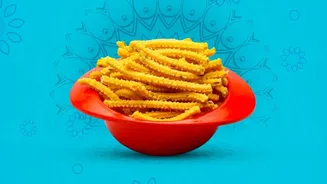
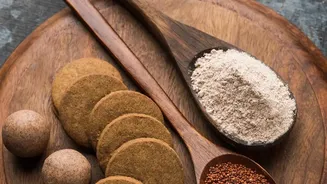
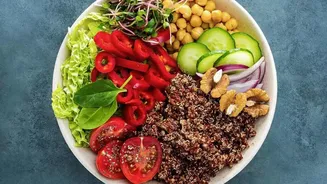
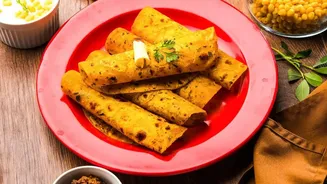
Ancient grains wouldn't be trending without a modern makeover. The biggest shift has been in their preparation and marketing. A new wave of chefs and food startups are making millets cool, convenient, and delicious. Gone are the days when millets only meant simple porridge or rotis. Today, you can find everything from ragi pancakes and jowar puffs to foxtail millet salads and barnyard millet phirni. Brands like Slurrp Farm, Taru Naturals, and Mad Over Millets are creating ready-to_cook mixes, snacks, and even desserts that fit seamlessly into a fast_paced urban life. This culinary innovation, amplified by food bloggers and social media, has made experimenting with ancient grains exciting and accessible.
A Return to Cultural Roots
Beyond health and sustainability, the return to ancient grains is also a cultural phenomenon. For many young Indians, it represents a desire to reconnect with their culinary heritage. In a world of globalized fast food, choosing to cook with ingredients that have been part of regional Indian diets for centuries is a powerful act of identity. It’s a rejection of a homogenized food culture and an embrace of the diverse, local food traditions that make up India. This revival is not about going back in time, but about bringing the wisdom of the past into the modern kitchen to create a food future that is healthier, more sustainable, and distinctly Indian.