


The Urban Green-Thumb Revolution
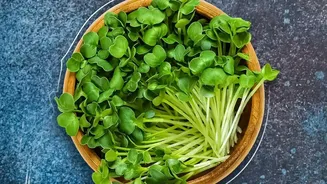
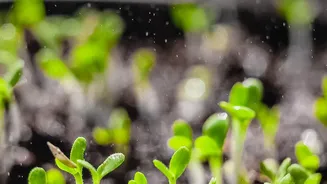
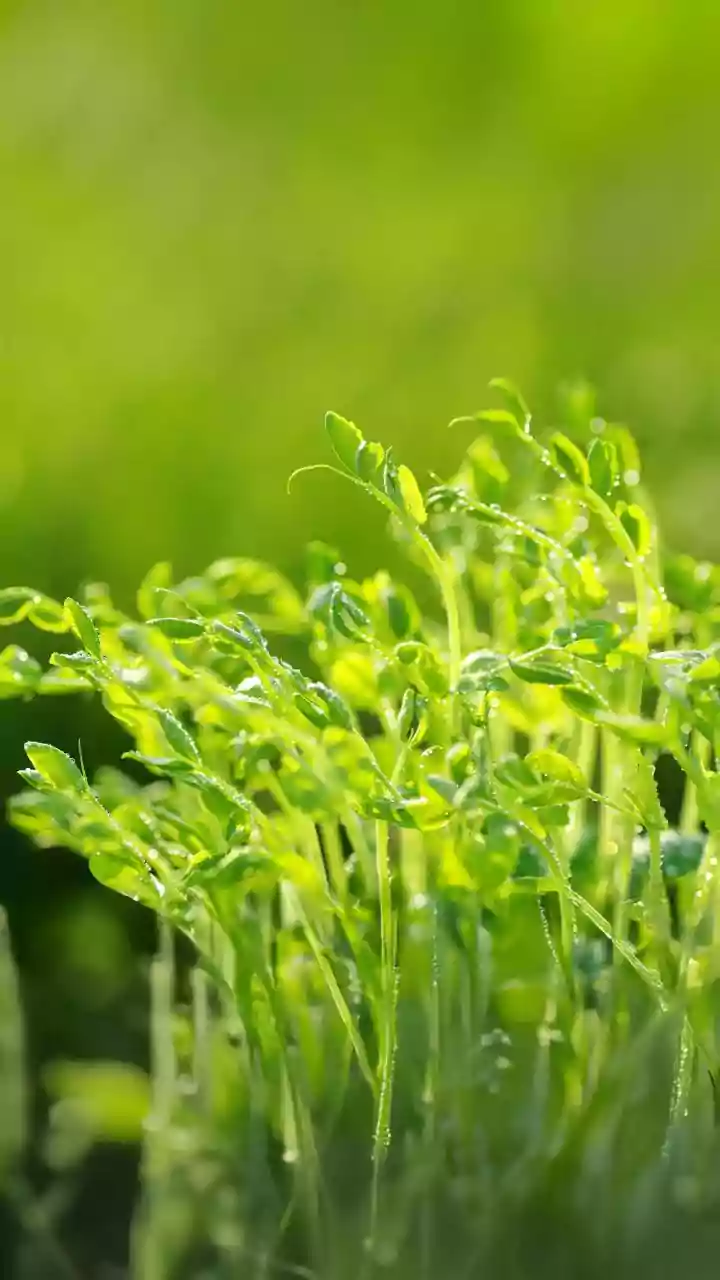
The desire for fresh, healthy, and sustainably grown food has met the reality of compact urban living, and the solution is brilliantly simple: microgreens. These are not sprouts, but rather the very young seedlings of edible vegetables and herbs, harvested
just after their first true leaves appear. Packed with flavour and nutrients, they are the perfect crop for city dwellers. Specialised harvesting trays, designed to be compact and efficient, allow anyone to cultivate these tiny greens on a sunny windowsill, turning a small, unused space into a productive mini-farm. This trend taps into a growing desire to connect with our food source, reduce food miles, and add a touch of living greenery to our modern homes.
More Than Just a Pretty Garnish
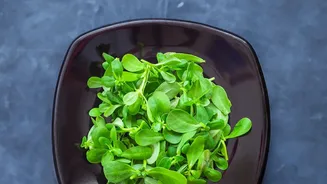
Don't let their small size fool you; microgreens are a nutritional powerhouse. Research has shown that they can contain significantly higher concentrations of vitamins and minerals—sometimes up to 40 times more—than their fully grown counterparts. These tiny plants are rich in vitamins C, E, and K, along with essential minerals like potassium, iron, and zinc. They are also loaded with antioxidants, which help protect the body from disease. This means that adding a handful of freshly harvested microgreens to your salad, sandwich, or smoothie provides a concentrated boost of nutrients that supports everything from a healthy immune system to radiant skin.
Your Windowsill, Your Personal Farm
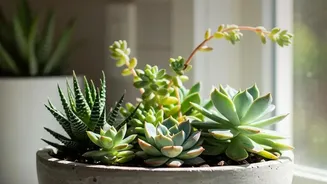
The magic of this indoor gardening movement lies in the equipment: simple, reusable, and perfectly suited for small spaces. Windowsill microgreen trays are typically shallow containers, often made of food-grade plastic, designed for a clean and straightforward growing process. Many come as a two-part system: an inner tray with drainage holes for the growing medium and seeds, and a solid outer tray to catch excess water, preventing messes on your windowsill. This setup makes watering from the bottom easy, which promotes healthy root growth. The compact size means they fit perfectly in the narrow space behind your window, capturing the sunlight your tiny crops need to thrive.
Getting Started Is Easier Than You Think
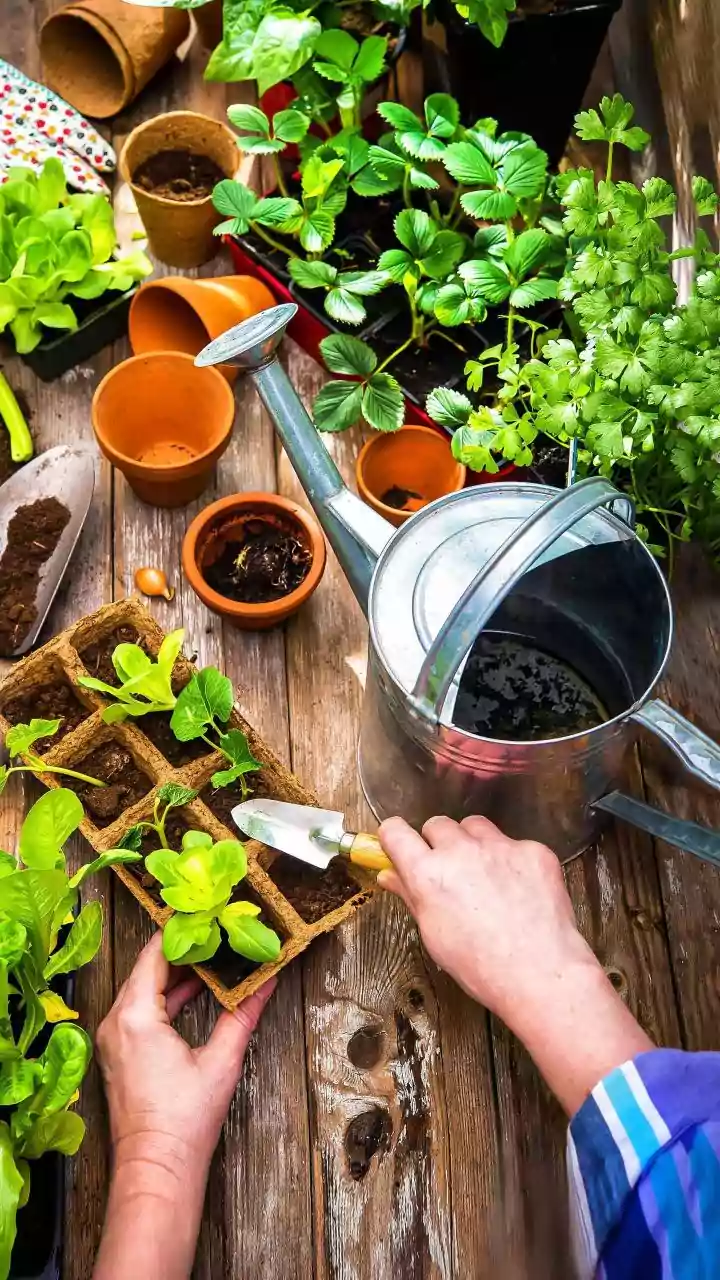
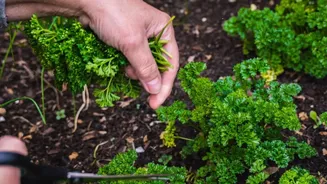
Embarking on your microgreen journey requires minimal investment and no prior gardening expertise. You'll need a harvesting tray, a growing medium (like potting soil or a coconut coir mat), and your choice of seeds. The process is straightforward: dampen your growing medium and spread it evenly in the tray. Sprinkle your seeds densely across the surface—they should be close but not overlapping. Lightly cover with a thin layer of soil, mist with water, and place the tray in a sunny spot. A south-facing window is ideal. Keep the medium consistently moist, and within 7 to 21 days, depending on the variety, you’ll be ready to harvest your first crop with a pair of scissors.
Five Fail-Proof Microgreens for Beginners
Choosing the right seeds can make your first growing experience a guaranteed success. For beginners, it's best to start with varieties that are forgiving and fast-growing. Radish microgreens are a top choice; they grow incredibly quickly, often ready in under 10 days, and have a pleasant, spicy kick. Mustard is another fast grower with a zesty flavour. Pea shoots are satisfyingly crunchy and sweet, and they grow well in windowsill conditions. Broccoli microgreens are famously nutrient-dense and easy to manage. Finally, for something you might already have in your kitchen, try growing fenugreek (methi) or coriander; both adapt well to tray cultivation and offer fresh, familiar flavours.
A Harvest of Wellbeing
Beyond the plate, indoor gardening offers profound benefits for mental health. The simple act of nurturing a plant from seed to harvest can reduce stress, improve your mood, and foster a sense of accomplishment. Studies have shown that interacting with indoor plants can lower levels of the stress hormone cortisol, helping you feel calmer and more centered. In the concrete-dominated landscape of a modern metropolis, having a small patch of green to tend to provides a vital connection to nature. It encourages mindfulness, pulling your attention away from screens and into the tangible, rewarding process of watching something grow.